
RSPB Bird Feeder Cleaning Kit
Buy everything you need to keep your bird feeders clean together in a pack, for £9.
Find top tips, and a step-by-step bird feeder cleaning guide to help protect garden birds in your green space.

Some of our garden birds have been hit hard by the spread of disease, landing them in serious trouble.
Take the Greenfinch – its wheezing song was once a common sound in gardens and green spaces around the UK. But, over the past 30 years, their population has plummeted by almost two thirds. This little green finch is no longer Green-listed, and instead, now finds itself on the Birds of Conservation Concern’s Red List.
Trichomonosis: it’s a disease which caused staggering declines in some of our most precious species. Think of it like a deadly, highly contagious throat infection for birds.
It spreads quickly when sick birds pass the disease to other birds in places where they can share food and water. Just one infected bird can turn your high traffic feeder into a parasite hotspot.
By following these tips, we hope we can help to reduce the spread of trichomonosis together and support our garden birds to thrive.
Buy everything you need to keep your bird feeders clean together in a pack, for £9.
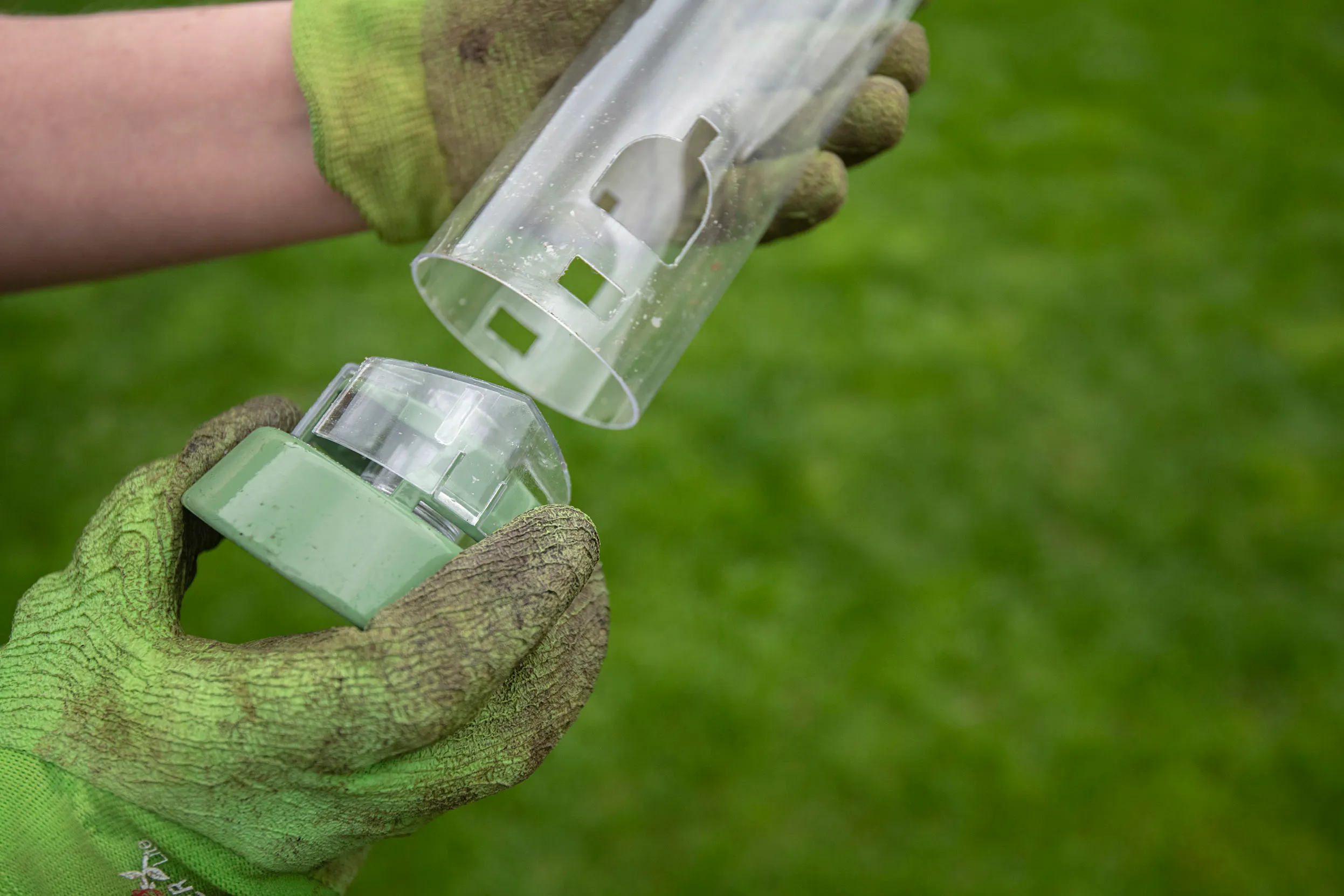
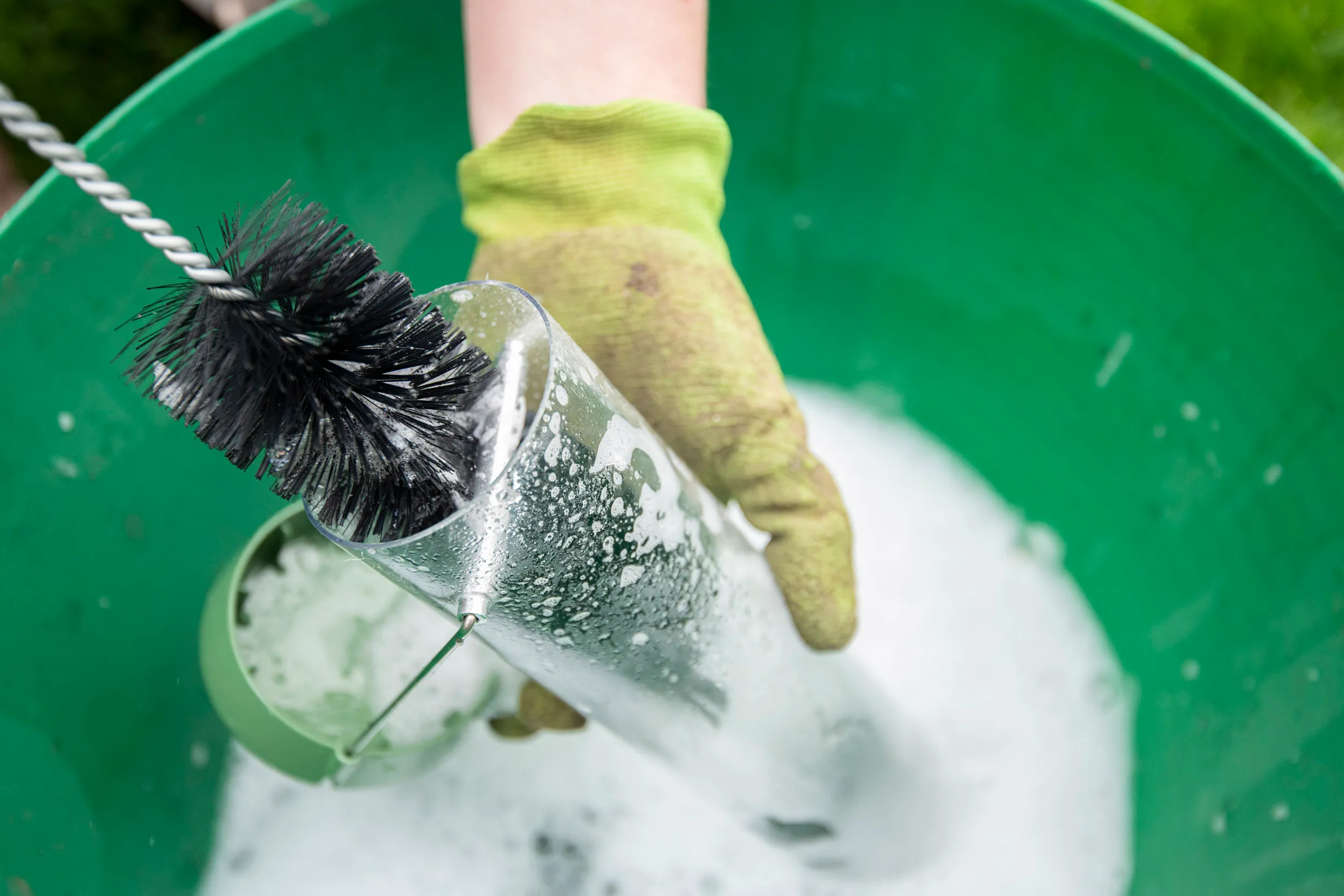
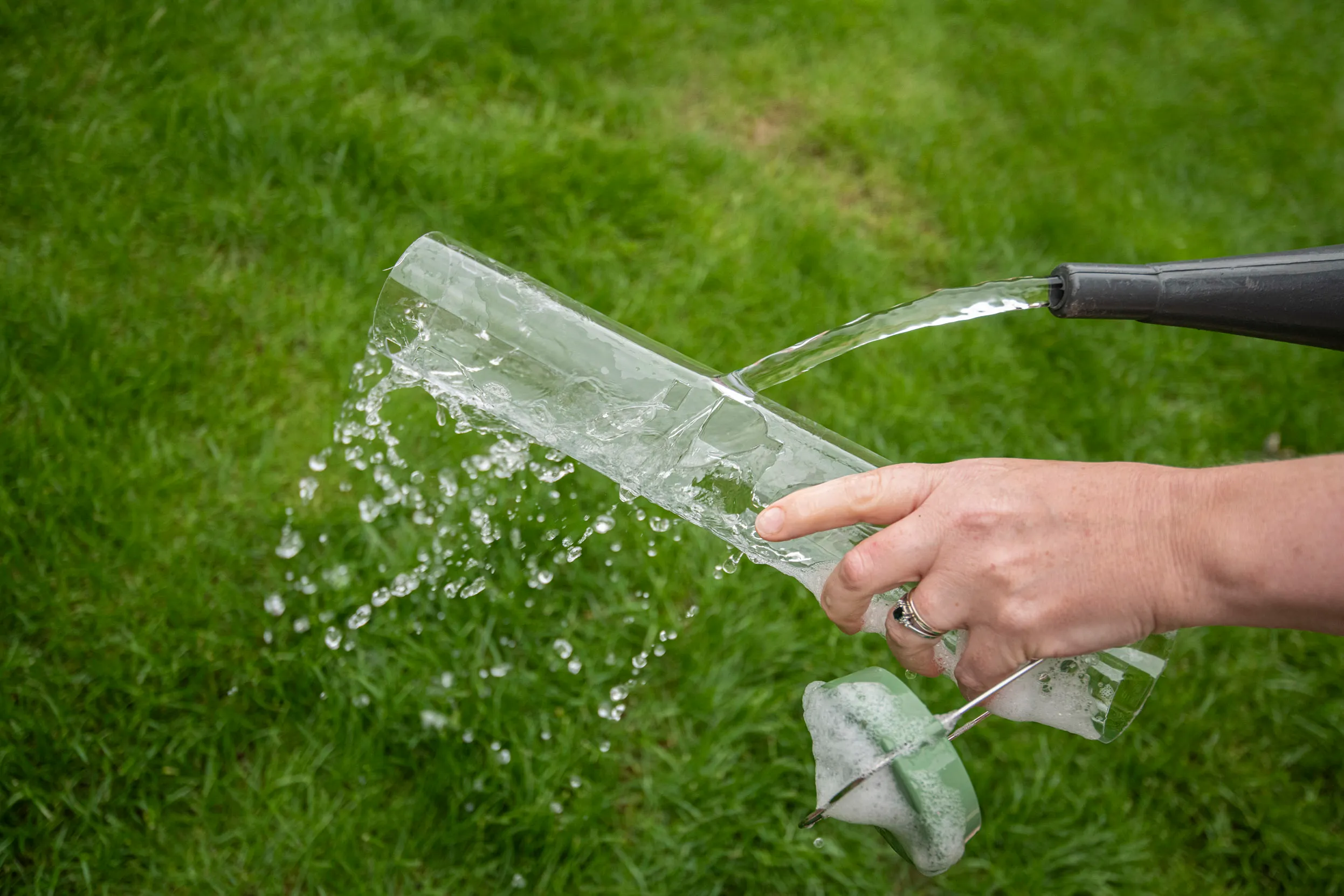
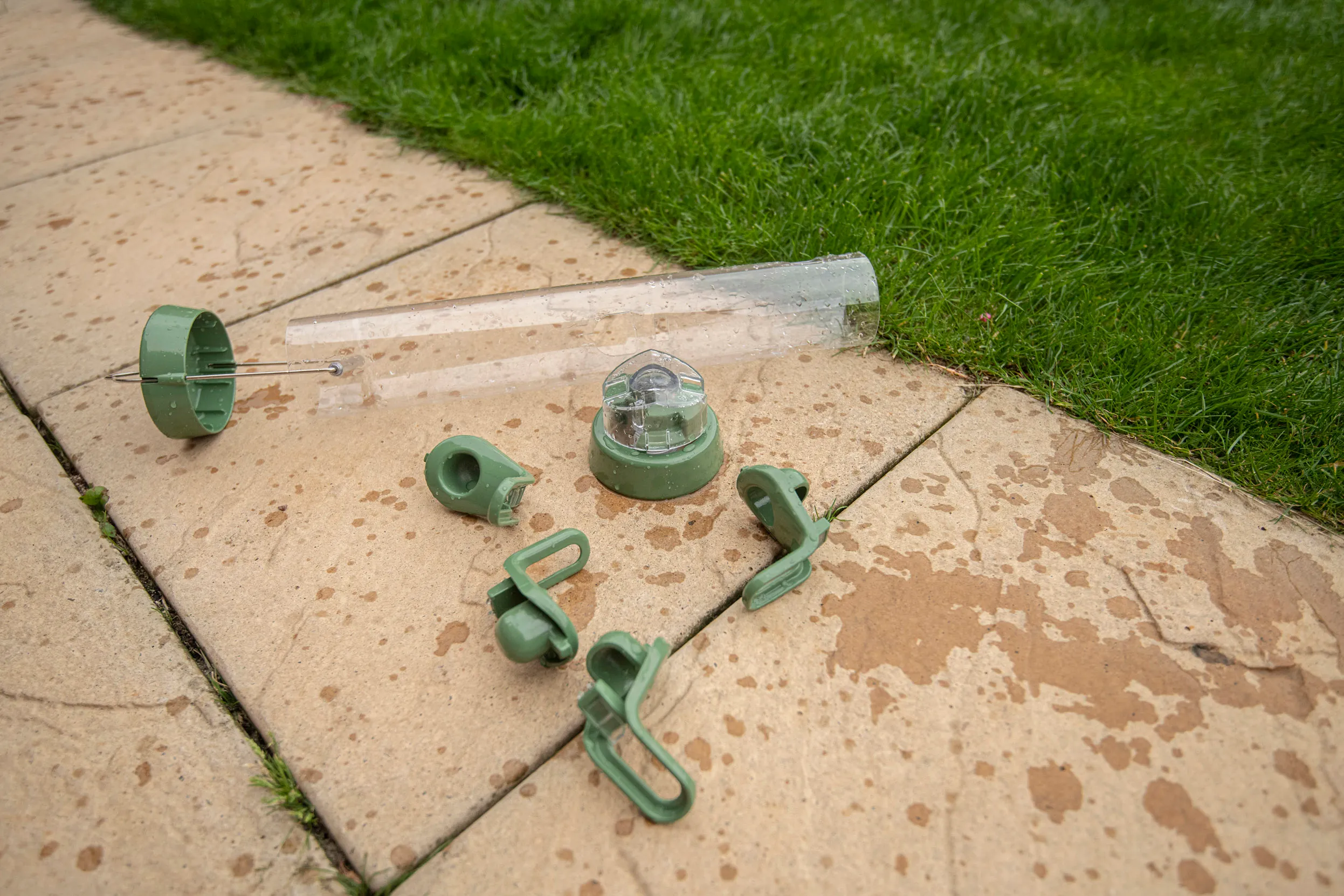
It’s best to give the feeders and baths a thorough clean every week.
Unless you have lots of feeders, no more than 15 minutes.
We recommend using an animal safe disinfectant but a weak solution of domestic bleach (5% sodium hypochlorite) can be used as an alternative.
Yes, cleaning any space where birds congregate will help them stay healthy. Ideally, clean water should be provided every day. By replacing the water in bird baths with fresh water daily, you can prevent mosquito larvae developing. This is an important step towards reducing the risk of spreading Usutu virus.
If you think the birds have been affected by disease, it is best to stop feeding for at least three weeks and empty any bird baths. Only start feeding again if you are no longer seeing birds with any signs of disease.
Treatment for wild birds is rarely an appropriate action and often it may be in the bird’s interests to be left in the wild.
Please report sickness or death of any garden wildlife to the Garden Wildlife Health (GWH) project. This is a collaborative project between the Zoological Society of London (ZSL), British Trust for Ornithology (BTO), Froglife and the Royal Society for the Protection of Birds (RSPB), that aims to monitor the health of, and identify disease threats to, British wildlife.

Find out more about some of the most pressing threats affecting wild birds and how you can help.


