
News
We're taking action for nature at COP17 to get things back on track
The nature crisis is global and needs global action – we're demanding governments deliver change.
16th Oct 2026
Since 2005, the RSPB and Natural England have worked together to understand bird population declines and find ways to restore nearly 50 species.
5 min read
2025 marks the 20-year anniversary of the Action for Birds in England (AfBiE) partnership between the RSPB and Natural England. This partnership, and the individual projects that have stemmed from it, have contributed to researching the causes of population declines in nearly 50 bird species in England. It has also helped to identify any possible measures that can be undertaken in restoring them.
The AfBiE collaboration between RSPB and Natural England has carried out research, management trials and species recovery projects, including conservation translocations to aid the population recovery of several threatened bird species in England.

.jpg)


We’ve picked out just a few examples to demonstrate how valuable this partnership working has been and where it’s made a massive difference to restoring some of England’s most threatened bird species.
Bitterns, a secretive species once threatened with extinction as a breeding species in the UK, have made a fabulous comeback. Thanks to extensive research on Bittern habitat requirements the 11 remaining booming males on just seven sites in 1997 has now risen to 283 booming males, including 141 booming males on 38 RSPB reserves.

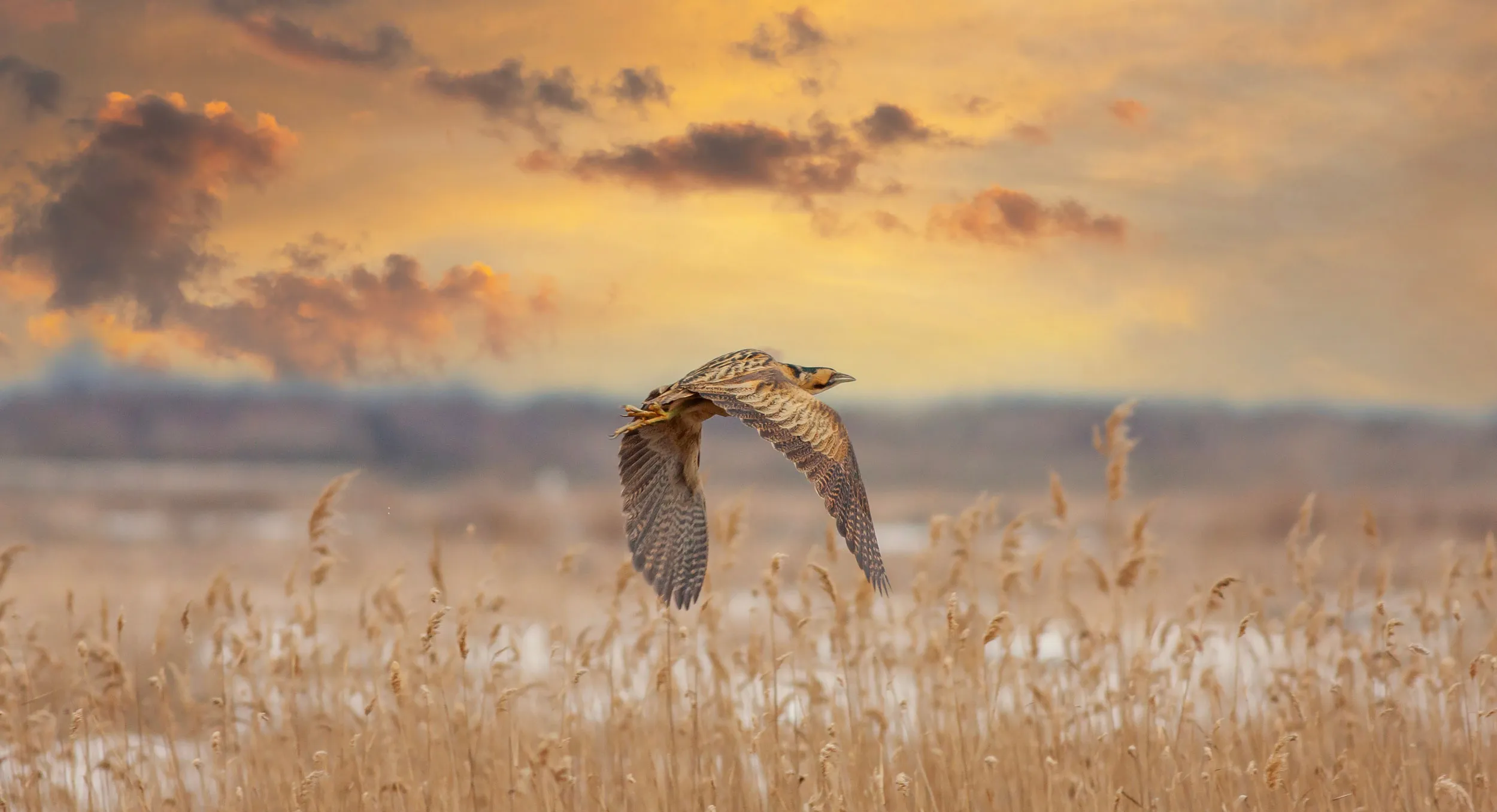
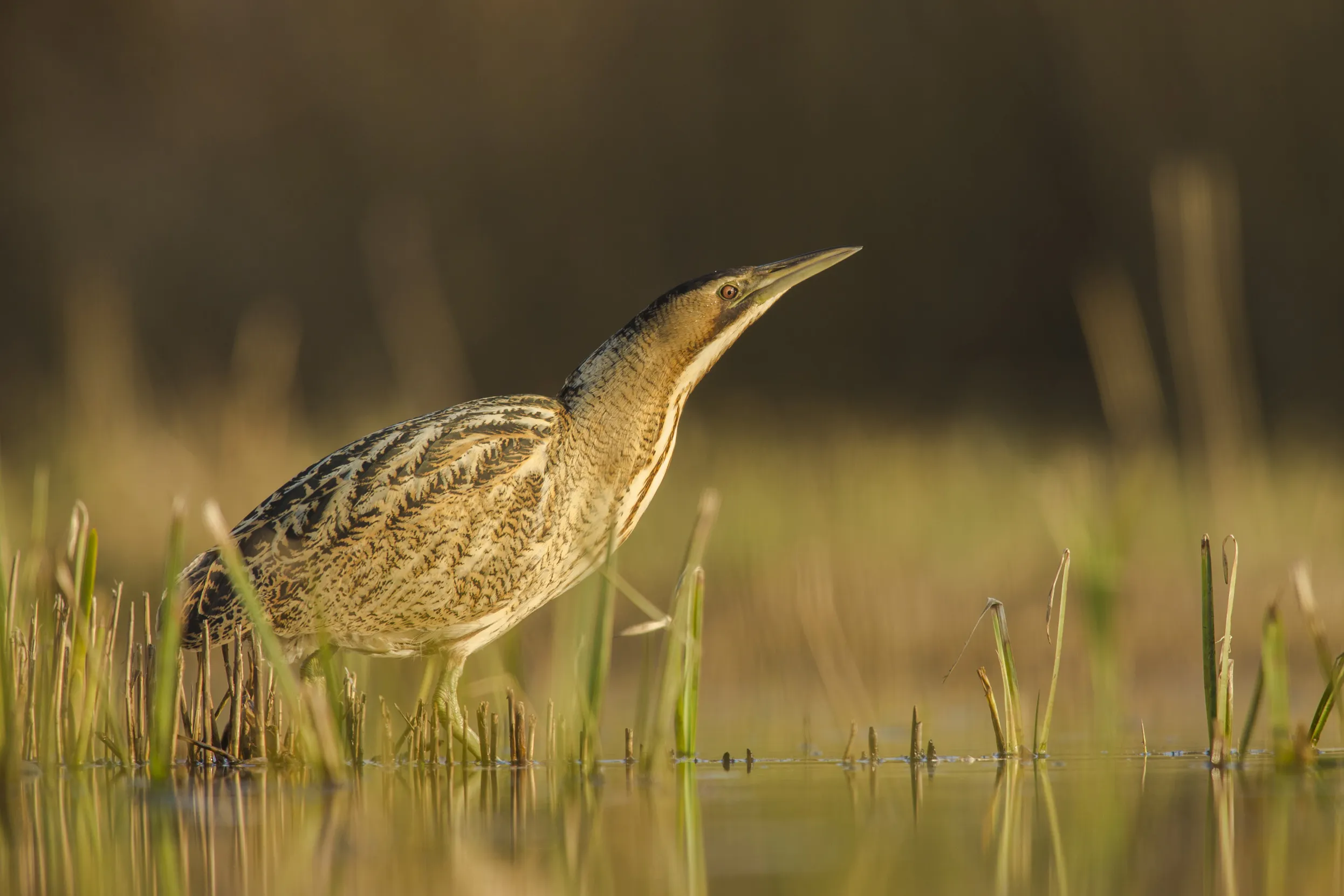
Conservation research found the main reason for the decline of Bitterns in the UK was the drying out of wet reedbeds due to a lack of effective reedbed management. Meanwhile, other remaining reedbeds were vulnerable to coastal flooding, making them unsuitable for breeding Bitterns. As a bird dependent on wet freshwater reedbed habitats and the food they hold, this loss placed them on the brink of extinction in the UK for the second time.
Rejuvenating, managing, and creating these wetland reedbed habitats has been crucial to their comeback, and that of other reedbed specialists such as Marsh Harrier and Bearded Tit. RSPB sites such as Leighton Moss, Lakenheath, Minsmere, Ham Wall and Ouse Fen, now all sport double figures of these crepuscular (most active at dawn and dusk) camouflaged water birds. Bitterns can occasionally be spotted moving among the reeds at the water’s edge seeking out fish, insects, and amphibians to eat with their dagger shaped bill. Their loud boom, akin to blowing across a bottle top can be heard from up to three miles away from March onwards as males stake their claim on territory. Once chicks have hatched, feeding flights are the most common sighting of these prehistoric looking birds during summer months.
Stone-curlew – nicknamed the “wailing heath chicken” was once widely found on dry grassland, heathlands and free draining arable land across much of southern England. These unique looking birds were squeezed into small, localised pockets by the 1930’s largely due to the loss of unimproved grassland and heathland habitats. The decline in numbers continued into the mid-1980s, with the deterioration of remaining grassland, farming intensification, conversion of land to forestry and new building development. By the mid-1980s, Stone-curlew were largely restricted to the arable farmland in Wessex, around Salisbury Plan, and the Brecklands of Norfolk and Suffolk, with the former population of over 2,000 pairs, falling to as few as 130.


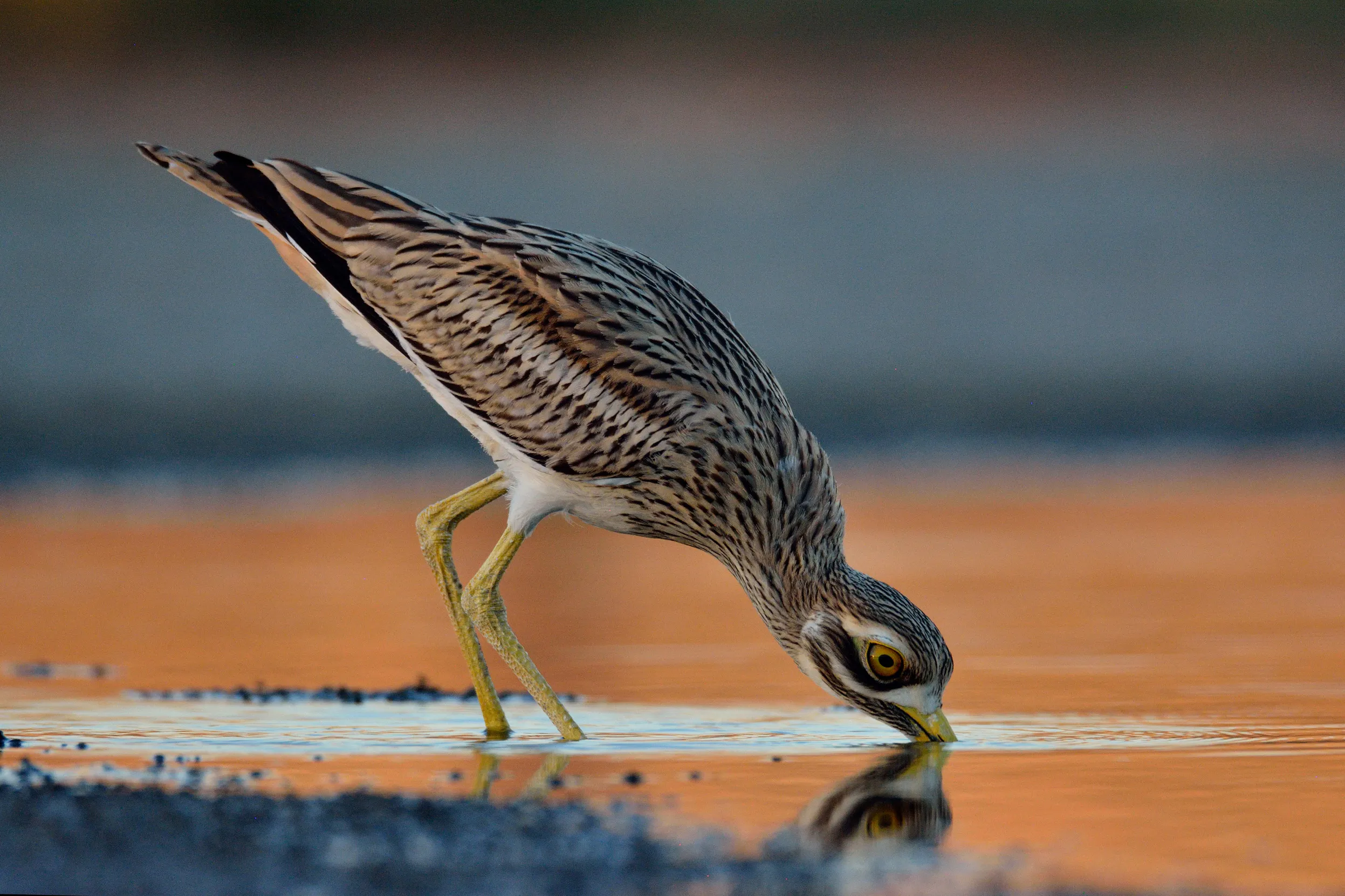
Conservation action became focused on working with farmers and land managers, supported by teams of RSPB volunteers, to identify and protect Stone-curlew nests on arable land. This work ensured any nesting attempts were safeguarded throughout the breeding season so that eggs and chicks were not lost to farming operations and other countryside disturbance. Due to such conservation efforts Stone-curlew numbers have increased to around 380 pairs, though their population remains vulnerable, and on the ground conservation work is still required to continue to protect them.
In areas with breeding Stone-curlew, farmers are eligible to receive agri-environment payments to create fallow nesting plots, on which Stone-curlew breeding success has been shown to be higher than within crops.
Research has recently been directed to better understand how to manage any remaining natural and semi-natural suitable habitat to attract more birds to these areas and away from arable fields.
Stone-curlew require stony patches of bare ground with sparse vegetation. Their large yellow eyes are distinctive and enable them to forage for invertebrates such as earthworms, beetles and spiders in low light. These birds are not only well camouflaged making them incredibly difficult to spot, they are also excellent at staying still. They will spend most daylight hours stood or sat still, blending into the background to avoid detection by predators.
As a result of persecution, Red Kites became extinct as a breeding species in England in the 1870s and were nearly lost entirely from the UK by the 1930s, with only a single breeding female surviving in Wales. The remaining Welsh population clung on but remained vulnerable, only reaching 52 pairs by 1989. It was apparent that natural population recovery to previously occupied areas in England was increasingly unlikely.
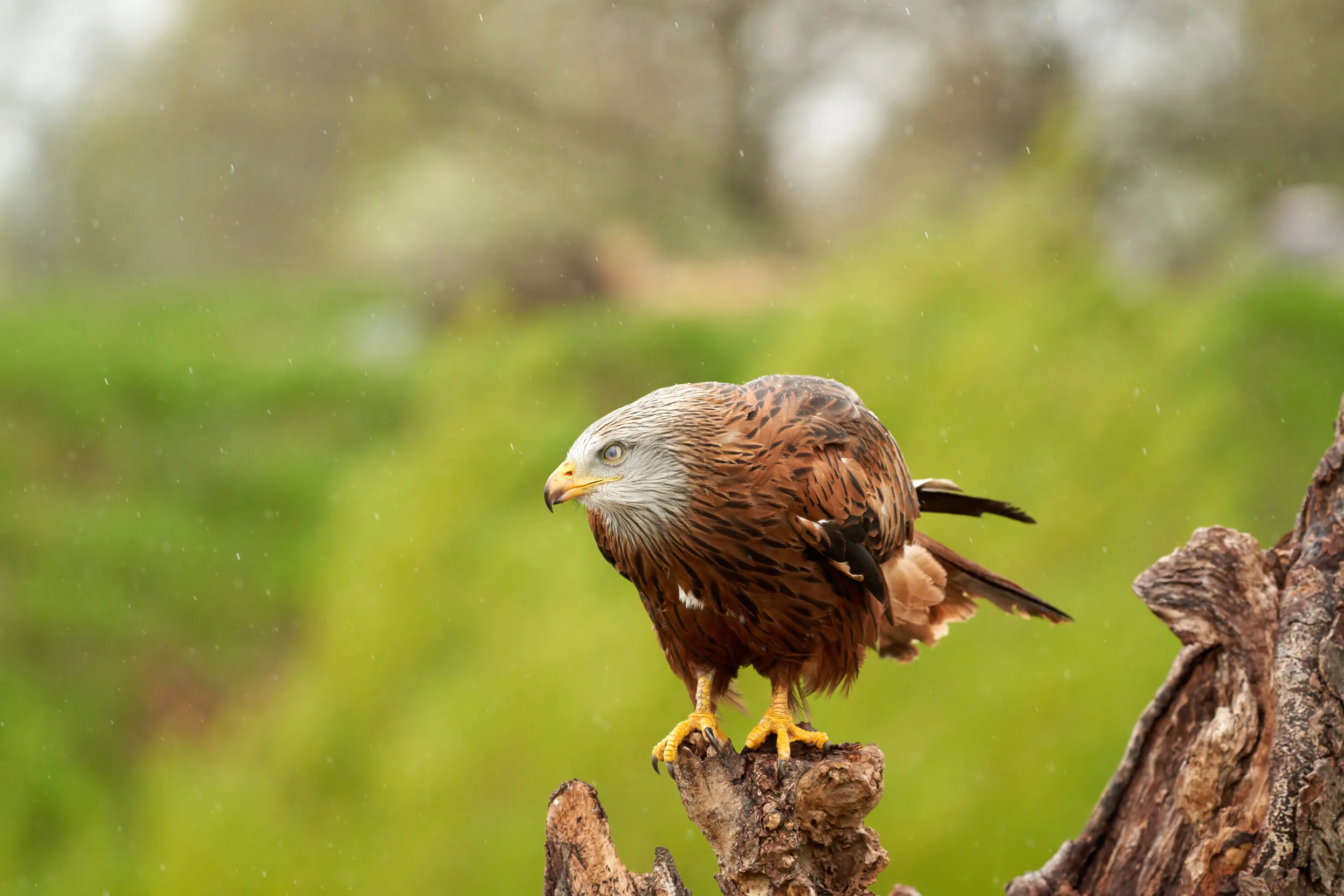
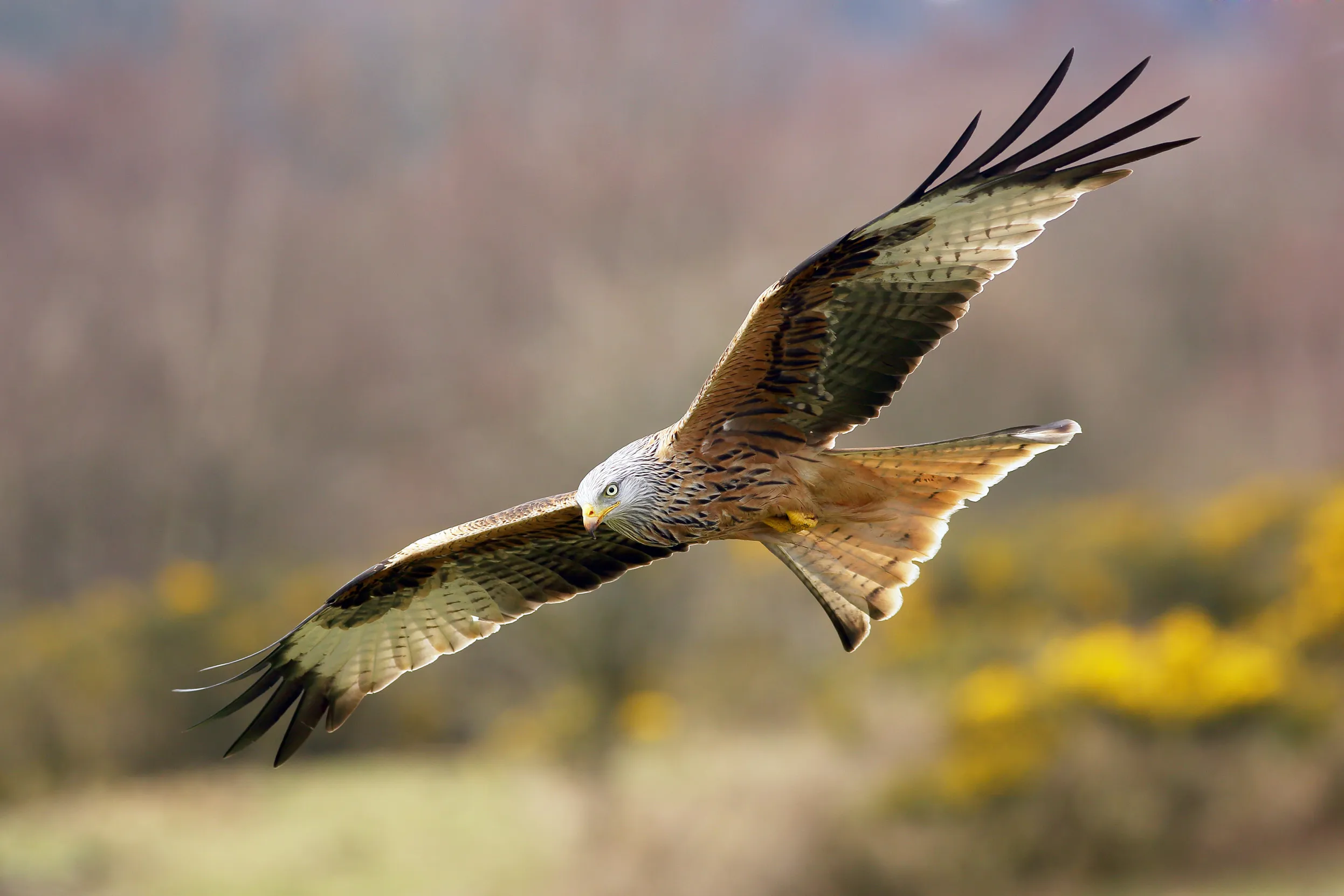

The Nature Conservancy Council (A UK predecessor to Natural England and the Joint Nature Conservation Committee – JNCC ) and RSPB formed a ‘UK Red Kite Project Team’ to plan a coordinated Red Kite translocation programme. Working with several additional partners, 13 birds were translocated from Spain to England in 1989 and were released in the Chilterns, Buckinghamshire. By 1994, a total of 93 birds had been released in this area.
Further Red Kite releases were undertaken in England between 1995-2012 with support from AfBiE from 2005 onwards. A total of 415 birds were released in the East Midlands, Yorkshire, Gateshead, and Cumbria. Initially, these birds were sourced mainly from Spain, however with the first pair of reintroduced birds successfully fledging chicks in 1992, the southern England population became a source for some of these further translocations in the UK.
Through this translocation programme, Red Kites made a return to England after an absence of around 120 years.
In an ironic twist of fate, 30 Red Kite chicks were collected under licence from nests in England and flown to Spain to help bolster a now-struggling Spanish population in 2022.
Between 1995-2020 Redshank numbers in the UK declined by a staggering 49%. This was due to a range of factors including the loss of suitable habitat, climate change and changes in intensive farming practices.
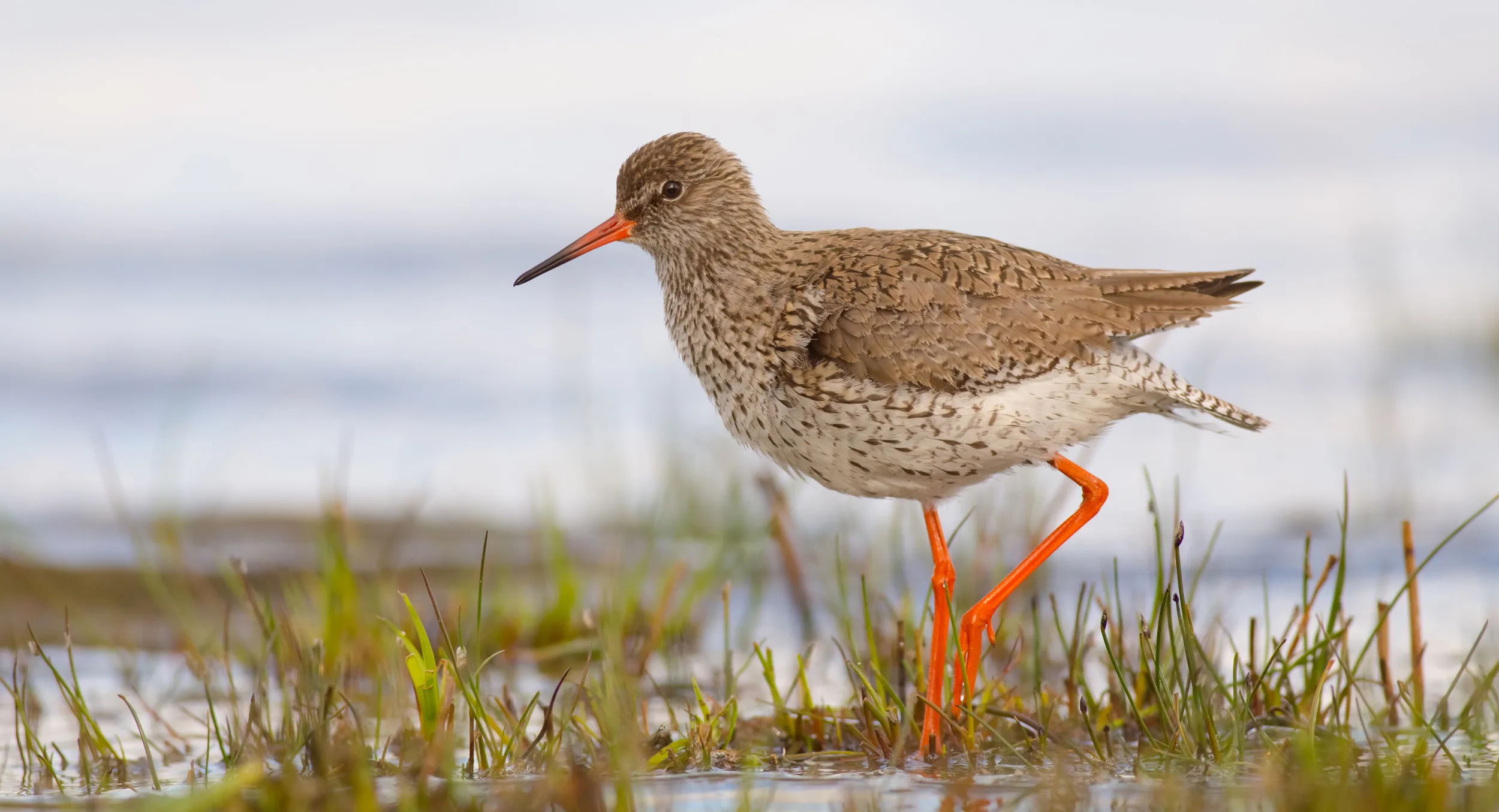
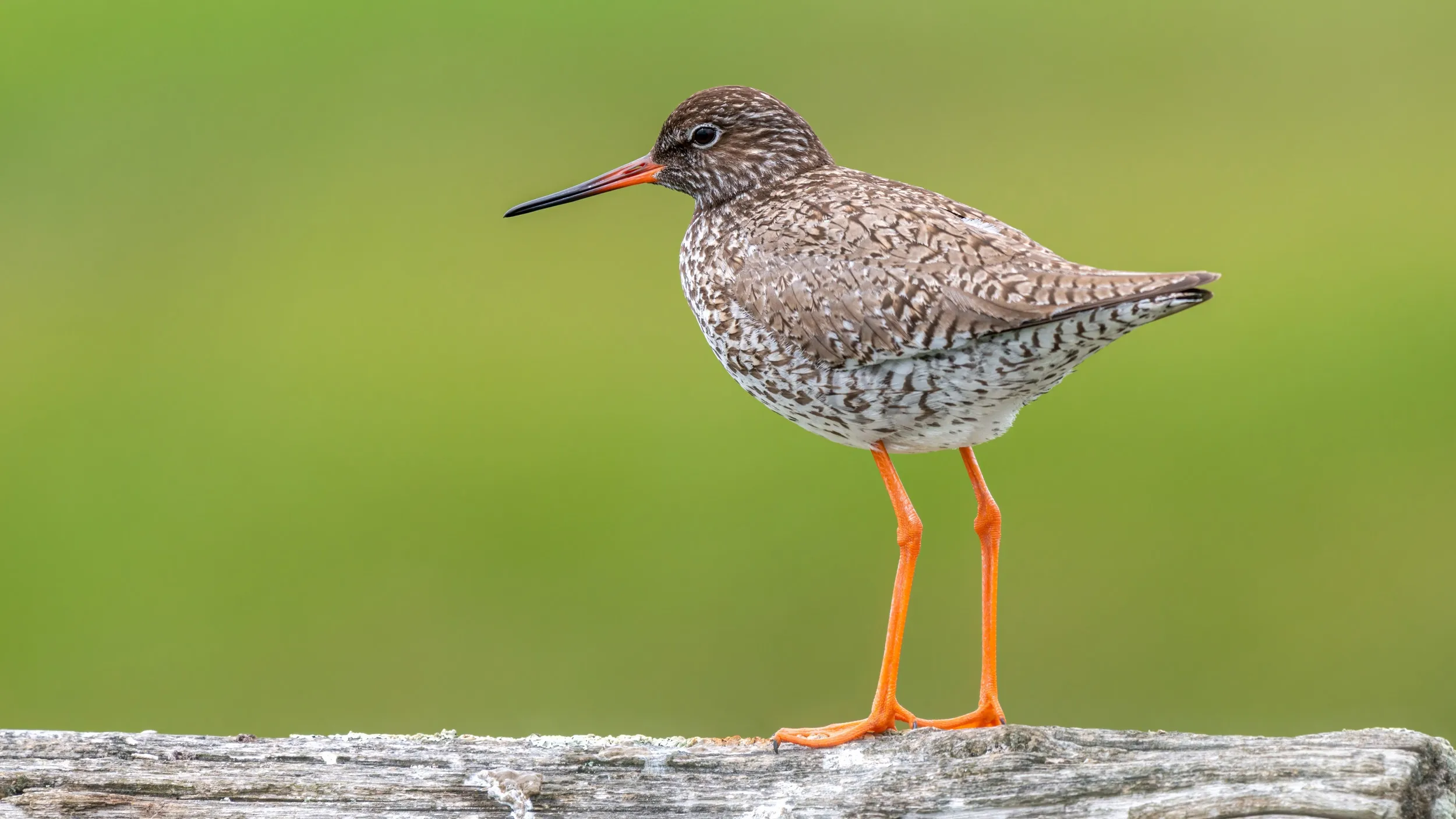

The Saltmarsh Redshank Recovery Project, partly funded by the AfBiE partnership is a targeted conservation initiative combining research and habitat management to safeguard Redshank populations breeding on saltmarsh in England. In 2024, comprehensive surveys in two key saltmarsh areas on the North Norfolk Coast and Outer Humber Estuary were carried out for the first time ever to gain a more accurate picture of current Redshank population numbers. Both areas are part of the internationally important mosaic of sites within England’s East Coast Wetlands.
597 breeding pairs were observed in North Norfolk and 419 on the Outer Humber, which makes up a massive 5% of the UK population in these two places alone.
The results highlight the importance of saltmarsh habitats for Redshanks and other wading birds such as Oystercatchers and Avocet and the need to protect them in the face of rising sea levels and other impacts of climate change. Healthy saltmarshes are also vital in combatting climate change, acting as soft sea defences, offering protection from flooding as well as capturing and storing significant amounts of carbon.
England’s East Coast Wetlands were also added to the UK’s tentative list of UNESCO World Heritage Sites because of their global importance for migratory wading birds.
The Saltmarsh Redshank Recovery Plan Framework outlines the strategy to support breeding Redshank recovery on saltmarshes for land managers and conservationists. Developed collaboratively by the RSPB and Natural England, it is supported by a suite of practical tools such as the ‘Saltmarsh Management Toolkit’ and the ‘Saltmarsh Audit’.
Redshanks are one of the most easily recognised wading birds, with their bright red legs. They’re known as the ‘sentinel of the marsh’ as they are easily agitated, their alarmist calls resounding across the marsh at the merest hint of disturbance or perceived threat.


