Our vision for the Caithness & East Sutherland priority landscape
Find out how we’re delivering wader-friendly farming in the wildlife-rich fields, fens and bogs of Caithness and Sutherland.
On this page
- About the Caithness priority landscape
- Where is Caithness and East Sutherland?
- Key habitats and species
- Designations
- Why this area is important
- Why are we prioritising this landscape?
- What are the threats and opportunities?
- What are we trying to achieve with this work?
- The story so far...
- How can you help
- Key partners
- Want to visit?
Our vision for Caithness and East Sutherland sees its communities enjoying and caring for its symbolic wildlife, including Curlews, Lapwings, Twites and the Great Yellow Bumblebee. Nature-friendly farming practices will be the norm, and all organisations and support mechanisms will be integrated with a common vision.
That is, to manage and restore damaged wetlands, peatlands, species rich grasslands and coastal heaths in a predominantly open treeless landscape where only complementary developments happen.
About the Caithness priority landscape
Sharing its geology with the Orkney Islands, the low rolling landscape of Caithness and East Sutherland was once the ‘breadbasket of the Vikings’.
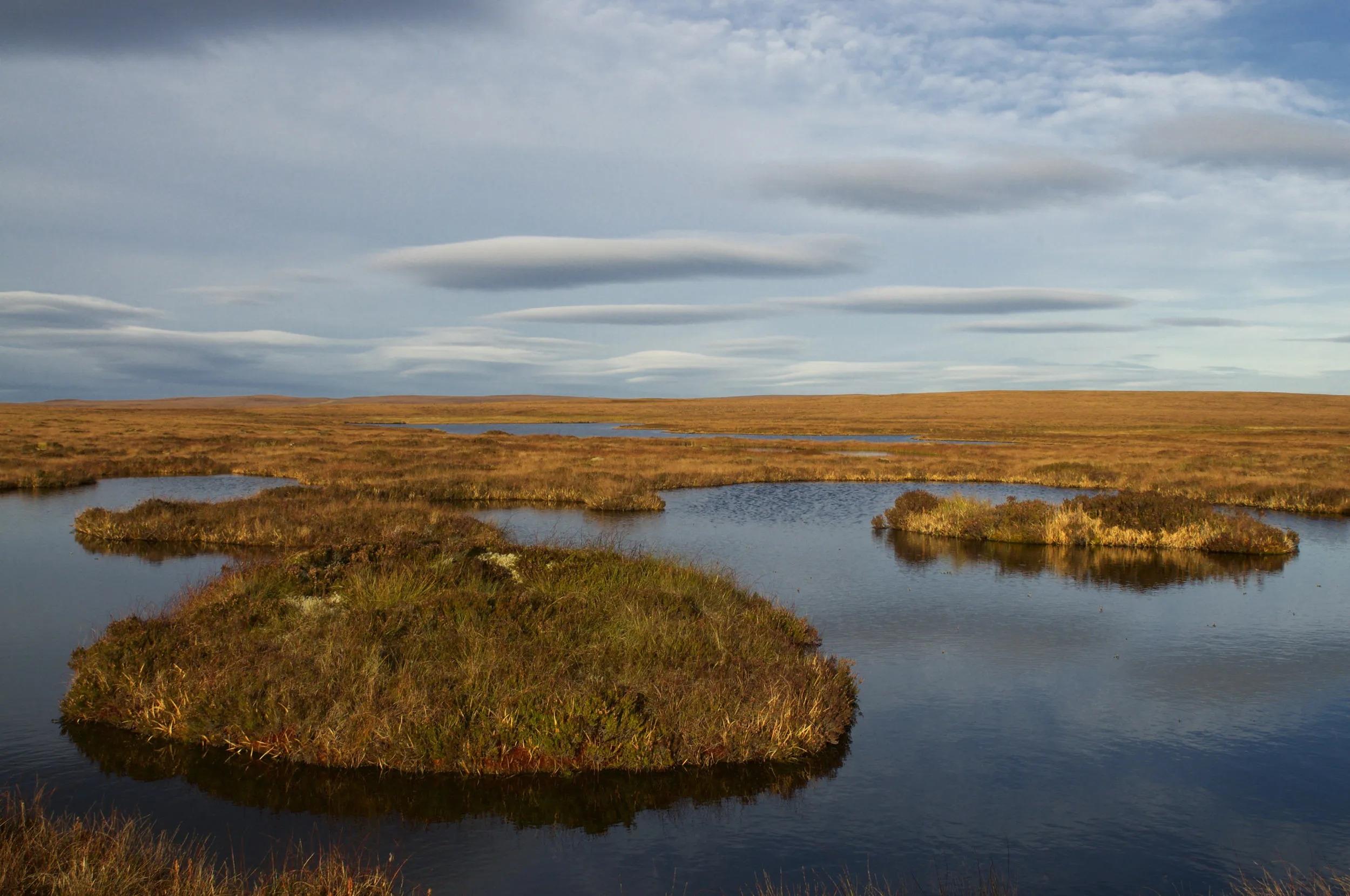
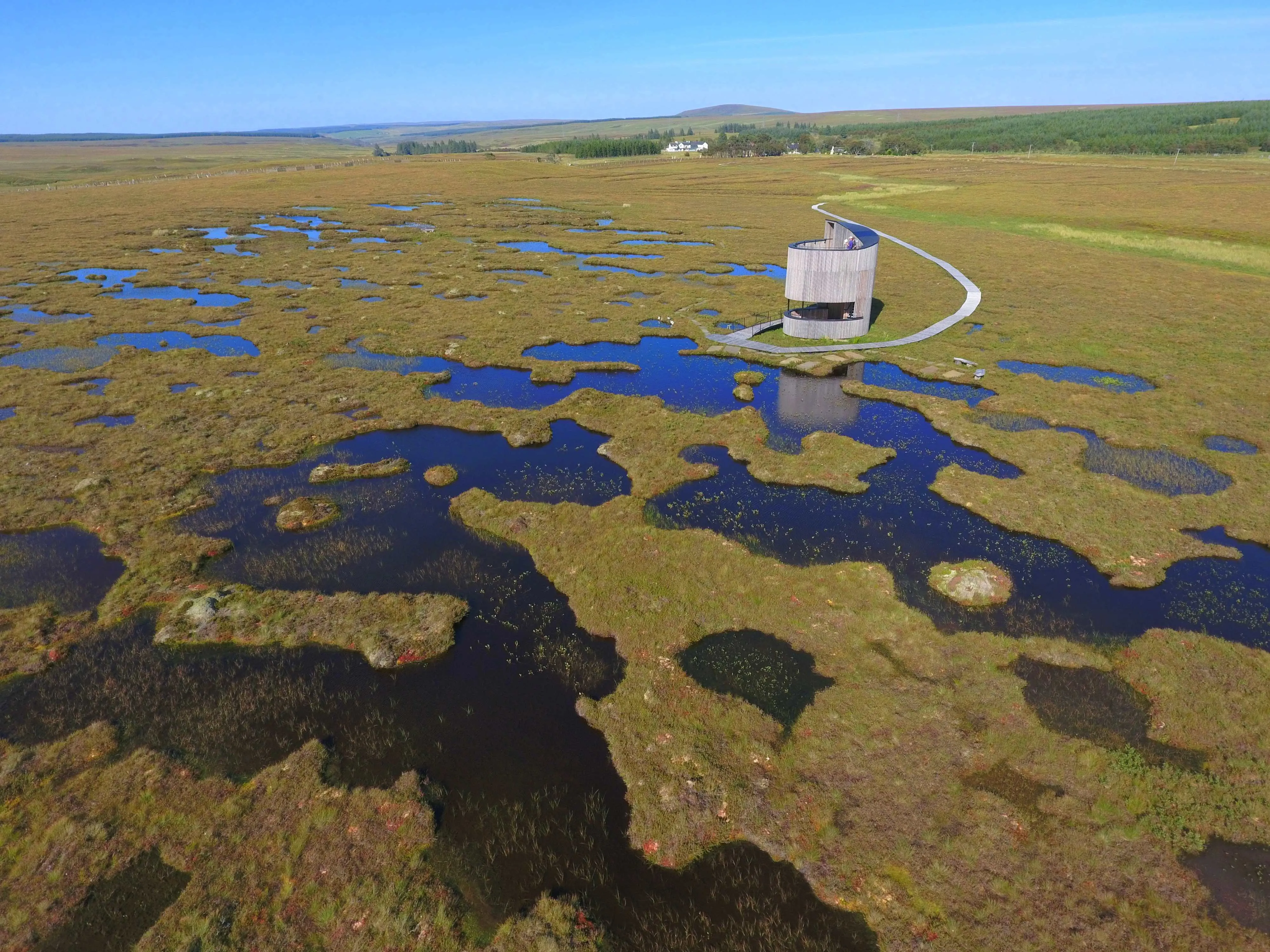
Today, it consists of rolling mixed farmland studded with internationally important wetlands and lochs. Lying directly adjacent to the Flow Country World Heritage Site’s blanket bogs, it’s recognised as one of the key landscapes in the UK for farmland waders.
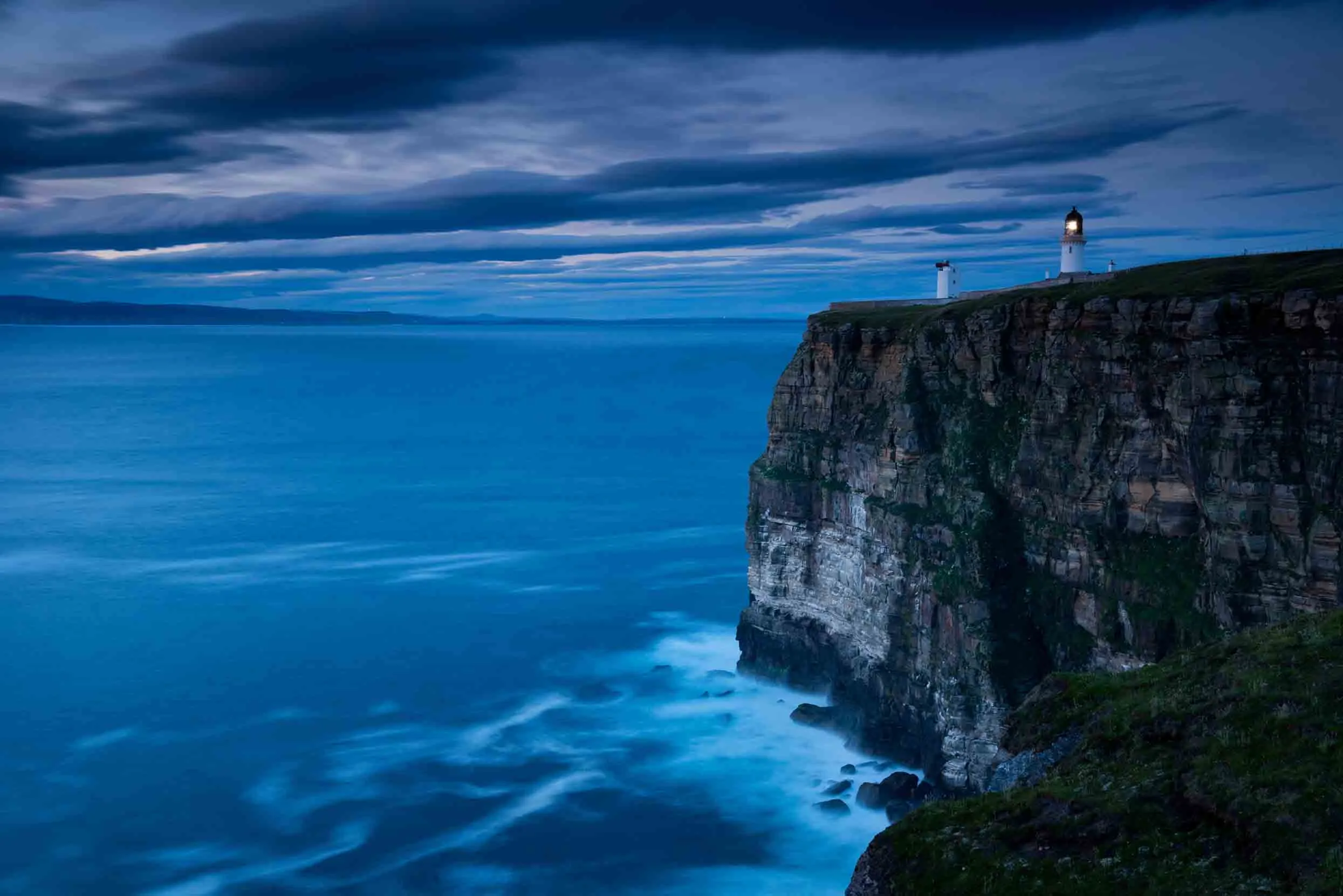
In addition, many miles of the area’s sea cliffs are internationally designated for their ‘seabird cities’. However, most of the farmland isn’t designated in any way. Only a landscape-scale approach, that supports farmers at the core of partnerships, will successfully deliver for the species found here.

Where is Caithness and East Sutherland?
Caithness and East Sutherland is in the far north of mainland Scotland. It covers approximately 150,000ha (hectares), with the ‘North Coast 500’ touring route around its coastal edges, and the huge blanket bogs of the Flow Country World Heritage Site inland.
Key habitats and species
Key habitats
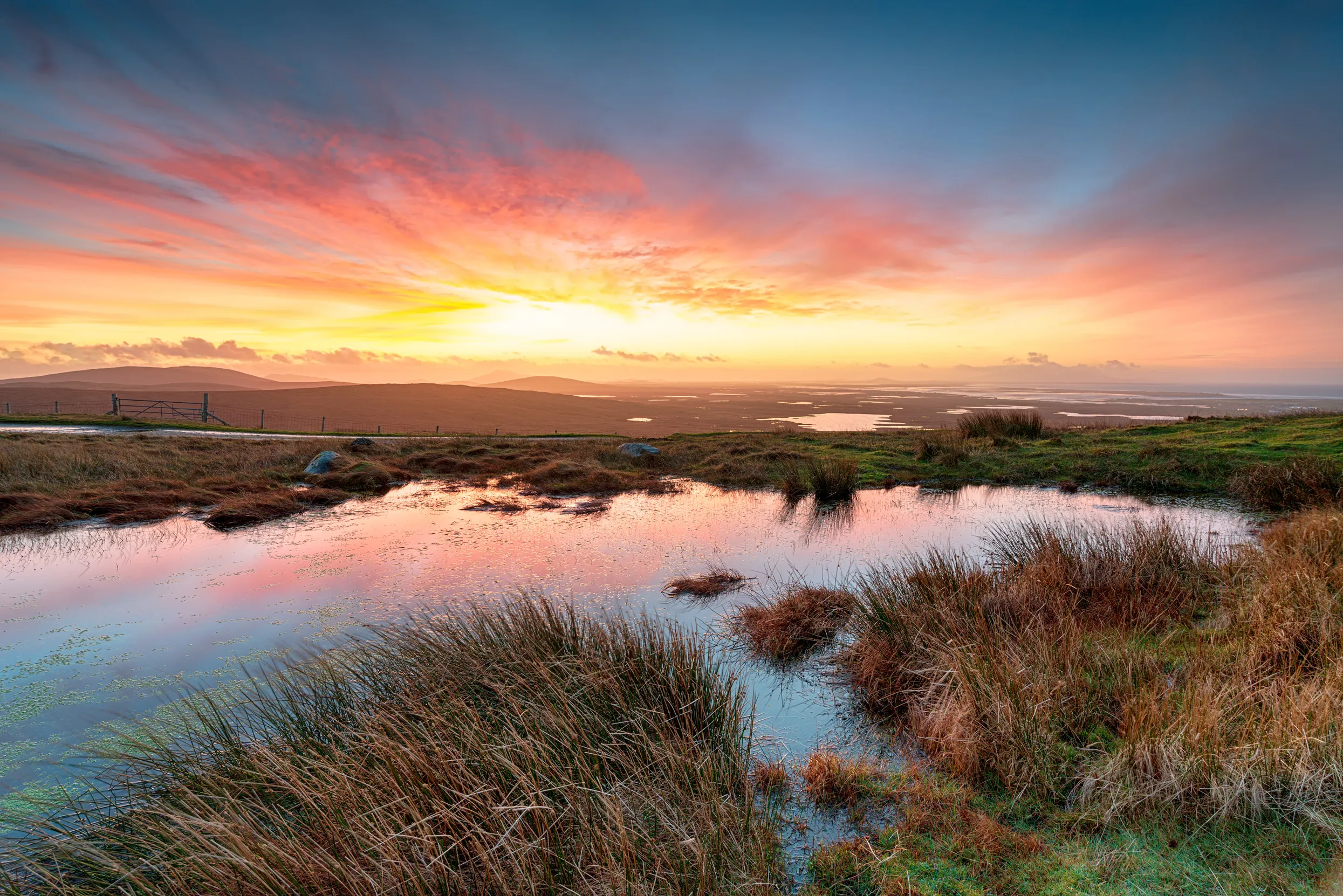
Species rich grasslands and damp grasslands, blanket bogs, internationally important wetlands including the fens, and the only global site for Scottish Small Reed grass. The area also includes nationally important seabird cliff habitat.

Key species
Curlews, Lapwings, Redshanks, Snipe, Oystercatchers, Twites and rare Great-Yellow Bumblebees. Greenland White-fronted Geese and Whooper Swans are also present in winter. All alongside rare Wood Sandpipers, breeding Wigeons and Teals, Swan & Duck Mussels and populations of Hen Harriers, Merlins, Short-eared Owls, Golden plovers and Dunlins.
Over 10% of the UK’s breeding Kittiwakes, Guillemots and Razorbills and nationally important numbers of breeding Black Guillemots, Fulmars, European Shags, Great Black-Backed Gulls and Puffins are also here.


Designations
There are 69 Sites of Special Scientific Interest (SSSI) within the Caithness and East Sutherland boundary, alongside 6 Special Protection Areas (SPA) including Caithness Lochs. The site also includes 31 miles of seabird cliff SPAs on the North Sea coast and 30 miles of SPA cliffs on the Northern Atlantic coast.
Finally, there are 8 Special Areas for Conservation (SAC) including Broubster Leans fen.
Why this area is important
As well as containing large areas of nationally important designated land, much of the farmland and non-designated habitats contains notable breeding populations of species rapidly declining in the UK, such as Curlews, Lapwings and Redshanks.
Unlike many other UK sites, significant areas of the farmland, wet grasslands and wetland habitats haven’t been excessively drained or tree’s overplanted here. This benefits open ground species as the key habitats and sustainable active grazing and cropping they require can be cost-effectively maintained and improved.
Soils are generally carbon rich and have scope for increasing sequestration and storage. The large lenses of blanket bog also have significant scope for restoration and enhanced carbon storage/capture.
Finally, the Caithness and East Sutherland coastline supports large populations of threatened seabird species that the UK has global responsibility for.
Why are we prioritising this landscape?
Assessments, using all available data sets of waders by RSPB, BTO, Scottish Government, and Working for Waders, highlight the landscape’s National importance in the UK. It has many national and internationally designated conservation sites for related habitats and species.
The RSPB has also been active here, for many decades, through the Caithness Wetland & Wildlife Initiative partnership, Flow Country Partnership, our reserves, planning and development casework and public engagement. There’s also a high degree of farmer buy-in to agri-environment schemes in the area.
What are the threats and opportunities?
Threats
- Changes in land-use threaten farmland wader populations.
- Upland mixed farming land is being targeted for tree planting and afforestation.
- Increased intensification of agricultural practices, hedgerow planting and drainage of fields, alongside the abandonment of grazing semi-natural habitats.
- The speed of machinery and increased disassociation from wildlife on farms.
- Renewable energy, transmission and other development such as golf courses can be damaging if badly located.
Opportunities
- The ‘transition’ of the Scottish Government’s agriculture policy, greening and agri-environment support schemes means there is a great opportunity to influence and inform its development.
- An increased awareness of the visible impacts of climate change and biodiversity loss in the wider public, and locally, increases the chance to change how we manage landscapes like this for the better.
What are we trying to achieve with this work?
- To increase the area, management and condition of priority habitats and associated priority species.
- To connect and engage with a wide range of communities, partners, stakeholders and volunteers, empowering them to understand, value and deliver for habitats, species and climate.
- To work through partnerships to ensure key groups and organisations deliver for climate, biodiversity, social and land-use policy in an integrated way to minimise waste of public money and assets and enhance community wellbeing.
The story so far...
- The RSPB provides management recommendations, advice and bird surveys for farms and crofts applying to the Scottish Government’s Agri-Environment & Climate Scheme. Over the last 30 years, we’ve also carried out repeat bird surveys across 3,300ha of key wetland/farmland areas in Caithness, to monitor changes in bird populations.
- In 2023-24, we extended the surveyed area to 10,600ha and involved 55 farms in the process. This data is being analysed to identify key habitat and land-use factors to rationalise boundaries and accurately target our own (and others) resources.
- Our Conservation Officers and central planning staff have improved many habitat management plans for developments. For example, the RSPB played a key part in a second Public Inquiry regarding another inappropriate golf course development affecting an SPA/SSSI at Coul Links in 2025.
- In addition, we’re working with the North Highland Initiative and a range of organisations and farms/crofts, to develop a quality environmental beef and lamb scheme. This will benefit farms and improve conservation and climate land management.
- Finally, under pressure for tree planting along rivers for salmon, a more strategic approach is being discussed with key players to try and avoid negative impacts on waders.

How can you help
-
Watch this page for updates
-
Support RSPB and Scottish Environment Link campaigns which can be to target inappropriate developments or to encourage more nature friendly Government funding
-
Watch www.facebook.com/rspbhighlands for updates
-
Contact: norrierussell@rspb.org.uk
Key partners
We’re working alongside many farmers, crofters, NatureScot, Highland Council, Scottish Agricultural College, Agricultural Advisers, North Highland Initiative, Scottish Crofters Federation, Flow Country Partnership, Caithness Bird Club (SOC), Nature Friendly Farming Network, Working for Waders, Bumblebee Conservation Trust and the University of Highlands & Islands.
Want to visit?
The North of Scotland is a spectacular landscape of coastal cliffs and beaches, including our own RSPB Reserve at Dunnet Head (the most northerly point of mainland Britain). Ferry links to the Orkney Islands also offer access to more incredible RSPB Reserves and wildlife.
To find out more or get in touch, visit the Caithness and Sutherland RSPB reserve web pages below.