
News
The Government takes positive steps towards bird of prey protections
It has announced a call for evidence to assess the impacts of gamebird shooting.
8th Oct 2026
The UK Government’s watchdog releases report on progress towards environmental targets in England.
5 min read
A newly published report on progress towards improving the natural environment in England shows that the UK Government’s efforts are not yet enough to reverse the decline in nature and meet legally binding targets for 2030. This is a stark warning, but all hope is not lost.
The stakes are high — meeting these targets would mean more birds in our skies and trees in the ground, but it would also mean a more stable economy for us all now and into the future. Billions of pounds could be saved by avoiding the growing economic costs that come with increased environmental degradation, including flooding, water pollution, lack of pollinators, poor air quality and poorer soils. As highlighted by the Office for Environmental Protection in its new report, we face multiple crises and successful governments will be those that manage to grasp and confront them.
The UK Government recently updated their plan for improving England’s natural environment, including some welcome and long-awaited delivery plans. What matters now is translating that into change we can all see and hear. What should you look out for?
If all goes to plan, on country walks, expect to see more fields teeming with wildlife, from wildflower meadows to hedgerows alive with butterflies and birds. You should expect to hear flocks of Yellowhammers and Tree Sparrows. Shockingly farmland birds have declined by over 60% since 1970. To make widescale nature restoration a reality, we need most farmers to implement nature friendly farming on just 10% of their land – this is achievable.
You should also expect to see much larger expanses of land turning into wildlife-rich habitat due to woodland creation and management, and peatland restoration. This will be a sign of high-quality, large-scale change in your local area.

Our protected sites are our best places for nature and enable us to carry out important conservation work. They are vital for meeting nature targets and without them precious species, like the booming Bittern, would have disappeared for good. We back the environmental watchdog’s call for an improved and expanded protected sites network.
If things are heading in the right direction, expect to hear announcements of newly designated sites for nature – the kind that offer real long-term protection – referred to as ‘SSSIs’, ‘SPAs’ or ‘SACs’. Designating sites to protect wild bird populations and their habitats is a legal obligation that requires real government investment.
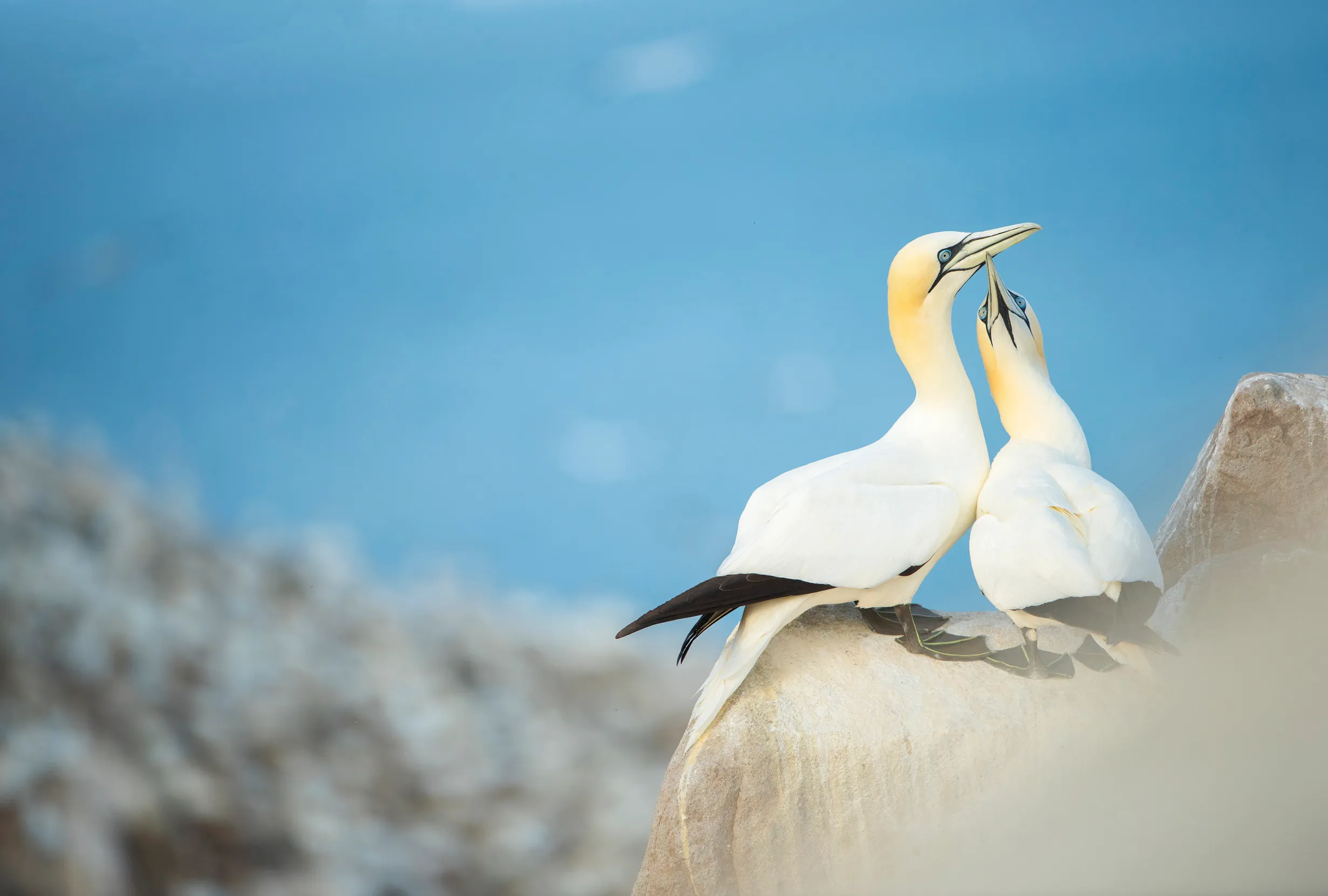
When it comes to our seas, there are currently no foraging sites protected for our seabirds, including for the globally critically endangered Balearic Shearwater, which can be found feeding off the south-west of the country in the summer. If our seas and the habitats surrounding them are healthy – depending on where you are in the country – you should expect to see and hear increased numbers of Puffins, Gannets and petrels.


Birds and their habitats are wonderous in themselves, good for our health and wellbeing and connection to our surroundings, but they are also signs of a healthy functioning natural environment on which we all rely. We’ve become far too used to seeing and hearing much lower levels of nature around us. If you can see and hear signs that as much work is being done for nature as for building houses, you'll know this Government is doing something right.


