What can you do?
Volunteers are the lifeblood of the RSPB, so from Smooth Snakes to Puffins and heathland to forest, click the link to discover how you can help to preserve our amazing natural world.
Smooth Snake numbers are on the rise following a hiss-toric reintroduction programme.
5 min read
Conservationistss (forgive us) are celebrating success 16 years on from reintroducing Smooth Snakes to a site in Devon. Last year, to the delight of nature reserve teams, volunteers and partners alike, 39 individuals were recorded at the site. That’s a 25% increase from the previous highest total of 31 snakes in 2023!
Such progress is a testament to the efforts of the RSPB, Amphibian and Reptile Conservation (ARC), Pebblebed Heaths Conservation Trust and Clinton Devon Estate which combined to return Smooth Snakes to where they once flourished.

The Smooth Snake is the UK’s rarest native reptile, found only on dry heathlands in southern England and restricted to sites in Dorset, Hampshire and Surrey.
Formally discovered in the 1850s, Smooth Snakes are small and slender snakes that grow to about 60-70cm in length. Named after their smooth and flat scales, this non-venomous snake is grey or dull brown in colour with a heart-shaped “crown” head marking. Each crown is completely unique and can be used to identify individual snakes.
Unfortunately, habitat destruction has caused Smooth Snake populations to plummet, as Toby Taylor, RSPB Aylesbeare nature reserve manager, explains:
“Once common across the UK, heathland is now a rare habitat. Over the last 200 years it has been converted into farmland, destroyed for housing, used for forestry or mineral extraction and today tragically less than 15% of this landscape remains. That’s why it’s vital that we work together to look after our heathlands and the wildlife that relies upon them.”

To improve their numbers and return them to their former range, the RSPB worked in partnership with ARC and Pebblebed Heaths Conservation Trust to reintroduce Smooth Snakes to the Pebblebed Heaths in East Devon. In 2009, 17 individuals were relocated from Dorset onto this protected National Nature Reserve (NNR). Over time, the number of Smooth Snakes has grown, and sightings of juveniles suggest that their range is expanding across the heaths to form a self-sustaining population.
The restoration and protection of the UK’s heathlands at scale by the RSPB has also improved the Smooth Snake’s fortunes. Coupled with targeted interventions to make micro habitats just right for the threatened species, the approach is proving to be a winning formula.
On Pebblebed Heaths NNR, RSPB volunteers are removing certain plants by hand to create a balance of the right vegetation. For example, brack and brambles are important heathland plants but can smother other plants and reduce habitat diversity if left unmanaged. The involvement of volunteers to create the micro habitats has been key to the Smooth Snake’s recovery. However, it’s also a useful alternative to more sporadic, traditional machine-led heathland management.
Such careful land management is invaluable as it creates areas of open habitat and ‘corridors’ that link them together. This allows Smooth Snakes to increase their range and establish populations in new areas. These efforts will also help to protect snakes from threats such as wildfires and habitat fragmentation, making their population more resilient overall.
.jpg)
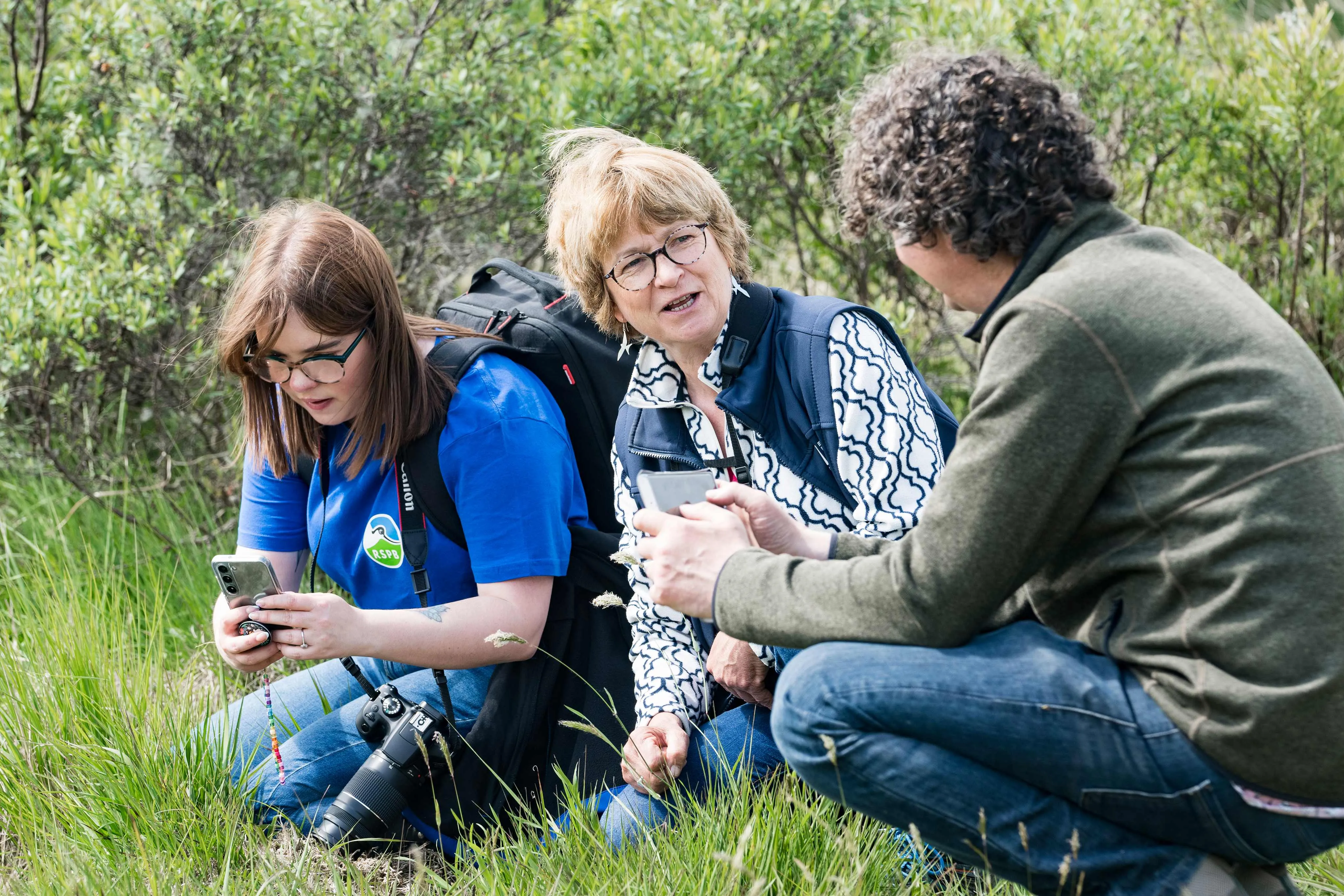
The success of the east Devon reintroduction is largely due to the dedicated team of RSPB volunteers. A total of 3,250 hours has been spent managing the heathland by a small team of volunteers over the last five years. This includes Richard Halstead who has been helping to conserve this special habitat for the past 20 years.
In addition, Roger and Liz Hamling have surveyed the east Devon Smooth Snakes, under license, for 15 years. To improve accuracy, Roger has painstakingly photographed the snakes so that they can be recognised by their unique “crown” head marking. Today, because of his efforts, 28 individuals can be identified – a truly remarkable achievement!
Liz Hamling, RSPB volunteer said: “I just love being up on the heath, there’s so much to see up there. It’s just lovely to see how much the heath has positively changed over the years due to the wonderful work of all our volunteers. And the Smooth Snakes are beautiful; it’s such a privilege to be looking after them.”
Happily, Smooth Snake numbers are also faring well across many of the RSPB’s other nature reserves. For example, RSPB Arne, in Dorset, recorded 35-40 individual snakes on the reserve, a significant proportion of the population. However, while evidence of a self-sustaining population is music to the ears of all concerned, the fight is far from over.
To ensure the species’ continuing progress, it’s important that conservationists, volunteers, partners and the public alike sustain their efforts in the years to come.
Volunteers are the lifeblood of the RSPB, so from Smooth Snakes to Puffins and heathland to forest, click the link to discover how you can help to preserve our amazing natural world.


