How to identify

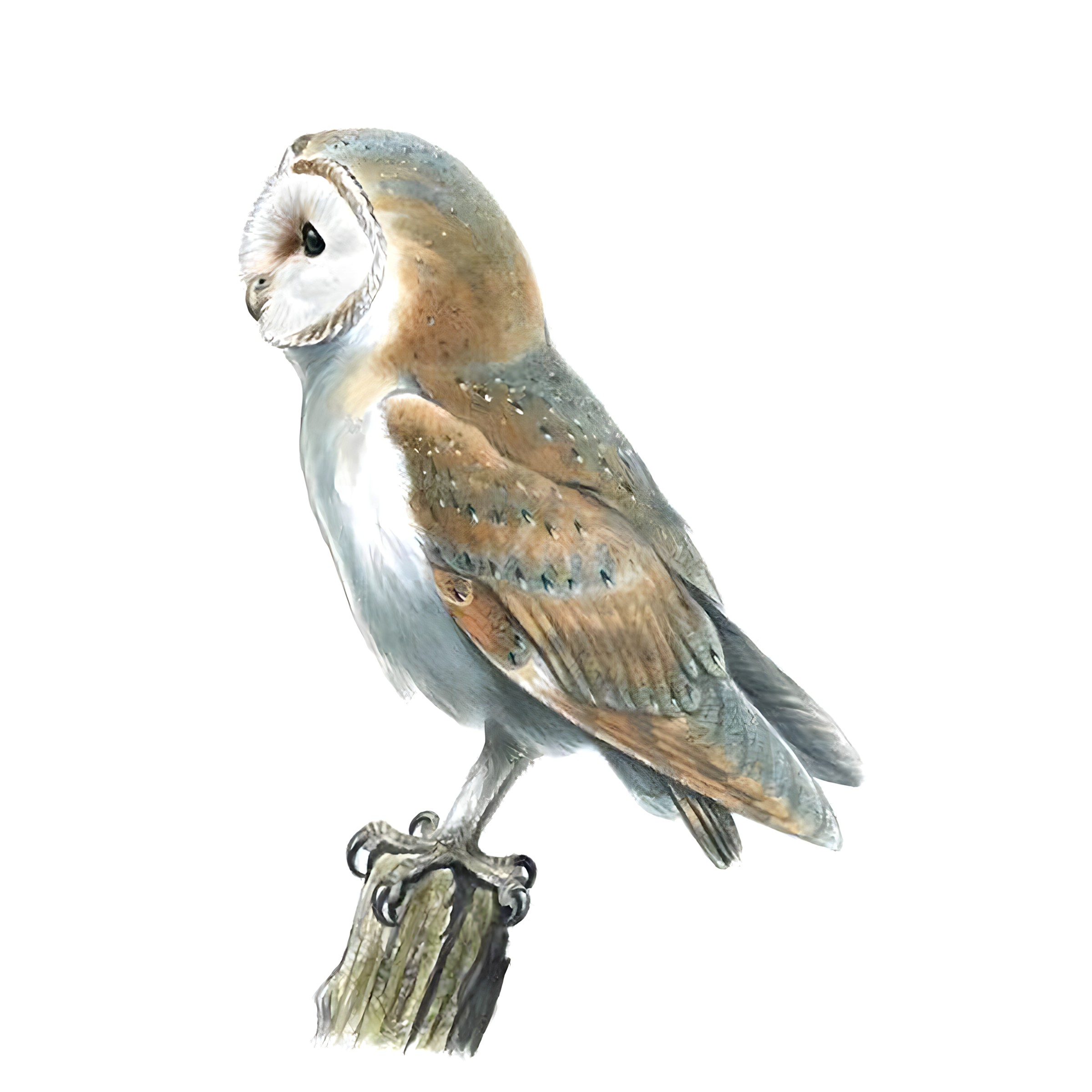
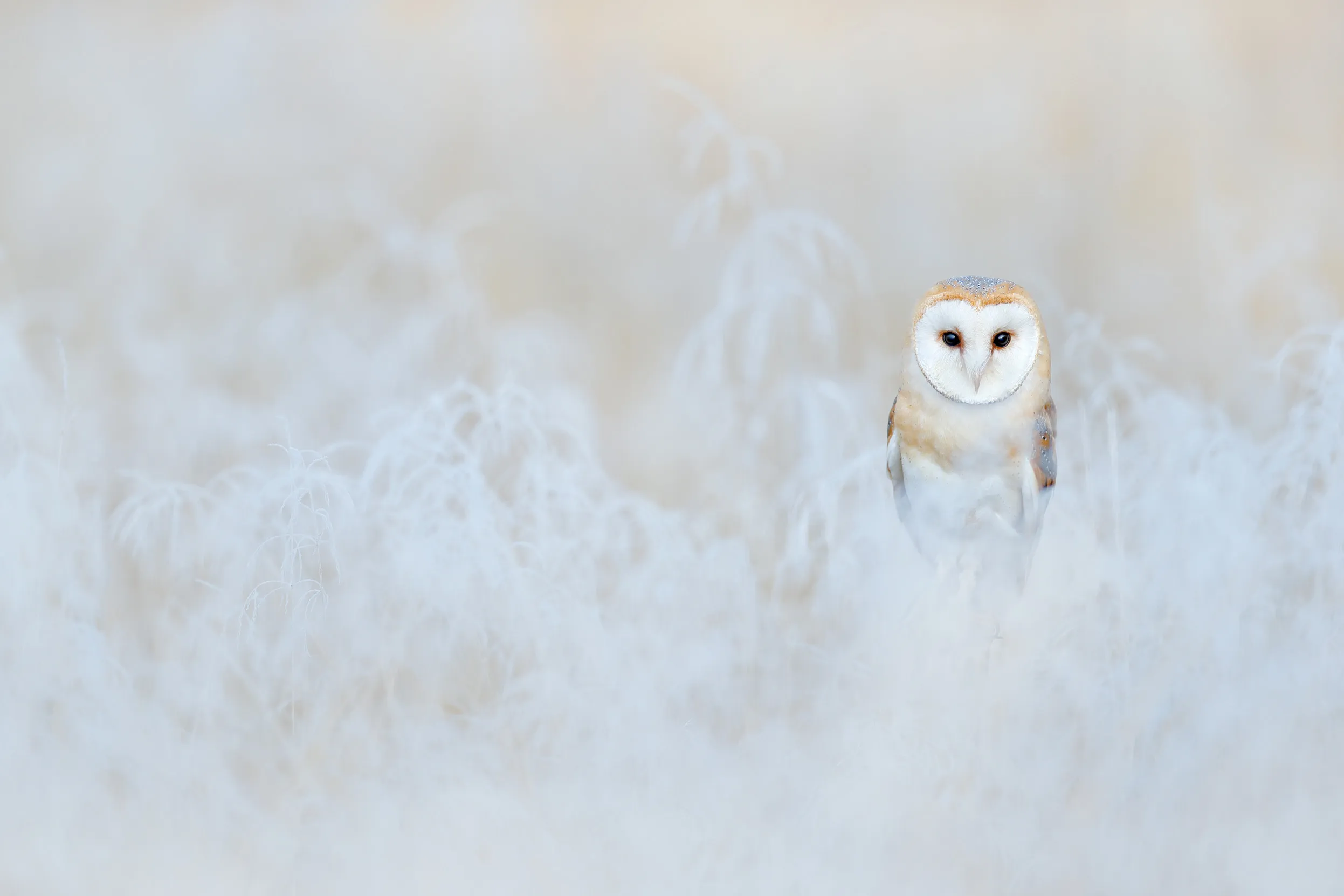
With a heart-shaped face, beige back and wings and pure white underparts, the Barn Owl is a distinctive and much-loved countryside bird. Widely distributed across the UK and the rest of the world, this bird suffered declines through the 20th century and is thought to have been impacted by organochlorine pesticides such as DDT in the 1950s and 1960s. Nocturnal birds like the Barn Owl are poorly monitored by the Breeding Bird Survey and, subject to this caveat, numbers may have increased between 1995-2008. Barn Owls are a Schedule 1 and 9 species, meaning it's illegal to intentionally or recklessly disturb them, and it's also illegal to release them into the wild in the UK.

Call

Barn Owl

Patrik Åberg / xeno-canto

Key features to look out for

  • Distinctive, heart-shaped face
  • Dark eyes
  • Pure white underside
  • Buff and grey mottling on back and wings
  • Long legs – great for plucking prey from the undergrowth

Conservation status

Barn Owls are on the Green List of least conservation concern.

Where and when to see them

Difficulty rating - Medium

Barn Owls are easier to spot than some other owls, especially in autumn and winter when they hunt during the day. They sometimes hunt along country roads, so keep a lookout for a ghostly white shape in your car headlights. 

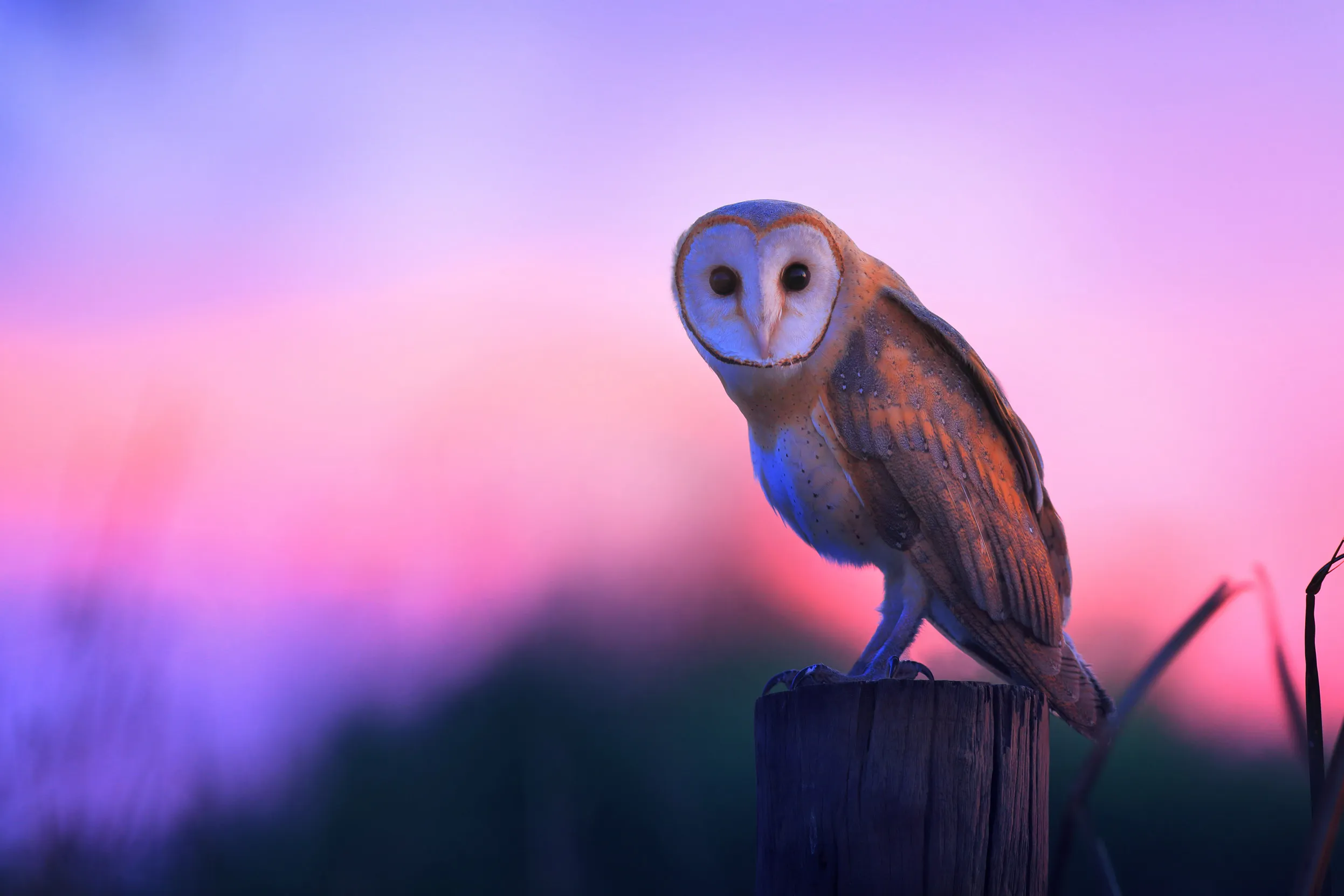
Look out for Barn Owls perched on fence posts or flying low over farmland and rough grassy areas — especially at dawn or dusk. You’ll need to keep your eyes peeled though, as their silent flight makes them easy to miss.

Key

  1. Resident
  2. Passage
  3. Summer
  4. Winter
* This map is intended as a guide. It shows general distribution rather than detailed, localised populations.
  1. Jan
  2. Feb
  3. Mar
  4. Apr
  5. May
  6. Jun
  7. Jul
  8. Aug
  9. Sep
  10. Oct
  11. Nov
  12. Dec

Where best to see them

Barn Owl, perched on fence post by the side of a road
Barn Owl
Birds of the month

Head outside and discover fascinating birds each month. Read on for top ID tips, what to listen for, and where to see them.

Key facts