Coul Links
Plans for a golf course development which threatens a protected sand dune habitat at Coul Links are now being considered by Scottish Government Reporters.
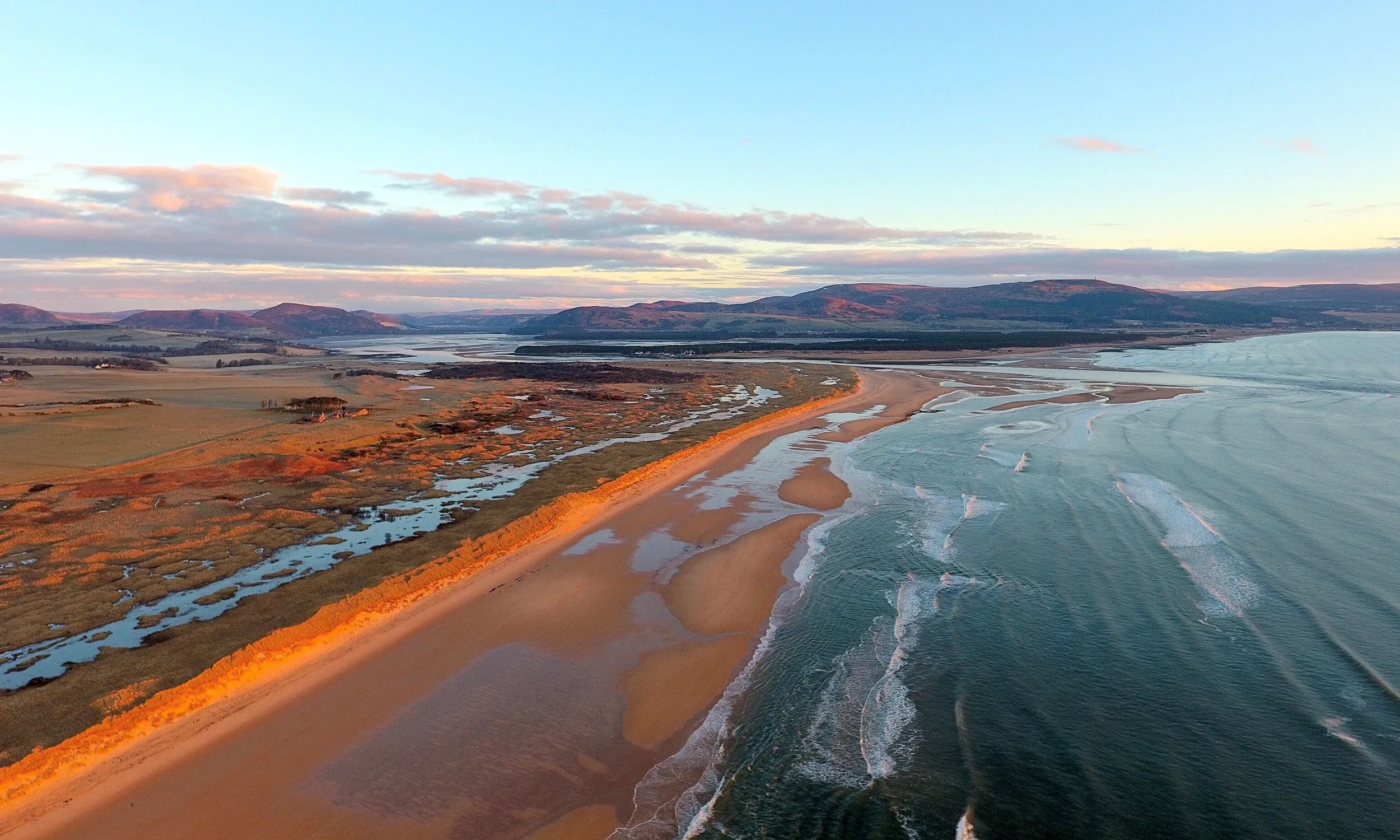
Coul Links is a sanctuary for a diverse mix of wildlife all year round. It’s one of the last undeveloped areas of species-rich sand dune habitats in Scotland.
5 min read.jpg)
It's springtime at Coul Links. The undulating dunes spread before you like a rolling blanket, softening the sound of the waves. A flutter of wings overhead as birds return to breed. Skylarks rise from the whispering grasses. You hear the vibrant song of a Willow Warbler, hoping to attract a mate.
In the undergrowth, caterpillars destined to become Small Blue Butterflies are emerging from their winter hiding spots. There’s a honk from Greylag Geese who are feasting in the nearby fields, while the odd Curlew pokes its head up and displays its distinctive curved bill. As you make your way to the coast, the beach opens up and you spot a raft of gossiping Eider Ducks bobbing in the waves.
Coul Links is a sanctuary for a diverse mix of wildlife all year round. It’s one of the last undeveloped areas of species-rich sand dune habitats in Scotland.
It’s so special, in fact, it has been recognised as both nationally and internationally important. It’s part of a nationally important Site of Special Scientific Interest (SSSI), and a world-class Special Protected Area (SPA) for birds, and a Ramsar wetland site.
But sadly, this is all threatened for a second time by plans for an 18-hole golf course which could do irreparable damage to this rare and fragile habitat.

One of the reasons Coul Links is so special is its complex mosaic of interconnected habitats. This enables wildlife, especially small things like insects, to move freely between different areas throughout their lifecycles, feeding, breeding, and sheltering from bad weather. If one part is damaged, it has knock-on consequences for the rest.
A golf course would seriously disrupt this connectivity. Construction of the course, intensive management and maintenance would mean habitats would be fragmented, damaged, or lost altogether.
This is likely to cut off the ability for small beasties to move safely between habitats like the dynamic, shifting dunes and the ancient dunes covered by heather.
The use of fertilisers, pesticides and fungicides could impact the water and land beyond the areas it is meant for, harming insects and plants.
And the increased human activity on site is likely to increase disturbance to the birds which nest and shelter at Coul Links. This could cause breeding birds to abandon nests and over-wintering birds to avoid the area altogether.
We’ve been here before. Back in February 2020, Scottish Ministers refused very similar plans for an 18-hole golf course at Coul Links. They found the damage it would do to the protected areas, the SSSI, SPA and Ramsar site was not justified.
The current application has not addressed the reasons that the previous application was refused. In fact, national policy now means that developments should leave nature in a better state and increase connections between nature rich sites.
We are in a climate and nature emergency. In Scotland, one in nine species is at risk of national extinction. Scotland is also one of the most nature-depleted countries in the world, ranking 28th from the bottom in a recent study for biodiversity intactness.
We need to be protecting the areas which are most important for nature.

This second very similar application was submitted to Highland Council in February 2023. Later that year, Highland Councillors narrowly voted to approve the application. This was against the advice of planning officers and despite 700 objections – including from the Scottish Government’s own environment body, NatureScot.
Thousands of you spoke up at the time, and in February 2024 Scottish Ministers called- in the application. This meant a public inquiry was held, with government officials considering the proposed development in detail.
Public inquiry hearings took place in November 2024, with experts and local people providing evidence. RSPB Scotland was there as part of the Conservation Coalition, a group of environmental organisations including: Buglife, Butterfly Conservation Scotland, Marine Conservation Society, National Trust for Scotland, Plantlife Scotland, and Scottish Wildlife Trust.
The public inquiry reporters will make their recommendation. Then it will be up to Scottish Ministers to decide the fate of Coul Links.
For the latest updates on our work, follow our social media accounts and sign up to our campaigns updates.
Plans for a golf course development which threatens a protected sand dune habitat at Coul Links are now being considered by Scottish Government Reporters.


