Why we’re in Oxford: A hopeful future for nature and farming
Farmers are flocking to Oxford – we’re there to champion our hopeful vision for the future.
.jpg)
On this page
A hopeful future for nature and farming
Every January, two parallel conferences transform Oxford into the beating heart of the farming debate. The Oxford Farming Conference (OFC), 7–9 January, draws politicians, business leaders, agricultural companies and farmer entrepreneurs, while the Oxford Real Farming Conference (ORFC), 8–9 January, typically attracts growers, activists, and researchers, championing community action and pioneering green ideas.
And this year, the RSPB is right in the thick of both – because the future of nature depends on what happens on our farms.
Nearly 70% of UK land is farmed. Fields that produce the food on our plates also deliver the health of our soils, our rivers, our climate – and the lives of the wildlife we love. The lives of Hedgehogs, Barn Owls, butterflies, Curlews – even the wriggling earthworms beneath our feet – are shaped by the choices made in fields every single day.
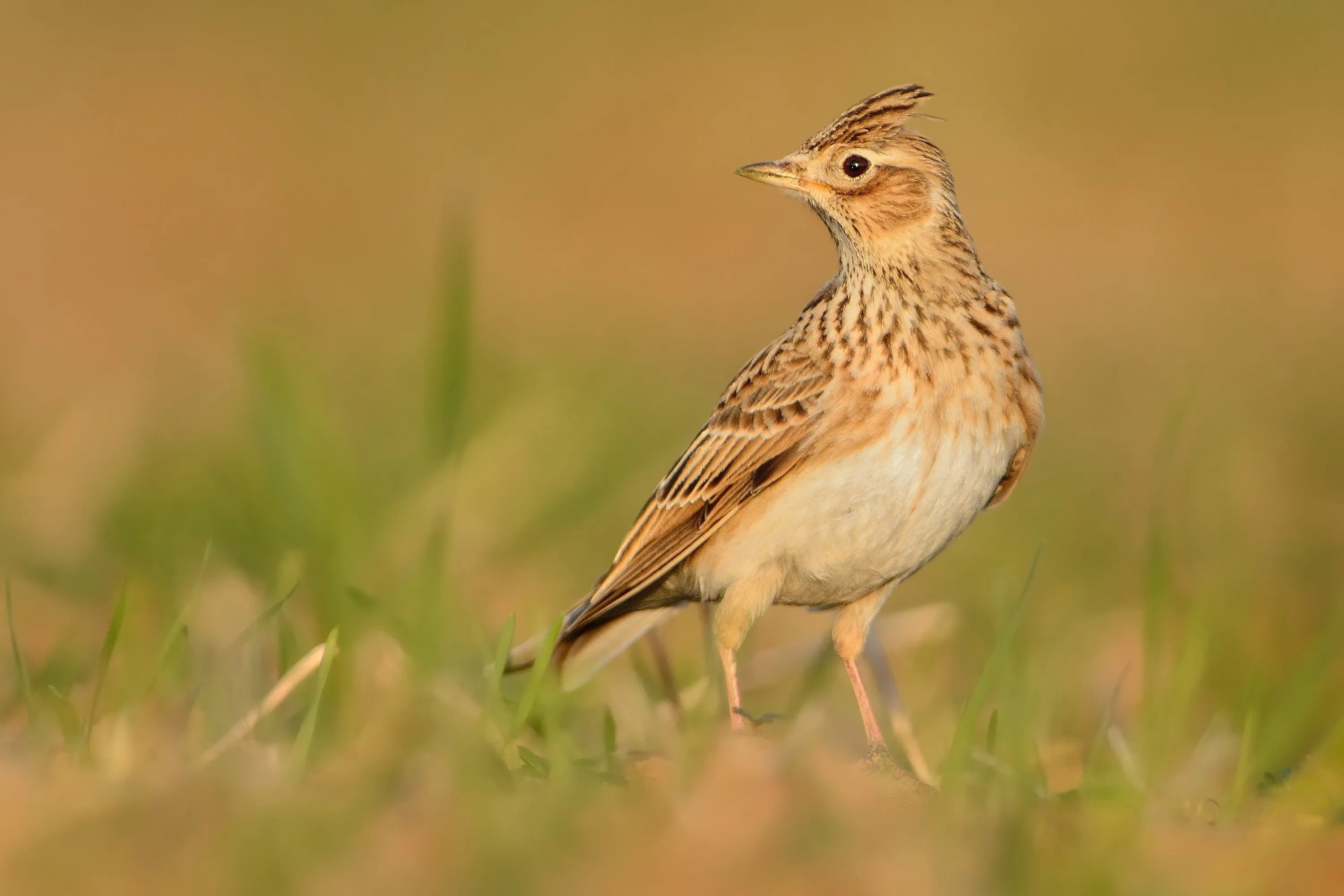
However, government policies to produce more food over past decades have come at nature’s expense. Our soils have been damaged, precious habitats lost, and once-common farmland birds like Skylarks and Yellowhammers are vanishing from our rural soundscapes. Meanwhile, farmers have faced huge pressures: rising costs, extreme weather, shrinking profit margins, and fast-changing supply chains.
But there’s another side to this story, and it’s one of hope, which brings us to Oxford.
A landscape of hope
Across the UK, farmers are already proving a different future is possible: one where nature and farming thrive together.
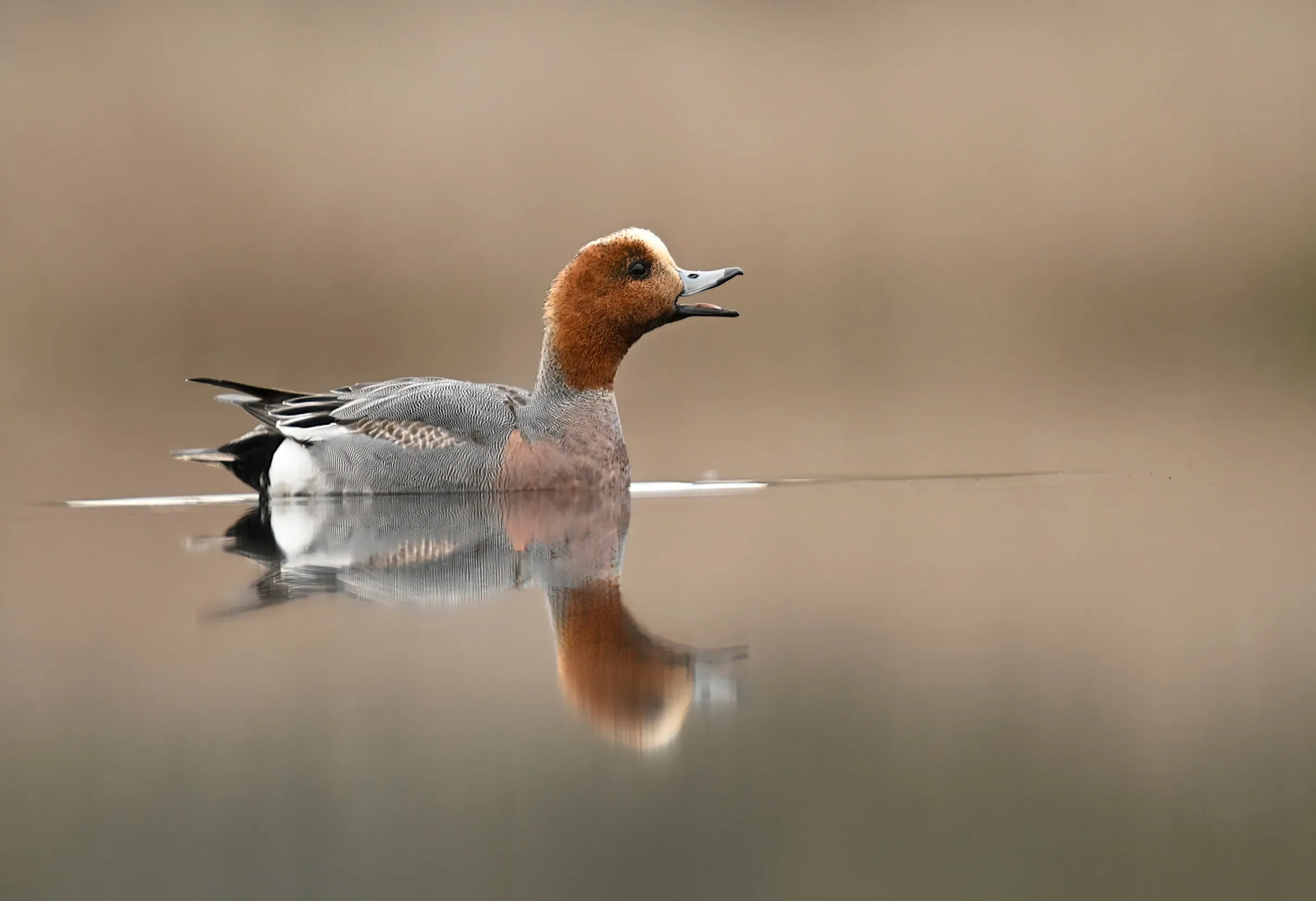
At RSPB Geltsdale in Cumbria, that future is already taking shape. What’s striking about the way farmers Ian and Rebecca manage the land is their understated love of nature. Ian’s fondness for wildlife and, as he puts it, “digging,” led him to create a small wetland with islands now teeming with life. The pond he dug is home to a myriad of wading birds and wildfowl, from breeding Lapwings (three pairs this year) and Wigeon (one of the few breeding pairs in England) to Curlews, Snipes, Oystercatchers and Redshanks. It’s teeming with insect life, too, like Emperor and Broad-bodied Chaser dragonflies.
While showing other farmers the wetland, and the benefits it brings both to nature and to his cattle, who happily wade belly-deep on hot days, Ian was asked what motivated him to make the change. His answer was simple: “It’s just nice to have. You can spend ages just watching the birds and wildlife that are attracted to this pond.”

Stories like this are emerging across the UK. In places like the RSPB’s Hope Farm in Cambridgeshire where the science of this is rigorously recorded, nature-friendly farming has boosted wildlife while still turning a profit.
This is the kind of positive change we will be spotlighting in Oxford.
Oxford Farming Conference: farming for resilience
By restoring flower-rich margins and hedgerows, bringing back wetlands, and allowing fields to rest so ground-nesting birds can raise their young, farmers are seeing wildlife return – and their farms become more resilient too. More pollinators. Better soil health. Lower input costs. Stronger yields and businesses built for the long term.
At the OFC, the conversation is all about resilience – how to keep farms productive and profitable into the future. Our message is simple:
Nature-friendly farming isn’t just good for wildlife – it’s essential for resilient farming too.
On Thursday morning, RSPB CEO Beccy Speight is hosting a breakfast panel titled A Landscape of Hope. Pioneering farmers including Ian Bell from Geltsdale and the RSPB’s Hope Farm Manager Georgie Bray, will share firsthand how nature-friendly farming is transforming their farms – and why building resilience means working with nature, not against it. They’ll talk honestly about what’s working, what’s been hard, and what gives them hope.
As Beccy puts it:
“Farmers across the UK are showing how farming can help reverse nature’s decline. OFC is a perfect place to chart a hopeful pathway for farming and nature to thrive together.”
Because the evidence is clear: when farms protect and restore nature, everyone wins.

Oxford Real Farming Conference: regenerative and nature-rich
What about regenerative farming?
Just a few streets away, the Oxford Real Farming Conference (ORFC) draws a different crowd – bringing together thousands of people including young farmers, activists and changemakers excited about and exploring regenerative techniques. Regenerative farming aims to improves the soil over time through methods such as limiting soil disturbance, maintaining soil cover, and reducing inputs like fertilisers or pesticides. But to secure the future for bees, butterflies and farmland birds, it must also deliver habitats and year-round resources for wildlife.
Here’s the vital message we’ll be championing:
To be called regenerative, farming must also work for wildlife.
Healthy soils are fundamental, but they are not enough if farmland remains silent of birdsong or stripped of habitat. Regeneration must include the hedgerows, ponds, flowers and wetlands that wildlife needs – and from which farms benefit from in return through pollination, natural pest control, and climate resilience.

At ORFC, we’ll be working with young farmers and our RSPB Youth Council, hearing their experiences and capturing their voices on film. We’ll also be speaking with conference-goers and capturing hopes for the future of food and farming. Young people are the generation who will live with the consequences of today’s decisions – and many of those already redefining what farming can be.
Scaling up what already works
Nature-friendly farming isn’t a theory – it’s happening now. Across crofts in Scotland, upland farms in Wales, mixed lowland farms in Northern Ireland and places like Geltsdale and Hope Farm in England, we’re working in partnership to put proven solutions into practice.
But to bring wildlife back across all farmed land, we need more support for farmers – through well-funded government farming schemes, good advice, and supply chains that reward nature-friendly choices.
This is why being at both Oxford conferences matters: to share the evidence, build alliances, and show that nature-friendly farming is not just an option… it’s essential for our food security, climate and countryside.
Everyone has a role
Whether you’re a farmer, a policy-maker or a nature lover, your voice matters. By choosing food that supports wildlife, backing farmers who are doing things differently, and speaking up for nature-friendly farming, we can help shape a future where:
- The land is healthier
- Wildlife thrives
- Farms become more resilient
- Our food system is stronger and fairer
- Climate-warming emissions are reduced
This January, we’re heading to Oxford to shine a light on the inspiring progress already happening — and to help ensure nature has a place at the heart of the conversation.