
David Rawsthorn, Work Party Member, RSPB Geltsdale
David Rawsthorn volunteers at RSPB Geltsdale in the North Pennines, an upland nature reserve where we are working to improve the habitats and help wildlife thrive.
This Volunteers’ Week, we’re thanking all our volunteers who do so much for nature. We couldn’t do it without you!
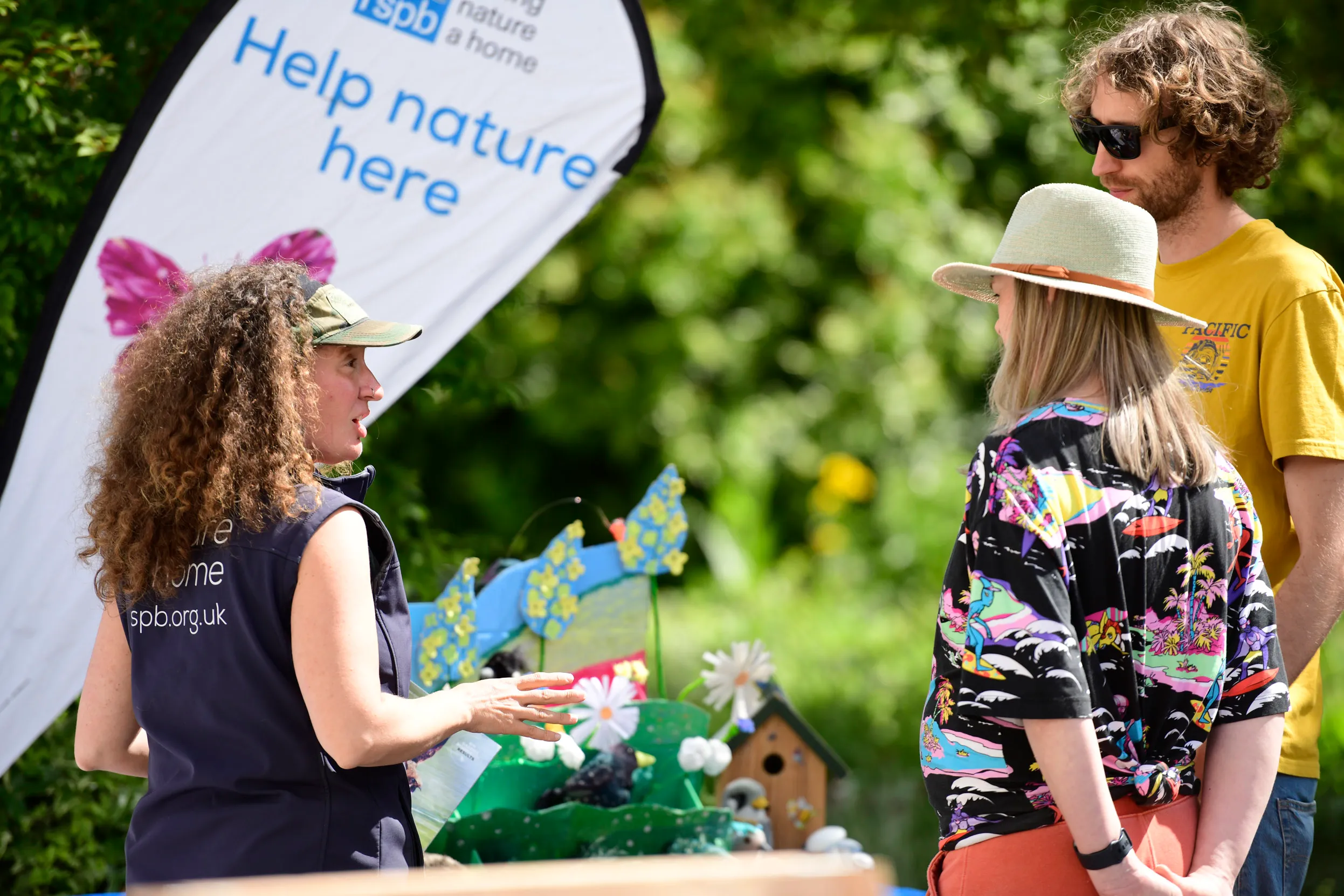
Volunteers’ Week 2025 runs from 2 to 8 June. It’s a special time in the RSPB calendar as we thank all our many volunteers, and shine a light on the many ways in which they are making a difference for birds and other wildlife.
Volunteers play a vital role in the RSPB, making up 85% of the workforce and spending a whopping one million hours every year volunteering for nature. Whether it’s carrying out wildlife surveys, answering emails from fellow RSPB supporters, or repairing footpaths on nature reserves, the roles they carry out are as varied as our volunteers themselves!
RSPB volunteers have a truly phenomenal impact. It’s no exaggeration to say that we would not be able to do all we do without our wonderful volunteers. Thank you!
As well as wishing each and every one of our volunteers a heartfelt thank you for all they do, we’d like to spotlight three of them to tell you more about the role that volunteers play at the RPSB.
We hope you feel uplifted by their stories. Maybe you’ll feel inspired to volunteer yourself!
David Rawsthorn volunteers at RSPB Geltsdale in the North Pennines, an upland nature reserve where we are working to improve the habitats and help wildlife thrive.
As a member of the work party, David joins other volunteers once a week, helping out with a wide variety of practical tasks, from tree planting to stone walling, cleaning cattle collars to bracken bashing.
A recent highlight was helping partners with peatland restoration. David explains: “We went up on the fells, over 1,800 feet, in an amphibious vehicle – a sort of quad bike – and it was honestly like a fairground ride! It was really great fun. Then we helped to spread heather mulch on the peatland.”
David lives in the Geltsdale area and, as a keen walker, has got to know the landscape intimately over the past 30 years. Being a part of the work to restore the area is what inspires him to donate his time to the RSPB. David knows he’s taking action to help the struggling species, such as Curlews, that he shares the landscape with.
Like many nature lovers, David sometimes finds himself feeling overwhelmed by the negative news about the environment but discovered an antidote in volunteering: “It’s important for me to feel like I’m doing some good – even if it’s only a tiny bit, doing something positive is important to me mentally.”
Volunteering also enables him to spend as much time outdoors as possible in his retirement. And with that, he’s experienced some thrilling moments in nature. “The Warden recently took us to see Adders basking in the sun alongside one of the becks that runs through the reserve; it’s incredible to know they’re there.”
When asked about the best bits of volunteering, David says: “One of the great things is that you come across people with really different backgrounds. When I come home and talk to my partner, I have so much to talk about.”

The Manchester Swift City project, funded by People’s Postcode Lottery, aims to transform Manchester into the largest ‘Swift neighbourhood’ in the north-west of England.
Swifts migrate to the UK every spring to nest and raise their chicks. But they have suffered serious declines. For every 10 Swifts zooming through our skies in 1995, there were only around four in 2021. A lack of suitable nest sites is a key factor behind this decline, so a key way to help is by putting up Swift nestboxes.
Natalia is part of the RSPB Species Volunteer Network working in Greater Manchester to encourage community action for Swifts.
“One thing I’ve realised from this project is that, because Swifts are considered city birds - nesting in buildings and thriving in urban areas - people really have a direct opportunity to collaborate on their conservation efforts. By taking part in the public events we’ve organised in the project, I’ve seen what a huge opportunity there is for Swifts, as many people are genuinely interested in helping and volunteering for the cause,” explains Natalia.
“As a Volunteer Co-ordinator, I’ve supported the Line Manager in planning and organising activities for the three volunteer teams—surveyors, caseworkers, and community engagement—since the start of the project. I’ve helped plan activities to ensure volunteers feel welcomed, engaged, informed, and happy throughout their volunteering journey. As part of my activities, I was involved in planning and organising key events the project hosted last year, including our first public event, one large-scale summit, and the end-of-season celebration.”
Natalia has a Master’s in Environment and Development and experience in environmental management and policy development. As well as wanting to help wildlife, she wanted to do something where she could use her existing skills. She is also relishing the opportunity to connect and enthuse people about Swifts.
“My highlight so far was our first public event, which was at the Manchester Museum. We had a stall, and an opportunity to talk to people about Swifts and to enroll volunteers. When I saw the response from the public, it was really encouraging. I saw in real life how to involve community in conservation efforts.
“Of course, volunteers are a great contribution for conservation efforts, but the more people we can gather the better. It’s perfect if we can invite the community to participate. The event was also a great opportunity to work together as a team. It was wonderful to see how our team collective efforts resulted in a successful first public appearance for the project.”

Frank Murray is a former Commercial Manager of a dairy company and grew up on a farm. He now volunteers with the RSPB, helping with nature-friendly farming initiatives and the RSPB England team.
It’s a varied role. One day he could be helping to organise events and the next he might be updating information about how farmers can help wildlife. Frank helps the Conservation Officer for Cambridgeshire to support around 18 farmers in the east of England, known as the Ely Nature Friendly Farming Zone Cluster.
He is driven by his personal experiences: “There has been a lot of decline in wildlife over the past 50 years. I come from a farm where we weren’t quite so intensive when I was growing up. But when I look at what’s happened in the meantime, farming has become extremely intensive – and a lot of decline has taken place in wildlife as a consequence.”
The work underway at RSPB Hope Farm provides inspiration and is aiming to show how farming can be productive and support wildlife. “Hope Farm is great. I was there when they had a 25-year anniversary celebration. They invited about 100 farmers for a tour of the farm and showed them the work they’re doing. They’re doing some great work’’
Frank also helps with social media posts. “As part of my role, I manage the social media posts on the Ely Nature Friendly Farming Zone website and Facebook, and I encourage farmers to send me photographs of what they’ve seen. One farmer who is very supportive sent a photo of some Lapwing chicks recently taken on his farm in the Fens. We made a blog post with that!”
Being part of team that is making a difference and inspiring others to help wildlife is a key part of the role. “There was a thank you event for the volunteers at Hope Farm last year. I think volunteers are treated with great respect, looked after and thanked. You’re happy to do stuff for people who are nice to work with!” he says.
“I would definitely recommend volunteering. The volunteers in the RSPB are well looked after – everyone feels like they’re working together as a team. It’s a great place to volunteer.”
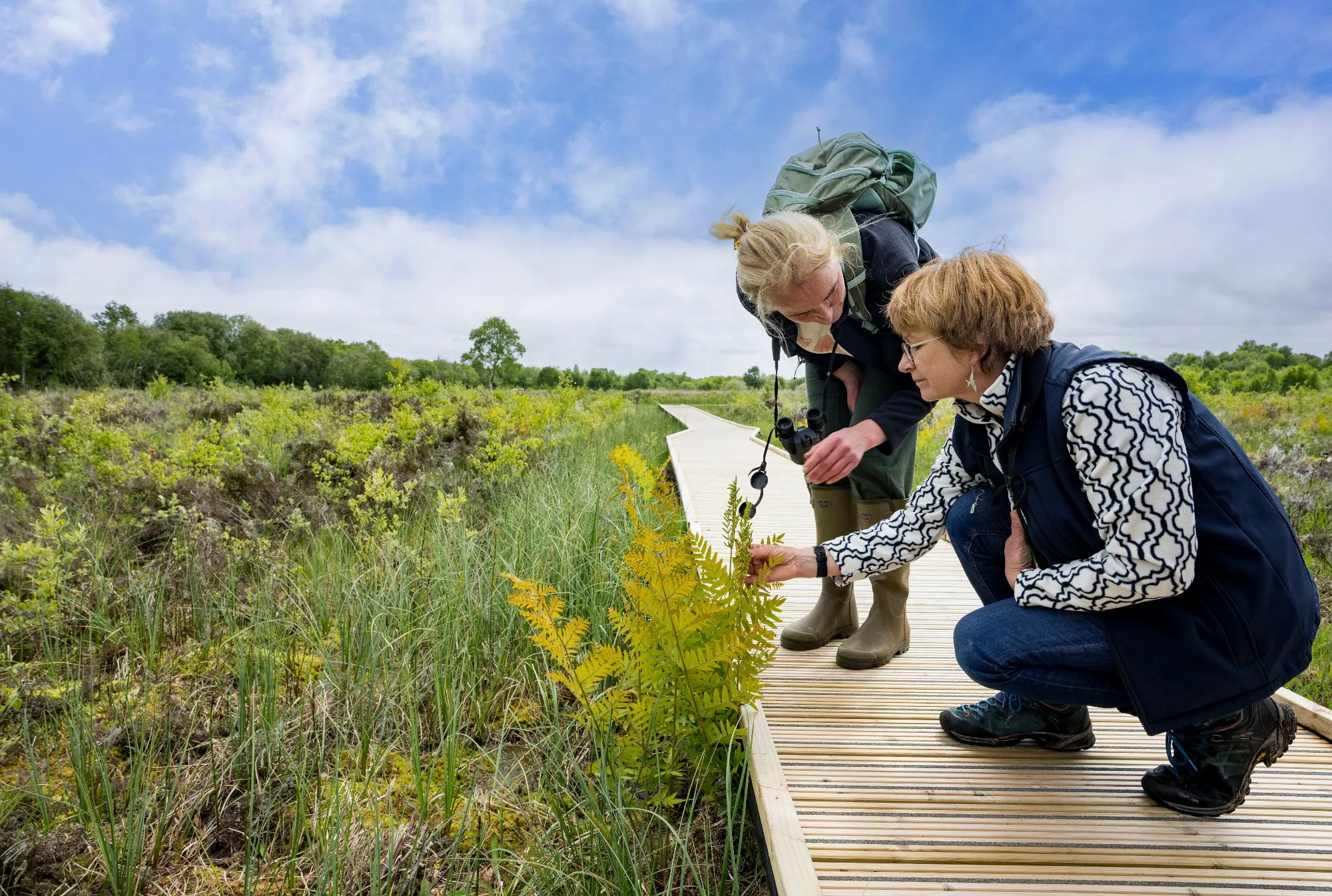
RSPB volunteering is good for nature and good for you! Whatever your skills, experience and availability, we have something for you.