Please help protect Coul Links
RSPB Scotland, together with the Conservation Coalition, has made it easy for people in Scotland and beyond to email Scottish Ministers urging them to refuse this damaging application.
We need your help to save this special place for wildlife.
5 min read.jpg)
For a second time, Coul Links is facing plans for an 18-hole golf course which would cause irreparable damage to this precious mosaic of dune habitats in the Scottish Highlands. Now it’s up to Scottish Ministers to decide the fate of Coul Links.
Thousands of you previously spoke out against very similar plans, and ministers refused that application in 2020. We urgently need your help again now.
.jpg)
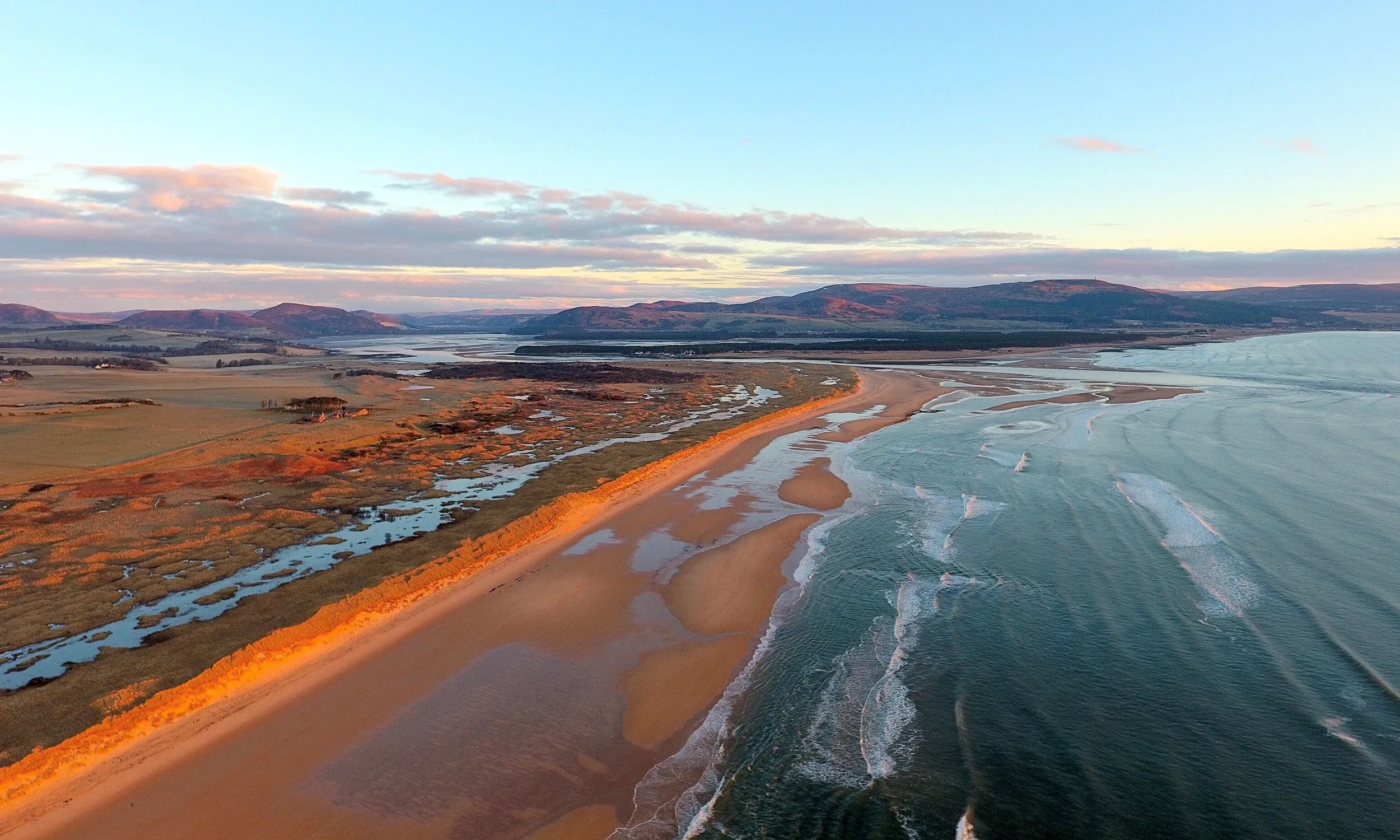
Coul Links is an extraordinary coastal dune system in East Sutherland in Scotland, home to rare and remarkable wildlife. The grasses, heather and wildflowers are abuzz with insects in the summer, while in winter the flooded dune slacks provide shelter for birds such as Teals and Wigeons, while Greylag Geese and Curlews feed in the nearby fields.
This complex mosaic of interconnected habitats is unique and fragile. It is part of three internationally and nationally protected nature sites. But this hasn’t stopped it from being threatened once again with development.
Coul Links is one of the last areas of undeveloped, species-rich dune habitat, but it has faced development threats before. In 2018, thousands of people asked the Scottish Government to scrutinise a planning application for a luxury golf course on the site due to its importance for nature. After a Public Inquiry and the recommendation from officials that the proposal should not be supported, the application was refused by Scottish Ministers in 2020. This landmark decision was very welcome not only for Coul Links but also in the context of the nature and climate emergency, and in showing the commitment shown by the Scottish Government to protected areas.
RSPB Scotland worked to save Coul Links as part of the Conservation Coalition. This coalition was made up of a number of environmental charities, including Buglife Scotland, Butterfly Conservation Scotland, Plantlife Scotland, Marine Conservation Society, National Trust for Scotland, RSPB Scotland and the Scottish Wildlife Trust. Separately, outdoor charities including Ramblers Scotland and ScotWays have serious concerns about the impact for walking and public access.
In February 2023, just over three years after the planning permission was refused, a new but very similar application for a golf course development on Coul Links was submitted to The Highland Council. In December of the same year, councillors narrowly voted to approve the application. This was despite the Planning Officer’s recommendation to refuse permission, over 700 public objections, and an objection from NatureScot – the national advisers on nature.
Ministers again ‘called in’ the application to be decided at a national level, and another public inquiry was held. RSPB Scotland and other Conservation Coalition partners took part, including at public hearings held in November 2024.
Now, it’s up to Scottish Ministers to decide the fate of Coul Links. Thousands of you spoke out against very similar plans previously, and ministers refused the application. We urgently need your help again now.
RSPB Scotland, together with the Conservation Coalition, has made it easy for people in Scotland and beyond to email Scottish Ministers urging them to refuse this damaging application.
Coul Links is particularly special as a complete dune system with dynamic, shifting dunes, static older dunes, seasonally flooded dune slacks, and ancient sand dunes covered by heath. Many of the animals, birds and insects that live here depend upon the ability to move between the different dune habitats at different stages of their life cycle.
Home to a number of different birds, many species are threatened and are either Red or Amber-listed as birds of conservation concern. The dunes also provide home to a colourful and rich variety of flowering plants and insects including some rare, specialist species. For example, Coul Links is home to the Fonseca’s Seed Fly, one of the UK’s rarest insects, restricted globally to a short stretch of coast in northern Scotland.
As RSPB Scotland Director Anne McCall explains:
"The wildlife we love is being pushed to the brink and for species to recover we need to protect the places that are most important for nature. Time and again people in Scotland and beyond have stood up for nature, joining us in calling for Coul Links to be saved from damaging development. As the Ministers consider their decision, we are once again asking people to join us in saying this unique and protected site is not the right place for a golf course.”

RSPB Scotland, together with the Conservation Coalition, has made it easy for people in Scotland to email their MSPs and Scottish Ministers, while people elsewhere in the UK can email Scottish Ministers urging them to refuse this damaging application. Just click on the link below to add your voice.
To read a more detailed case study and a timeline of events on Coul Links, visit Coul Links.


