When RSPB members speak up together, nature wins!
When more of us join together to campaign, we become a more powerful force for nature.

On this page
- 1. Sandeels fishery closure: challenged by EU, but upheld thanks to you
- 2. Nature-friendly farming: funding secured
- 3. Protections for nature strengthened in new planning bill
- 4. Saving over a million birds from potential poisoning risk
- 5. Four Great White Egret chicks successfully fledged in Wales for the first time
- The different ways you can help:
We’re the RSPB, and from the very beginning, our conservation work has been people-powered. It all started in 1889 when a small group of women campaigned for the end of the devastating plumage trade. Now, thanks to the passion of nature lovers like you, we’re a membership organisation of over 1.1 million people. When RSPB members speak up together, nature wins!
When you add your voice to ours, it makes a real difference. Every single supporter strengthens our call for change. We’re so much greater than just the sum of our parts. When we all come together, we’re a powerful force for nature.
This year, RSPB members have been vital in securing wins for wildlife. From amendments on Government Bills to protecting vital funding pots, the right people in the right places have listened when we’ve spoken up together. In this article, we’re celebrating some of the wins we’ve achieved as a team.
1. Sandeels fishery closure: challenged by EU, but upheld thanks to you
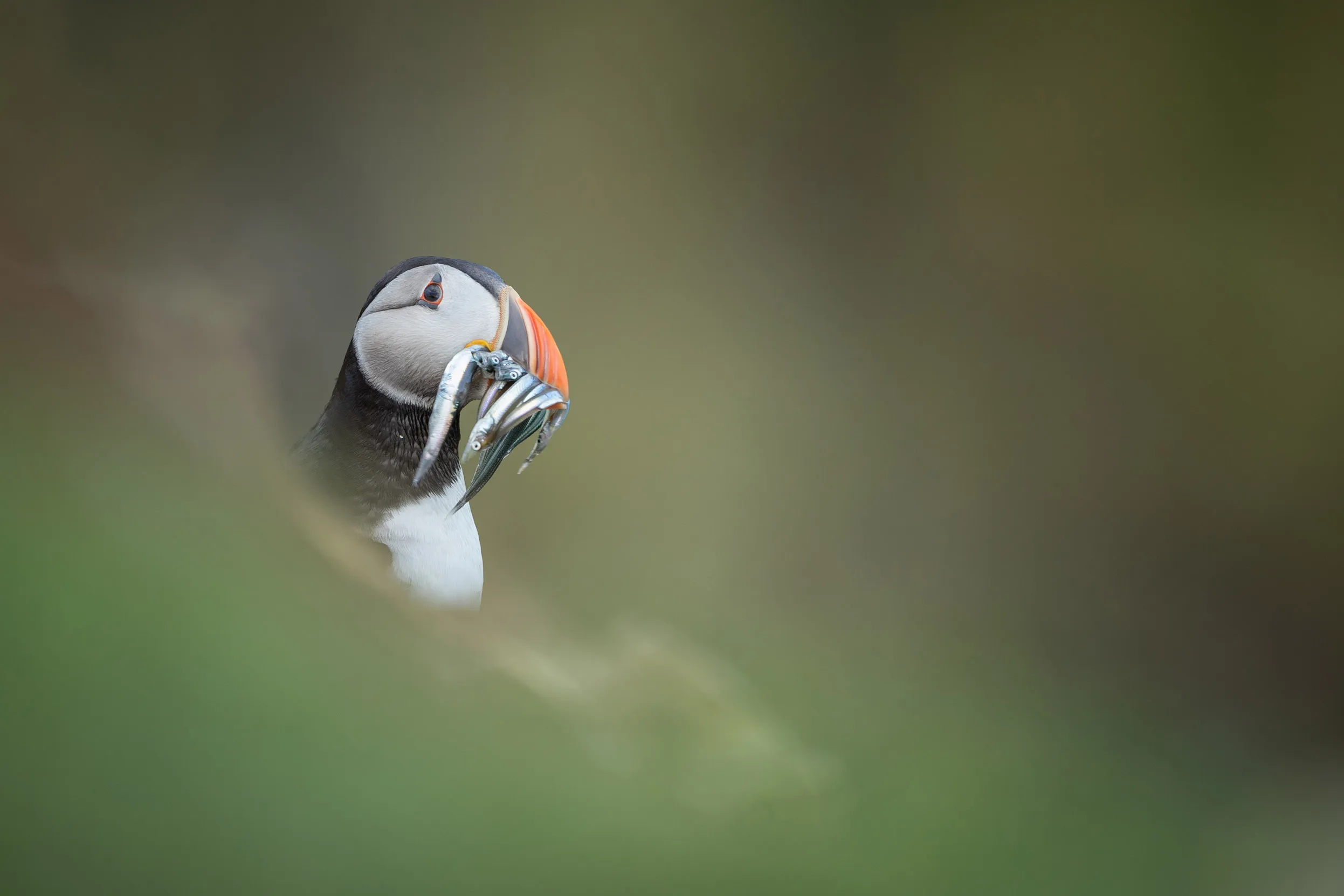
The UK is home to internationally important numbers of breeding seabirds. Kittiwakes nest on rocky ledges, Gannets rekindle lifelong partnerships and Puffins dive under water to catch prey for their Pufflings.
Many of our seabirds rely on sandeels to feed their chicks. However, climate change and over-fishing have vastly depleted sandeel populations, having a devastating knock-on effect on seabirds. After decades of campaigning, supported by our members, the UK and Scottish Governments’ decision to close the sandeel fisheries in 2024 offered a vital lifeline to struggling seabirds. But a challenge by the EU threatened to overturn this.
After going to arbitration earlier this year, the Arbitration Panel has found the ecological case against industrial sandeel fishing is sound and the UK has the right to stop this damaging fishing in its waters. The closure was only possible because of RSPB members, supporters and campaigners who stood with us on this issue for over 25 years. Thanks to them, our leading science could show the importance of this food source for the future of our precious species and gave us the platform to highlight the cause.
2. Nature-friendly farming: funding secured
When we invest in nature-friendly farming, we invest in a brighter future for our wildlife, our farmers and all of us. It’s an investment in food security, an investment in a stronger economy and an investment in wildlife. The nature-friendly farming budget is nature’s biggest funding pot in England, and our members helped to make sure it remained secure when the Comprehensive Spending Review took place in June.
Over 100,000 of you signed our petition, calling on the Chancellor to protect and grow England’s nature-friendly farming budget. Our members support allowed that campaign to reach more people, and standing shoulder-to-shoulder with farmers, we delivered it to 10 Downing Street in May.
On Wednesday 11 June, the Chancellor committed to spending £2 billion a year on nature-friendly farming, and £400 million to plant trees and restore peatlands over the next three years. This was the biggest ever annual nature-friendly farming budget. It's a win for nature, for farmers, and for all of us.
.jpg)
3. Protections for nature strengthened in new planning bill
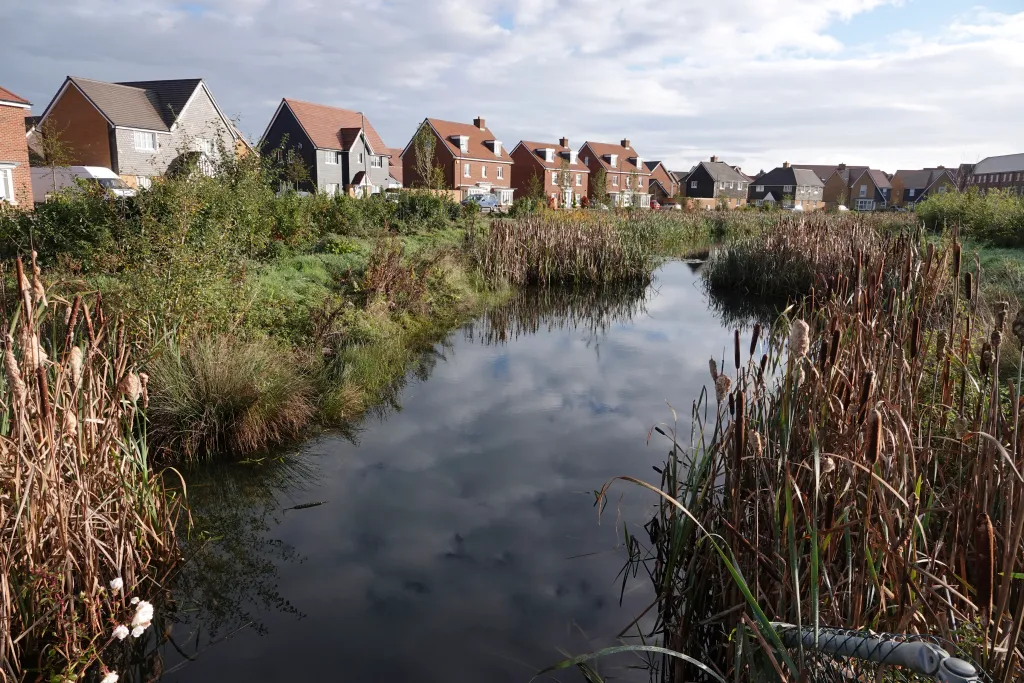
In March 2025, the UK Government introduced the Planning and Infrastructure Bill. Whilst its aim is to speed up the delivery of new infrastructure and housebuilding, the RSPB, other conservation organisations and the Government’s own environmental watchdog, raised serious concerns about the Bill’s weakening of nature protections in England.
Whilst campaigning continues, we've already seen some positive impacts thanks in no small part to thousands of RSPB members and supporters contacting their MPs. Most significantly, in July the UK Government announced a number of amendments to the Bill aimed at addressing our concerns. It shows that when we speak up, politicians will listen - all thanks to the strength of over one million members.
But we’re not out of the woods yet. The Bill still has a couple of stages to go before it's made into law, and we'll keep fighting to make sure nature is protected throughout.
4. Saving over a million birds from potential poisoning risk
This year, we celebrated the introduction of new restrictions on the use of lead shot – an unwelcome side effect of the shooting industry. Up to 100,000 waterbirds, including swans and ducks, die every year from accidentally ingesting lead shotgun pellets. Evidence from the Health and Safety Executive suggested that without the ban, at least 1 million birds would be at risk from lead over the coming decades, including around 40,000 birds of prey.
The new restrictions will ban shot containing more than 1% lead and bullets with a lead content of more than 3% in England, Scotland and Wales. Together with WWT, Wildlife and Countryside Link, CHEM Trust and Wild Justice, we wrote an open letter to the Secretary of State for the Environment, Food and Rural Affairs, Steve Reed, calling for a transition period towards a full lead ban of no more than 18 months.
While the restrictions fall short of a full ban, it is a long-awaited step in the right direction. Our members have supported this campaign for decades and helped to give our words weight.
And finally, our wins on the ground are just as important as our campaigning moments.


5. Four Great White Egret chicks successfully fledged in Wales for the first time
Our policy successes have only been possible because they’re rooted in our ecological expertise, homegrown from our nature reserves and our world-leading conservation science centre. Our voice is listened to because we can show we’ve got what it takes to help nature to thrive.
This year, Great White Egrets bred successfully for the first time in Wales, at RSPB Cors Ddyga, with four chicks fledging from two nests. Members of the heron family, Great White Egrets only recently began breeding in the UK, as their breeding range has re-expanded across Europe, thanks largely to conservation efforts.
At the RSPB, we’ve been managing wetland habitat since we took on our first nature reserves in the 1930s. Since then, we’ve been a pioneer of reedbed creation and management, and our conservation work has brought species like Bitterns back from the brink. Wetland creation and management by the RSPB has also benefitted many other wetland species, including birds such as Spoonbills, Cranes and Marsh Harriers, whose UK breeding populations depend almost entirely on nature reserves.
Now, with one in six species at risk of disappearing from Great Britain, and 12% of species facing extinction from Northern Ireland, protecting and restoring habitats through both policy and on-the-ground management has never been more important.

The different ways you can help:
At the RSPB, we need our members support so we can continue to inspire governments across the four countries to strengthen their environmental policies. We need to continue to share conservation stories, like the Great White Egret, to demonstrate just how important nature’s recovery is.
Along with signing petitions and emailing politicians, there are other ways you can take action for nature, champion our work and protect the UK’s wildlife. Just by heading to your local RSPB nature reserve and refreshing with a cup of shade-grown coffee in our cafés helps to support our conservation work – and it'll revitalize you too!
With our members on board, we know that we can continue to turn it around for some of our most threatened species. RSPB members continue to support on-the-ground conservation on our reserves and are helping us to influence national policy. This year, their support has helped us to achieve some of our biggest wins to date.
Thank you for making it possible.