
Want to know more?
For even more inspiring conservation stories, read the full Wildlife on Reserves report.
Our new Wildlife on Reserves report is out now, revealing the ups and downs of wildlife in 2025.
5 min read
From bustling seabird cliffs to ancient woodlands alive with birdsong, RSPB nature reserves are some of the UK’s most important places for wildlife.
Nearly a century after our first reserve was created in 1930, the network now includes more than 220 sites. Together, they cover an area larger than Greater London or Bannau Brycheiniog National Park in Wales.
They’re home to more than 18,500 species, from iconic birds like White-tailed Eagles to less well known – but no less important – insects, plants and fungi.
But these places aren’t just for wildlife. They’re also fantastic places for people to experience nature, whether it’s spotting Red Squirrels scampering through the treetops or watching flocks of whirling waterbirds in winter.
Behind the scenes, RSPB staff, volunteers and specialist surveyors monitor the wildlife on our reserves each year. This helps us understand how nature is doing, informs how we manage our reserves, and shapes conservation work far beyond their boundaries.
So, how did wildlife fare in 2025?
There was plenty to celebrate in 2025. Here are just five of the highlights.
2025 was a brilliant year for Dartford Warblers on RSPB reserves, with 264 pairs recorded – the highest number ever.
It’s an incredible turnaround for a bird that nearly disappeared from the UK altogether. Back in 1963, there were fewer than a dozen breeding pairs left in the UK, all of them in Dorset. Recognising the importance of this area for Dartford Warblers, the RSPB bought Arne in Dorset soon after – and has managed it for nature ever since.
Today, Arne is a stronghold for the species, with this site alone supporting 97 pairs in 2025.
There were record numbers at Farnham Heath and Broadwater Warren, too. Just 20 years ago, both of these sites were mostly conifer plantation, but careful restoration has transformed them into open heathland, allowing Dartford Warblers and other specialist wildlife to return.
Without active management, heathland gradually turns to woodland – and the species that rely on this rare habitat disappear with it. That’s why conservation at heathland reserves isn’t just about protecting the site, it’s about managing it year after year.

Ringed Plovers nest on the ground, often on sand and shingle beaches. With camouflage alone to protect them, their eggs and tiny chicks are vulnerable to wild predators, dogs and disturbance by visitors to the UK’s increasingly crowded coasts.
Between 1984 and 2007, their numbers fell by more than a third in the UK. But on RSPB reserves – and beyond – staff and volunteers are helping turn things around.
At Wallasea Island in Essex, volunteers protected nests with cages and monitored them throughout the breeding season. Thanks to their efforts, 10 pairs successfully fledged 23 chicks in 2025. It was also a good year for breeding Ringed Plovers at Titchwell Marsh and Snettisham in Norfolk.
Our work for Ringed Plovers doesn’t stop at reserve boundaries. Through projects like Plovers in Peril at Heacham beach near Snettisham, teams work with local communities and visitors to show how small actions – like keeping dogs away from nesting areas – can make a big difference.

Beavers were once widespread across the UK but were hunted to extinction here centuries ago. Now, they’re making a comeback.
The RSPB is part of a wider effort to reintroduce Beavers to suitable landscapes in the UK, where they can once again act as nature’s engineers.
By building dams and creating pools, Beavers slow the flow of water, helping wetlands hold onto it for longer during dry spells, and creating rich habitats for other wildlife.
At Insh Marshes in the Highlands, reintroduced Beavers bred successfully in 2025. Here, their dams helped keep the landscape wet during an exceptionally dry summer, benefiting a wide range of species.

Each year, more than 250,000 seabirds flock to Rathlin Island, just off the coast of Northern Ireland, to raise their chicks.
For decades, these birds faced a major threat from invasive ferrets and rats, which preyed on eggs, chicks and even adults. In one incident, a single ferret killed 27 Puffins in just two days.
Now, thanks to a major partnership project led by RSPB Northern Ireland and the Rathlin Development and Community Association – supported by several other partners – ferrets have been eradicated from the island.
And the response from seabirds has been remarkable.
In 2025, Manx Shearwaters bred on Rathlin for the first time in around 40 years and Puffin numbers nearly doubled compared to 2024. Black Guillemot numbers also reached a new high, with more than half nesting on the RSPB’s reserve.
These results show just how quickly seabirds can recover when threats are removed.

With their long, elegant legs and snow-white feathers, Great White Egrets were once a real rarity in the UK, but they’re becoming an increasingly common sight.
In 2025, 56 pairs nested across five RSPB reserves, making it their best year yet.
Most excitingly, the species bred in Wales for the first time, with two pairs choosing to nest at Cors Ddyga on Anglesey.
Their spread is probably partly linked to a warming climate, but also to their greater protection in Europe, and the creation and restoration of wetlands. As new habitats are developed, they provide the perfect conditions for these birds to settle and breed.
It’s a reminder that, by making space for nature, we can help species move, adapt and thrive.

Alongside these successes, there were struggles too.
A warm, dry spring and early summer – including the hottest June on record in England – had serious impacts for wildlife.
Wetlands dried out just as chicks were hatching, leaving them with less food and making them more exposed to predators. Across many reserves, breeding success for wading birds was poor, with some sites seeing no chicks fledge at all.
Out at sea, marine heatwaves reduced the availability of fish, making it harder for seabirds at places like Bempton Cliffs and Coquet Island to feed their chicks.
The reality is that extreme weather is becoming more common. But nature reserves can help mitigate its impacts. By managing water levels, restoring habitats and planning for future conditions, we’re helping wildlife cope with a changing climate.
In fact, work that began decades ago is already paying off. Inland reedbeds created to offset the loss of coastal wetlands to rising sea levels are now supporting Bitterns, which had another record year on RSPB reserves in 2025.

Avian flu continued to affect seabirds in 2025.
Although outbreaks were less severe than in previous years, some colonies were still hit hard. At Coquet Island and Carlingford Lough, many Sandwich Tern chicks were lost.
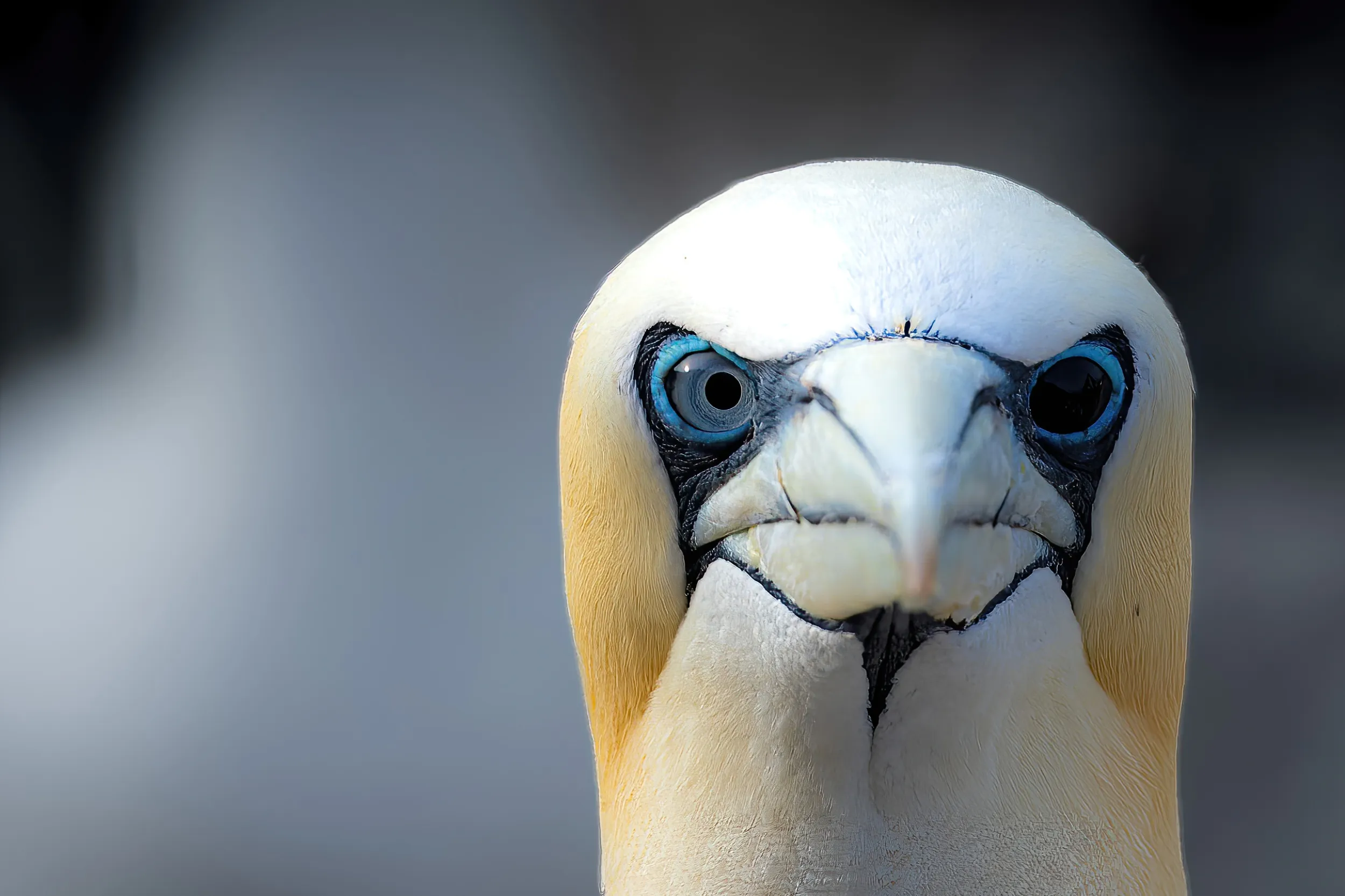
For some species, the effects of earlier outbreaks are still being felt. Gannet numbers remain well below pre-outbreak levels and could take 20 years to fully recover. At Grassholm in Pembrokeshire, their population is still around half its former size.
The stories in this report show just how important RSPB reserves are for some of our most threatened wildlife. But their role goes further than protecting individual species.
Our reserves are varied landscapes where we can test new ideas, restore habitats and find better ways to help nature recover. What we learn can then be applied far beyond reserve boundaries.
And these spaces matter for people too, offering a chance to explore, unwind and reconnect with the natural world. Why not find a nature reserve near you and experience it for yourself?

Every success in this report is thanks to a huge collective effort. Members, supporters, volunteers, staff, partners and funders all play a vital role.
Together, we’re showing that when people come together for nature, positive change is possible.
Thank you for being part of it.
For even more inspiring conservation stories, read the full Wildlife on Reserves report.


