
Read the full report
You can download the full Wildlife on RSPB Reserves 2024 report here.
Our latest Wildlife on Reserves report is out. Here are some of the highlights.
10 min read
We look after 220 plus nature reserves across the UK covering 160,000 hectares – that’s an area larger than the size of Greater London or the Bannau Brycheiniog National Park (formerly known as the Brecon Beacons National Park). They’re what makes the RSPB truly unique.
Together, these special places for wildlife are home to an amazing 18,500 plus species, many of which are rare and struggling elsewhere. The fortunes of some of these species would be very different without the RSPB. As well as being vital havens for nature, they are also some of the best places to see wildlife. Visit an RSPB nature reserve and depending on where you go, you could hear a Bittern booming from the reedbeds, see a White-tailed Eagle soaring overhead, hear a Nightingale sing, or glimpse a Red Squirrel darting through the trees.

To help us understand how the wildlife is doing, staff and volunteers carry out surveys on our nature reserves every year. Wildlife on RSPB Reserves in 2024 provides a summary of how wildlife fared on them last year.
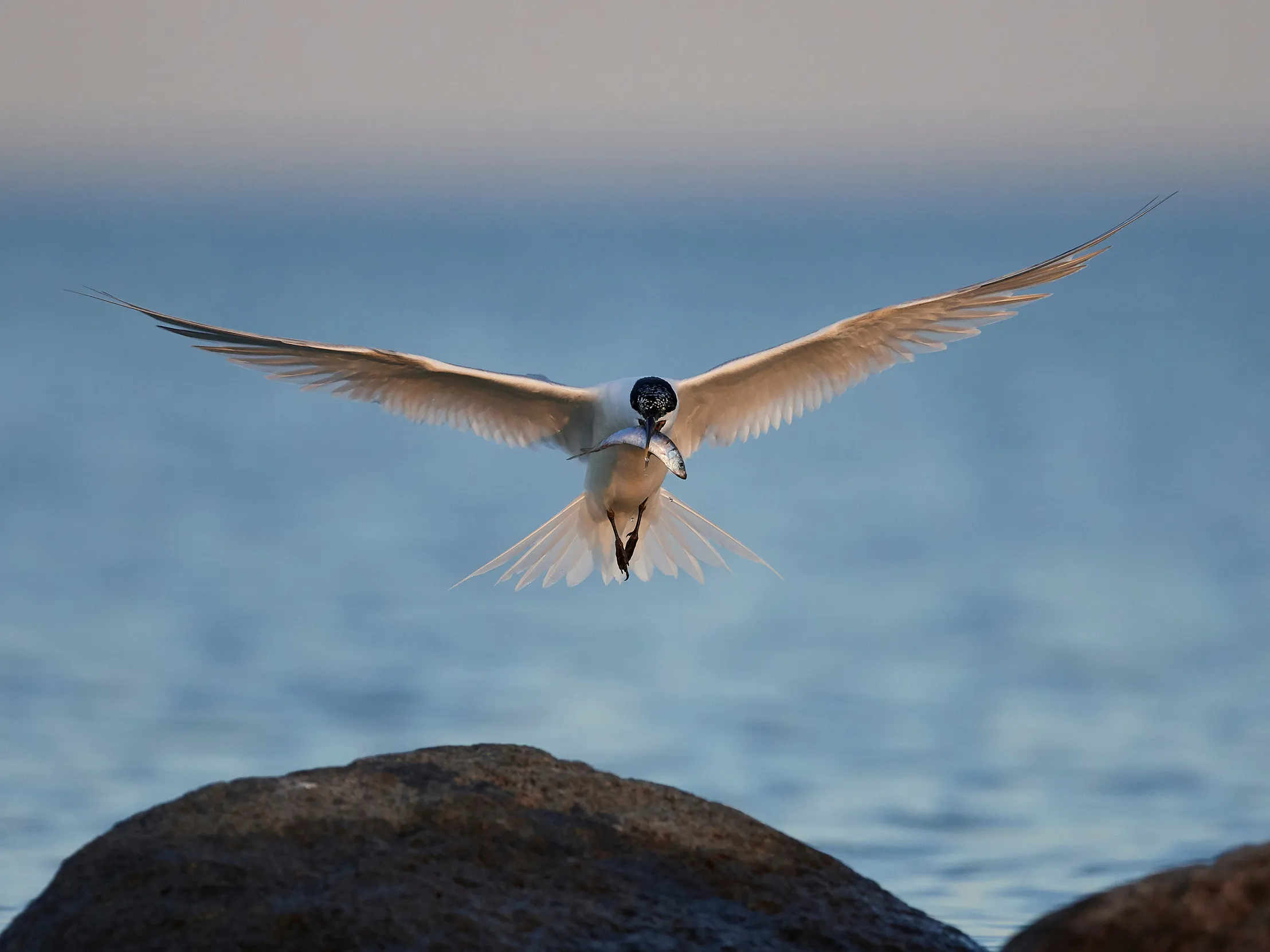
As with previous years, 2024 was a mixed year for wildlife on our nature reserves and some species have struggled. Avian flu continued to have an impact on some seabirds with low breeding populations of Sandwich, Arctic and Common Terns on our reserves last year.
Extreme weather, increasingly more common due to our changing climate, has also negatively impacted some species. In 2024, long periods of wet weather caused prolonged flooding on several of our lowland wetland reserves. Extensive flooding during the breeding season at the Ouse and Nene Washes, resulted in lower numbers of breeding Lapwings, Redshanks and Snipe.
Meanwhile, conservation efforts such as habitat creation and restoration continue to pay off. For example, restoring heathland at several nature reserves, including Minsmere in Suffolk and Arne in Dorset, has brought benefits, including an increase in Nightjar numbers.
We’re delighted to share that 2024 saw a number of significant successes, with wildlife from birds to insects bugs doing well. Here are some of the highlights:

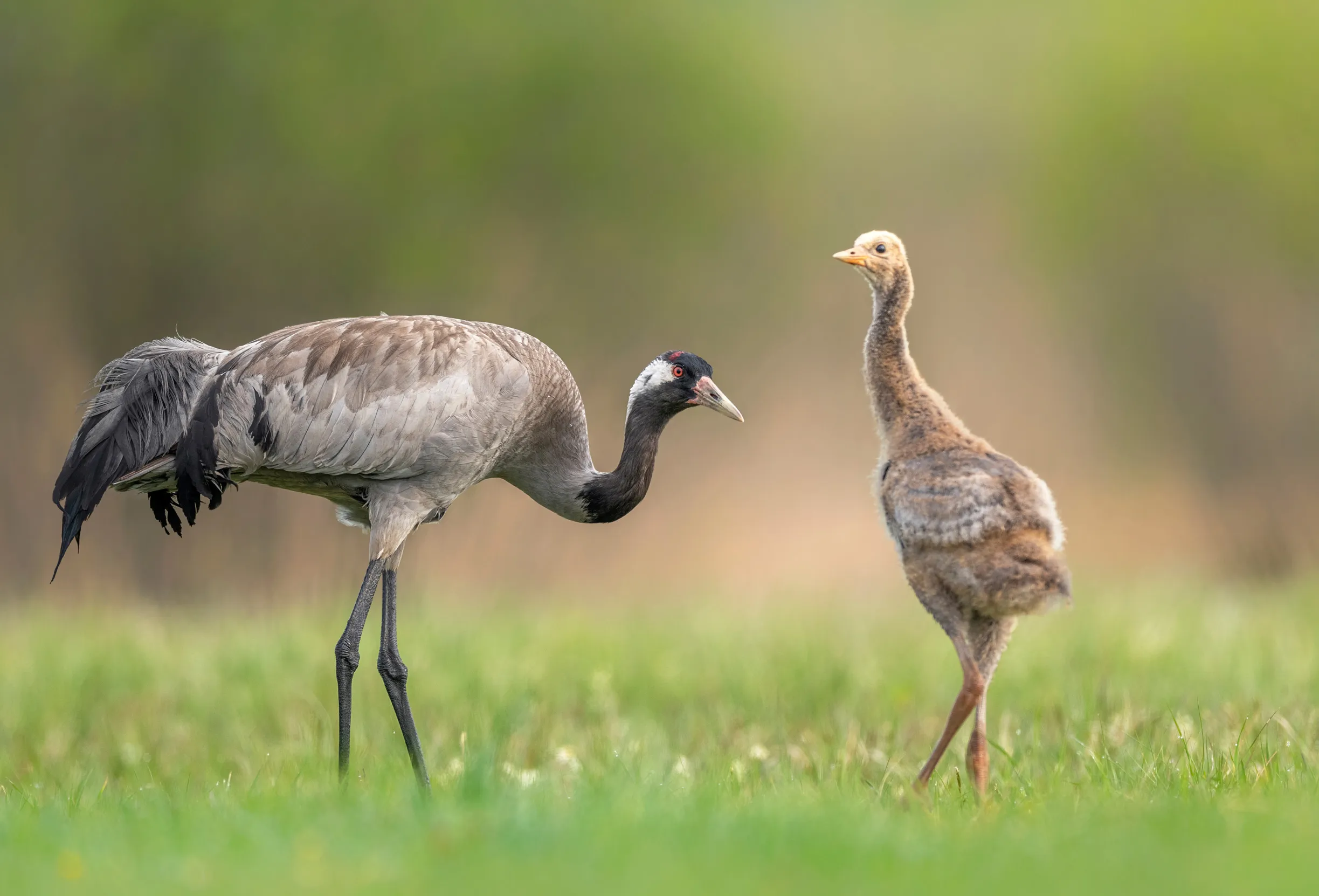


Populations of these four wetland birds have continued to increase, and they have also spread into new areas. These rare birds are benefiting from the creation of new wetland habitats and careful management of RSPB wetland nature reserves.
The total number of booming Bitterns on RSPB reserves increased to another record high, jumping from 116 booming males heard in 2023 to 138 in 2024. Crane numbers on RSPB sites reached a new record in 2024, with 30 pairs recorded, compared to 25 pairs in 2023.
Spoonbills had a spectacular year with a big increase at Fairburn Ings from five to 17 pairs. Spoonbills also bred for the first time in Cambridgeshire in about 400 years, nesting at the Ouse Washes. Overall, the total of 38 pairs of Spoonbills on RSPB nature reserves fledged at least 74 young.
Great White Egrets continue to grow in numbers and spread across the UK and in 2024 they bred for the first time in Scotland. Across RSPB nature reserves as a whole, at least 72 young Great White Egrets fledged successfully in 2024.
The UK’s only Roseate Tern colony at Coquet Island, Northumberland, broke a record with 175 young fledged – the highest number of fledged chicks ever. The colony was heavily affected by avian flu in 2022 and 2023, making these results a particular glimmer of hope for these rare birds.
On Coquet Island we’ve also built nestboxes and tern terraces for the Roseate Terns, offering a place to nest with a lower risk of predation. There’s no public access to the island, which also reduces disturbance to the nesting birds by people.

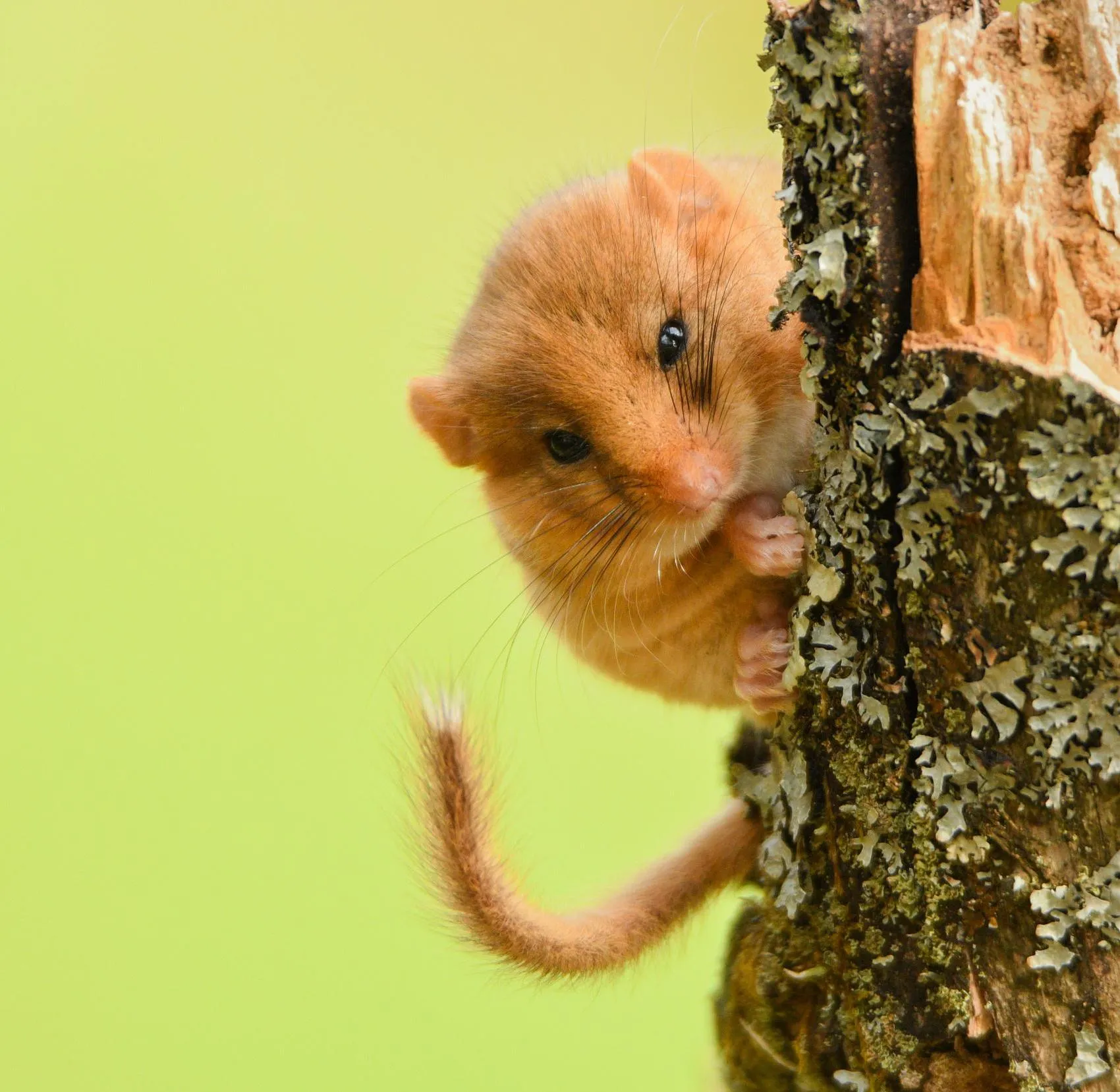
Dormice numbers in the UK have halved since 2007 and they are now classified as a threatened species, listed as Vulnerable on the IUCN Red List.
2024 saw the first confirmed records of Hazel Dormice at Leighton Moss. These dormice have colonised the reserve naturally, following their reintroduction at the neighbouring Haweswater/ Gait Barrows SSSI (Sites of Special Scientific Interest). We also recorded Hazel Dormice at Exminster Marshes, Highnam Woods, Ynys-hir and West Sedgemoor.
2024 was another successful year for Beavers. In Scotland, we’re part of a project to return Beavers to the Cairngorms National Park, led by the Cairngorms National Park Authority, working closely with partners, land managers and local communities. In spring, an additional pair of Beavers was released at our Loch Lomond reserve, as well as three Beaver families at different areas of Insh Marshes. These Beavers have been seen regularly on trail cameras on and around Insh Marshes throughout 2024.
Meanwhile in England, Beavers that are already present in the wild are expanding their range, with the mammals colonising a second RSPB nature reserve in the south of the country.

RSPB nature reserves are also important for beetles, insects, spiders and other invertebrates. Survey work in 2024 brought the total number of bees recorded at our Cliffe Pools reserve in Kent to an astonishing 110 species – that’s almost half of the UK’s native bee species. Meanwhile on RSPB nature reserves around the Thames Estuary a number of rare insects, including the Fiery Clearwing, Dainty Damselfly and Maid of Kent beetle, were discovered. The Maid of Kent is an incredibly rare and fascinating beetle: it mimics a bumblebee and hunts for prey in cow pats and horse dung.

Extreme weather can have a major impact on wildlife. Last year we experienced long periods of wet weather in some areas of the UK, which caused problematic flooding on many wetland nature reserves. Extensive prolonged flooding hampers our ability to carry out crucial habitat work and can also impact on the breeding success of some wetland birds.
The changing climate informs our work. For more than 20 years, we've been taking the projected changes into account and actively managing our nature reserves to mitigate against changes that have a negative impact on wildlife. Back in the 1990s, we created freshwater reedbeds inland, to compensate for the expected loss of coastal freshwater reedbeds. This has played an important role in the successful rise in Bittern numbers, providing these reedbed specialists with essential habitat.
Our climate change adaption work continues. For example, we are working to re-wet peatlands in the uplands to benefit both wildlife and the climate. Along the coast, we’re working to create mudflats, saltmarsh and coastal lagoons to help offset expected future loses of these habitats caused by rising sea levels.
We’re very proud of our nature reserves and their vital role in protecting wildlife. From the UK’s only Roseate Tern colony at Coquet Island, to supporting more than 10% of the British wintering population of nineteen species of wildfowl and wading birds, they are vital for the future of our wildlife. But protecting special places and species isn’t the whole story.
Our nature reserves showcase best practice in conservation, with restored and transformed habitats, like Ouse Fen, where we’re creating the UK’s largest freshwater reedbed. And they form part of a wider connected landscape, such as the East Coast Wetlands, helping wildlife thrive across vast regions.
These are places for people too, offering wonder and beauty in nature, and cared for by dedicated teams, including many volunteers. Through their reach, their power, and their conservation successes, RSPB nature reserves show how, when people get together for wildlife, positive change can happen.
The success stories described in the Wildlife on RSPB Reserves report show the important role that nature reserves play in helping wildlife recover and thrive. And with the UK currently one of the most nature depleted countries in the world, these wild places for nature are vital. However, this work to save and nurture wildlife on our nature reserves wouldn't be possible without our many volunteers, partners, funders, members and supporters. Thank you for all you do to help our vital conservation work across our network of nature reserves.
Together, we fly.
You can download the full Wildlife on RSPB Reserves 2024 report here.


