
Advice
Feeding birds near you
If you want to attract birds to your garden, you’ve come to the right place.
Find out more about key management policies here, including detailed and downloadable policy statements.
The RSPB works to save birds and other wildlife. Nature is in crisis, and this is largely due to human impacts on the environment. We’re committed to being a nature-positive organisation. We’ve had a greening programme in place since the 1990s. We’re committed to embedding good environmental practice across our business operations, demonstrated by the fact we have achieved the Green Dragon Level 5 Environmental Standard certification.
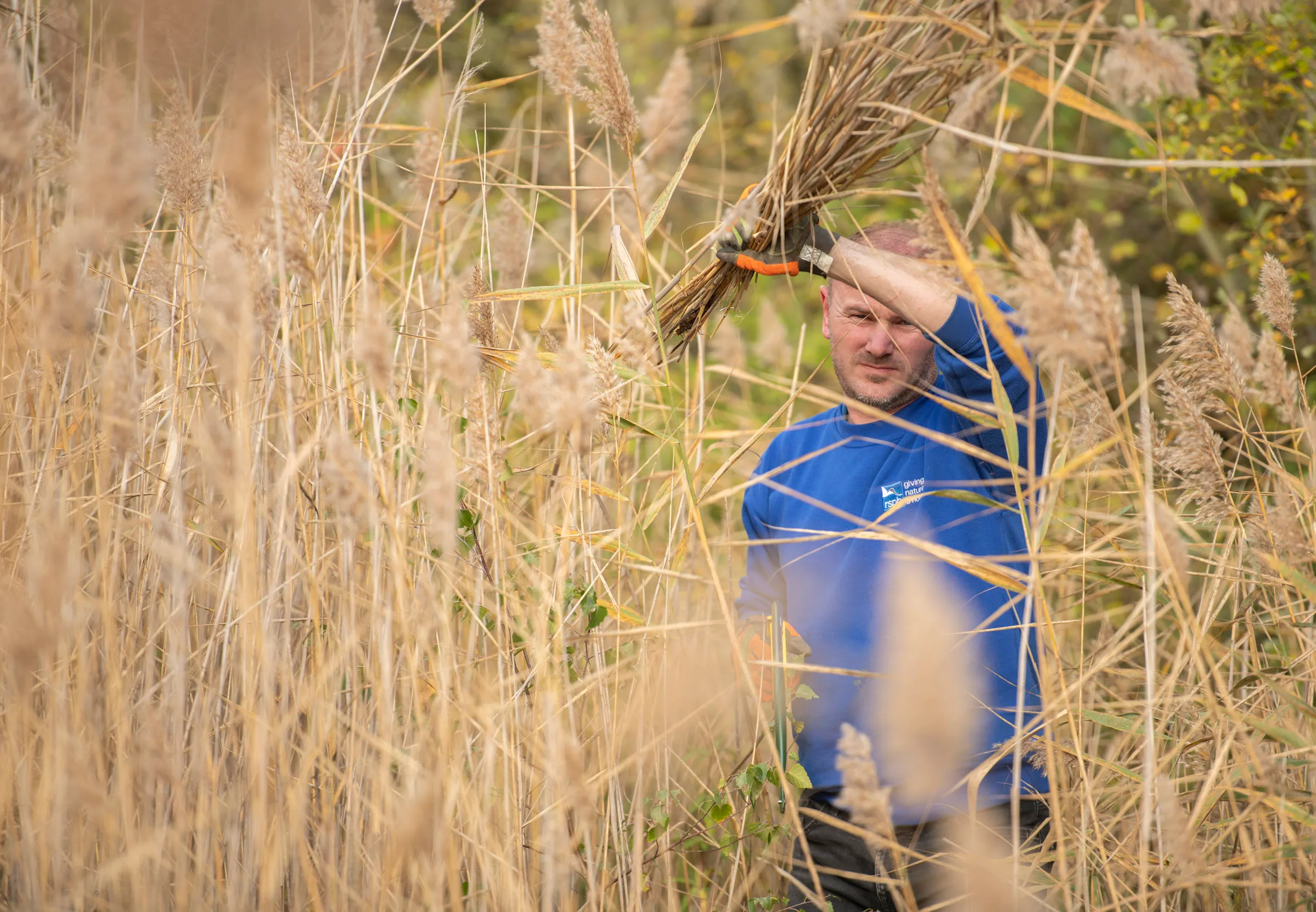
Our volunteers are very important to us, and it takes a special type of person to volunteer. Without our volunteers, we wouldn’t be able to do everything we need to do to create a shared world where wildlife, wild places and all people thrive.
We’re committed to giving volunteers the best possible volunteering experience.
As an organisation that works with children and vulnerable adults, the RSPB acknowledges its duty of care to safeguard and promote the welfare of children and vulnerable adults. We are committed to ensuring our safeguarding practice reflects statutory responsibilities, government guidance and complies with best practice and regulatory requirements wherever we operate as a charity.
Like nature our survival depends on diversity. Nature has no borders and neither do we. We recognise that everyone is individual and different and value what that difference brings to the RSPB. We want to support everyone to unlock their potential and better reflect the communities in which we work.
We have published our gender pay gap data in line with UK government legislation - see the download for our report. The gender pay gap looks at the difference between average hourly salaries of men and women across the organisation, and gender composition of workforce by seniority. We are continuing to work on ways to address our gender pay gap and some of these are highlighted in the report.
Our bullying and harassment policy ensures that all employees can confidently raise concerns about their employment openly, and have any problems recognised and resolved in a fair, timely and consistent manner.
To help us build our relationship with our supporters, learn from your suggestions and provide opportunities for you to engage with us, we want to encourage your feedback.
We listen carefully to the feedback you give us, including via traditional and social media channels. Our Supporter Services team offers help with queries about wildlife, conservation, membership. Staff on our reserves and at public events are always happy to help.
Some feedback requires a formal response. Here’s our complaints policy and procedure.
Complaints policy
Given the nature of the RSPB’s work, serious incidents do occur from time to time. The RSPB’s approach to serious incidents is to go further and manage their impacts, as well as prevent them from re-occurring.
Risk management is considered in every aspect of the RSPB’s work. Our risk review process assesses each of the major risks, and the effectiveness of the arrangements for managing them. The RSPB’s risk management policy balances the need to be ambitious in pursuit of our mission and strategic objectives, while remaining careful stewards of the charity’s resources.
Our policy explains how Council members and senior staff should recognise, report and manage situations and/or activities in which they might have a conflict of interest.
All Council members owe a duty of loyalty to the RSPB and its charitable objects and do not act as representatives of any other interests whilst representing RSPB. Following their election to the RSPB Council, each new trustee completes a register of interests and related party transactions.
Additionally, the RSPB performs extensive checks prior to nomination of trustees as required through regulation. The complete register of interests is available to all members of Council and to our auditors, and is updated annually.
Council Members (Trustees) receive no payment for their services to the RSPB. They may be reimbursed for reasonable expenses incurred on RSPB business. These are subject to RSPB byelaws and internal policies, in line with the guidance provided by the Charity Commission.
All employees, including the Chief Executive and the Executive Board, are covered by the same remuneration policy, based on externally-benchmarked salary bands. The remuneration policy is approved by Council and subject to periodic review.
To ensure clear governance and transparency, the remuneration of the Chief Executive is overseen by the Nominations and People Committee. The performance of the Chief Executive is subject to formal appraisal against previously agreed measures and is discussed at an annual appraisal meeting. Any recommendation for progression is made in line with the RSPB’s pay policy for all employees. The Chief Executive is responsible for overseeing the salaries of the Executive Board in line with the same policy.


