Feature

Our vision for the Suffolk Coast and the Broads priority landscape

How we’re working with others to protect and restore this landscape’s important coasts, heaths and wetlands for nature.

Avocet, Black-tailed Godwit, Ruff wading with Dunlin, Red Knot and Little Stint at RSPB Minsmere
On this page

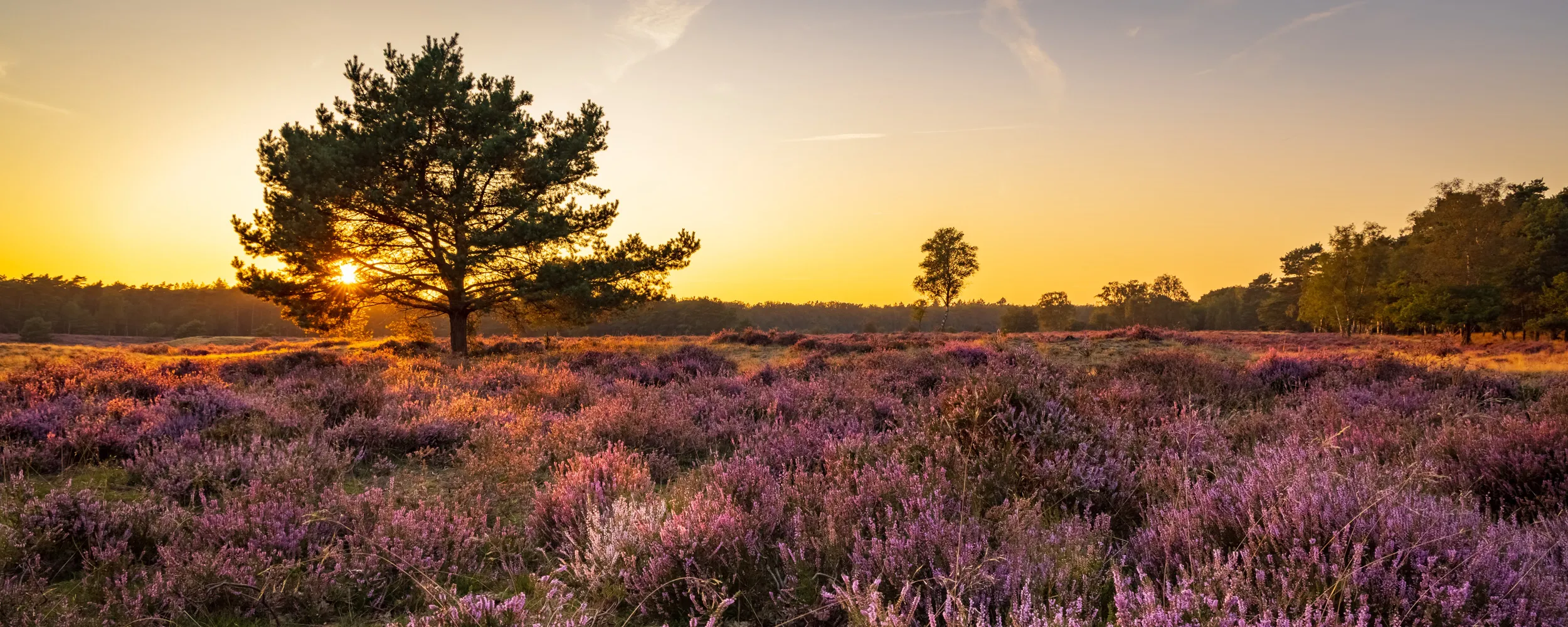
Our vision for this priority landscape is a thriving, connected landscape of coastal and freshwater wetlands, alongside a network of Sandlings Heath, surrounded by wildlife-friendly farmland. It’s a place defined by people working together for nature, and a sustainable future in the face of a changing climate and coastline. 

About the Suffolk Coast and the Broads priority landscape

This landscape stretches from the northern reaches of the Ant Valley in the Norfolk Broads to the southern bank of the Stour Estuary. The area is recognised as a sanctuary for wildlife. However, we need to help this landscape, its people, and wildlife to adapt to the challenges of a changing climate and coastline. 

RSPB North Warren, reedbeds and grazing marshes

Where is the Suffolk Coast and the Broads priority landscape?

The priority landscape is located across Norfolk and Suffolk.

Key habitats and species

Key habitats

  • Coastal and marine habitats, including beaches used by nesting birds, saltmarsh and saline lagoons. 
  • Freshwater wetlands, including fens, reedbeds, and grazing marsh. 
  • Lowland heath, acid grassland and farmland. 

Key species

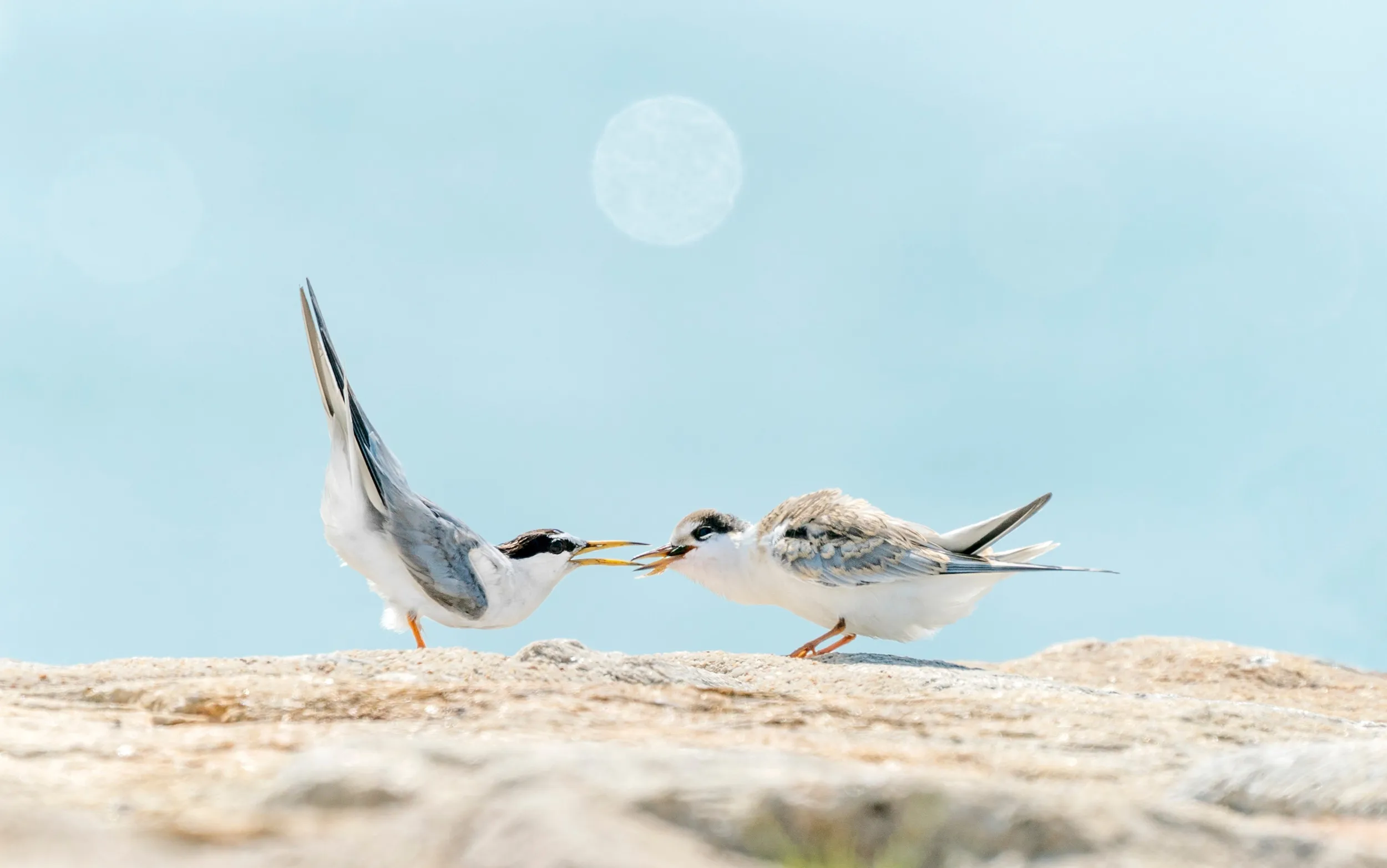
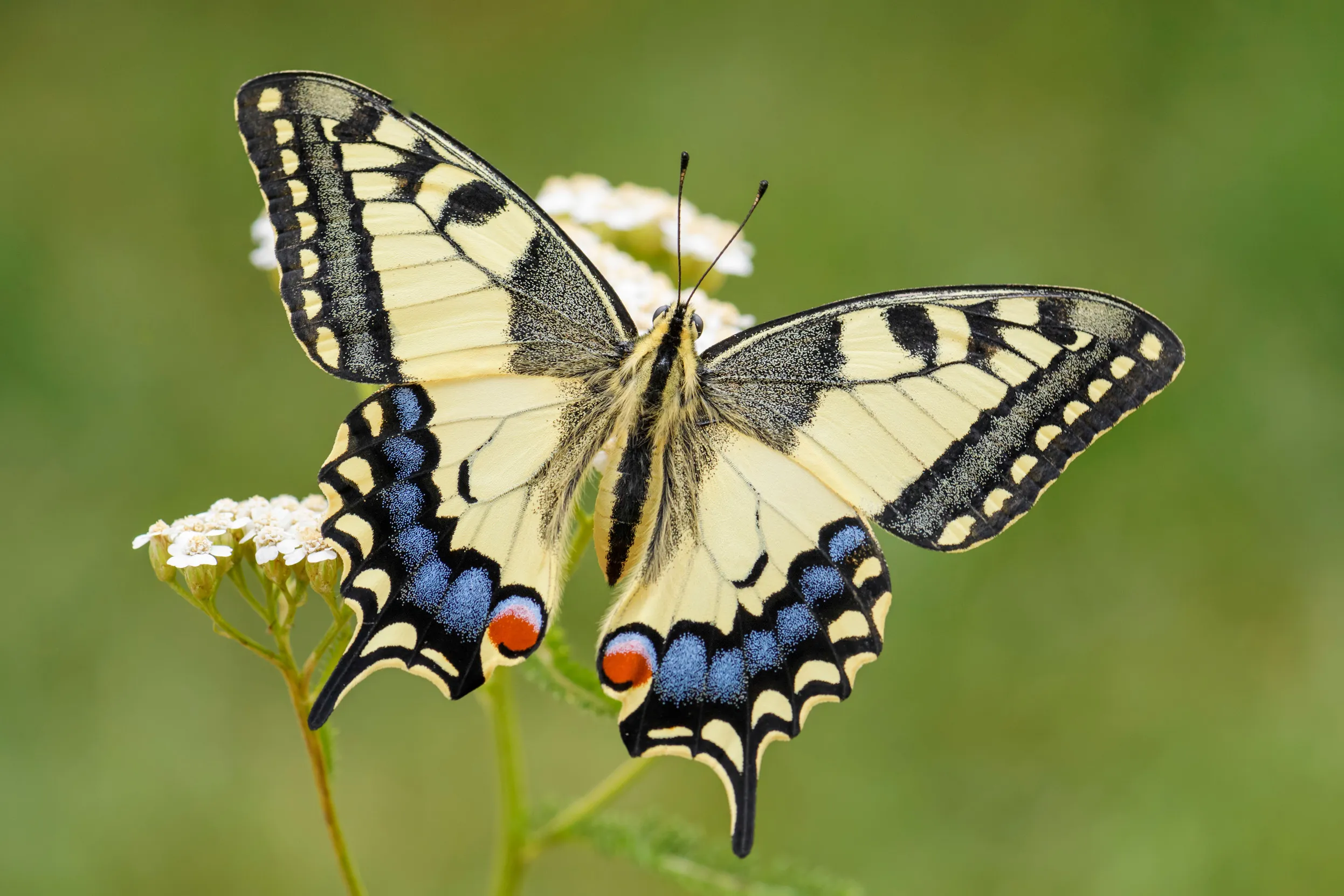
  • Little Terns, Sandwich Terns, Oystercatchers, Ringed Plovers, Avocets, Lapwings, Redshanks, Kittiwakes, Cranes, Bitterns, Marsh Harriers, Bearded Tits, Swallowtail Butterflies, Fen Orchids, Turtle Doves, Woodlarks, Nightjars, Stone-curlews, Natterjack Toads, Adders. 

Designations

Suffolk Coast and the Broads priority landscape contains 9 Special Protection Areas (SPAs) including 8 terrestrial and 1 marine, 5 Special Areas of Conservation (SACs), over 50 Sites of Special Scientific Interest (SSSIs), 1 national park, 2 national landscapes and 6 Ramsar sites.  

The area also contains a significant part of the East Coast Flyway, which is a candidate for becoming a UNESCO World Heritage Site. 

Why this area is important

This landscape has played a crucial role in the recovery of iconic species such as Avocets, Bitterns and Marsh Harriers. It’s closely aligned with the boundaries of the Broads National Park and the Suffolk and Essex Coast & Heaths National Landscape, encompassing a substantial protected area. 

The area supports over 20% of the UK’s breeding Little Tern population and is internationally important for vast numbers of wintering waterbirds. Some of the UK’s largest areas of grazing marsh provide vital breeding habitat for waders such as Lapwings and Redshanks. 

The Suffolk Coast is also home to a vitally important population of Turtle Doves, which have suffered a 99% decline over the past six decades. The natural heritage of the landscape is embedded in local culture, too, shaping livelihoods and underpinning tourism and recreation. 

Turtle Dove, adult perched in tree

Why are we prioritising this landscape?

The Suffolk Coast and the Broads support an exceptional concentration of nationally and internationally important species and habitats. Although it’s one of the most protected landscapes in the UK, its wildlife remains vulnerable.  

Many partnerships are already well established, creating the right conditions for coordinated, landscape-scale action. With significant opportunities to restore and connect habitats, this landscape offers some of the greatest potential in the country for achieving long-term gains for nature. 

What are the threats and opportunities?

Threats

  • Development pressure, including from major infrastructure projects. 
  • Climate change and rising seas. 
  • Increasing recreational pressure. 
  • Growing freshwater supply pressures - the region is one of the most water-stressed in the UK. 
  • Poor water quality exacerbated by dwindling water availability. 

Opportunities

  • Strengthened collaboration among land managers, through established and emerging partnerships. 
  • Making the most of nature restoration opportunities created through the planning system  
  • Restoration of heathland, a nationally scarce habitat, using retained sandy soils and intact seedbanks. 
  • Targeted support for farmers and landowners to provide tailored advice to improve habitat quality. 
  • Championing our East Coast Wetlands - there are many opportunities to enhance habitats for birds migrating along the flyway. 
  • Using national ambitions and government commitments, such as 30 by 30, as a catalyst for expanding protected areas, restoring degraded habitat and improving ecological connectivity. 
The sun rising behind a large tree, sitting in a flat landscape of purple heather

What are we trying to achieve with this work?

  1. To increase populations of breeding Lapwings, Redshanks and Oystercatchers across the Broads and Suffolk Coast. 
  2. To secure thriving, resilient colonies of seabirds and beach-nesting waders through initiatives that maximise their long-term prospects.  
  3. To enhance the value of the coast for wildlife and drive the recovery of threatened species such as Turtle Doves. 
  4. To ensure our wetlands continue to provide a home for the wildlife that lives here today and for the species that will seek sanctuary here as the climate changes.  
  5. To support farmers and land managers to enhance the ecological value of farmland in ways that work for their businesses. 
  6. To support and engage local communities so that people feel connected to the landscape and empowered to play a positive role in nature recovery. 

The story so far...

  • Across the landscape, we’ve worked hard to improve the scale, condition, and connectivity of biodiverse habitats fundamental to the region’s natural heritage, supporting species such as Little Terns, Lapwings and Turtle Doves. 
  • Through Operation Turtle Dove, we’ve developed strong relationships with land managers in areas with high potential for Turtle Dove recovery. This has led to wider uptake of supplementary feeding and improved foraging and nesting habitat across the landscape. 
  • We’ve also supported over 50 farmers to enhance grazing marsh for breeding waders.  
  • Our Tern Around project in East Norfolk and North Suffolk has delivered record success for Little Terns. Volunteers are central to this success, and engagement with local communities has strengthened support.  
  • We helped establish the Lowestoft Kittiwake Partnership, bringing together key organisations to champion and manage the town’s growing Kittiwake population while addressing the challenges of an urban nesting colony. 
  • We’ve also contributed to multiple coastal adaptation initiatives and are currently working with Harwich Harbour Authority on saltmarsh restoration in the Stour Estuary. 
  • We provided substantial support for reducing recreational disturbance, through work on our own reserves, at key beach nesting sites, and through strategic input to Wildlife Wise and Bird Aware Essex. 
  • In addition, we’ve engaged with local developments and Nationally Significant Infrastructure Projects to reduce the most harmful impacts, secure ecological gains, and ensure appropriate compensation for protected sites and priority species.  
  • Finally, we have contributed actively to Local Nature Recovery Strategies (LNRS), local plans and wider strategic frameworks to help shape an ambitious, locally grounded vision for nature recovery. 
Kittiwake, adult close up

How can you help

Keep an eye on this page for updates and get in touch if you think there are opportunities to work together to protect, enhance and restore coastal habitats, freshwater wetlands and lowland heathland/acid grassland.  

We’re also keen to hear from organisations, groups and individuals with an interest in the conservation of Lapwings, Redshanks, Turtle Doves, Stone Curlews, Nightjars, Woodlarks, Kittiwakes, Sandwich Terns, Little Terns and other beach nesting birds such as Oystercatchers and Ringed Plovers.  

Contact us at: suffolkcoastandbroads@rspb.org.uk

Two people with backpacks walk away from the camera down a foot path flanked by marshland, marked by a wooden sign in the front left.
Key partners

We’re working alongside, Norfolk and Suffolk Wildlife Trusts, The National Trust, Suffolk and Essex Coast and Heaths National Landscape, The Broads Authority, Natural England, Harwich Harbour Authority, The Environment Agency, The Water Management Alliance, Farmers and other landowners, District and Town Councils, Wildlife Wise and Bird Aware Essex, local business and many more! 

Useful resources

Home - Operation Turtle Dove - Operation Turtle Dove - 

Signs of hope for England’s Little Terns after 2025 breeding success - Celebrating Little Tern success in 2025. Eccles-on-Sea is one of the core colonies wardened by RSPB staff within the priority landscape. 

suffolkwaders.org - Suffolk Wader Strategy webpage. 

Harwich Haven Authority Launches Project to Restore Saltmarsh at RSPB Nature Reserve and Boost Coastal Resilience - Harwich Haven Authority An insight into beneficial use of dredgings work undertaken by Harwich Harbour Authority in partnership with the RSPB. 

Our partners - The Broads Authority and their approach to working with partners in the Broads. 

Share this article