
More ways to help
If you’d like more ideas for how to help wildlife this autumn, try our Nature on Your Doorstep activities.
Our top tips on how to enjoy Halloween, Diwali and Bonfire Night without giving wildlife a fright.
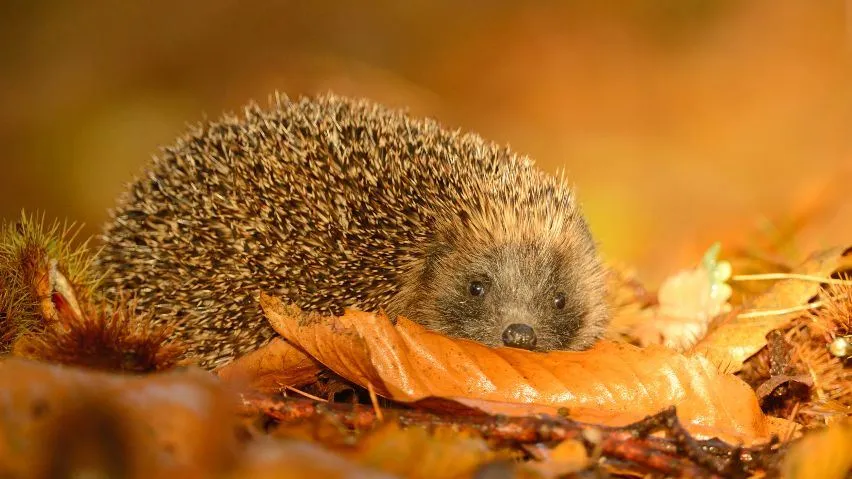
As the days get colder and the nights draw in, Hedgehogs will be looking for a cosy place to snuggle down for the coming winter. Sadly, to unsuspecting hogs, your bonfire pile might seem like the perfect 5-star hog-tel. Every year, wildlife rehabilitation centres care for Hedgehogs that have been rescued from the flames of bonfires, but many aren’t so lucky.
The good news is that it’s really simple to keep house-hunting Hedgehogs safe while still enjoying the warming glow of a fire this Bonfire Night. If you can, wait until the big day to build your bonfire so that Hedgehogs, and other wildlife like frogs and toads, don’t have time to move in before you light it.
If you’ve already built your bonfire, the safest way to check for any prickly residents is to move the material to a new patch of open ground. Preferably, this should be away from hedges, trees and other vegetation. If that’s not possible, don’t worry - you can carefully lift up sections of the pile using a broom handle and have a peek instead. Just remember not to use the pointy end of a fork or spade!

If you do come across a Hedgehog sheltering inside, use a pair of thick gloves to gently pick it up and relocate it to a safe, quiet area well away from the bonfire site. You could provide a ready-made Hedgehog house, like the ones on the RSPB shop, or build your own by following our handy guide.
When the time comes to light your bonfire, it’s best to start from one side rather than the middle. This gives any wildlife you might have missed time to escape.
Watching the glitter and glow of fireworks lighting up the sky is an autumn tradition for many of us. However, not everyone enjoys the loud bangs that accompany them - including wildlife. If you’re planning to hold a fireworks display, it’s really important to make sure you’re well away from sensitive areas.
For example, try to stay clear of nature reserves, trees, hedges and thick vegetation where birds, bats and other wildlife might be sheltering. The loud bangs and flashes of fireworks can spook wildlife and result in them hurting themselves, or using up the precious energy stores they need to see them through the winter.
Although most birds won’t be nesting in autumn, it’s also best to avoid setting off fireworks near nest boxes as some birds, including Wrens and Blue Tits, will roost in these during cold weather. In fact, one nestbox was found to contain more than 60 Wrens, all snuggled together for warmth!

In the run-up to Halloween, the chances are you’ll spot spooky-looking spider web decorations draped over garden hedges and dangling from doorways. Although they’re fake, these webs can catch real-life prey. That means birds and other wildlife are at risk of getting tangled in the fibres, so they’re best to avoid.
Instead, try hanging them inside your windows for an equally creepy display, without the risk to wildlife.

Each year, an estimated 10 million pumpkins are grown for Halloween in the UK, with most eventually ending up in landfill. However, throwing away your ghoulish gourd isn’t the only option.
Pumpkin is an incredibly versatile ingredient, so why not get creative in the kitchen? From warming autumnal soups and stews, to traditional pumpkin pies and even pumpkin spiced lattes, there are lots of tasty ways to devour your pumpkin’s innards. The BBC Good Food website has lots of recipes to try.
Many birds will also enjoy snacking on pumpkin seeds. Roast them in the oven to dry them out (without salt, spices or oil), then crush them into pieces to make them easier for smaller birds to eat. From 1 November, you can mix them with other seeds in hanging feeders. Read our Guide for more advice on feeding birds safely.

If you don't fancy gorging on gourd, the best place for your pumpkin is a compost heap. A healthy compost heap needs a mix of brown (carbon-rich) and green (nitrogen-rich) material to thrive. Brown materials include things like sticks and cardboard, while green materials include grass clippings and uncooked veggies just like your pumpkin!

Make sure to chop your pumpkin up small before adding it, as the key is to spread each layer of material thinly. If you don’t already have a compost heap, now’s the perfect time to create one by following our step-by-step guide. Not only will it provide you with lots of lovely homemade compost to help you grow veggies and flowers, it’s great for wildlife too!
Finally, it’s really important to keep your pumpkin out of the reach of hungry Hedgehogs, as eating it can give them an upset tummy. In hogs, this can lead to fatal dehydration.
If you’d like more ideas for how to help wildlife this autumn, try our Nature on Your Doorstep activities.