Advice

Your local plan: what is it and when can you get involved?

You can help wildlife by having your say in your area’s local plan. Learn about the process here.

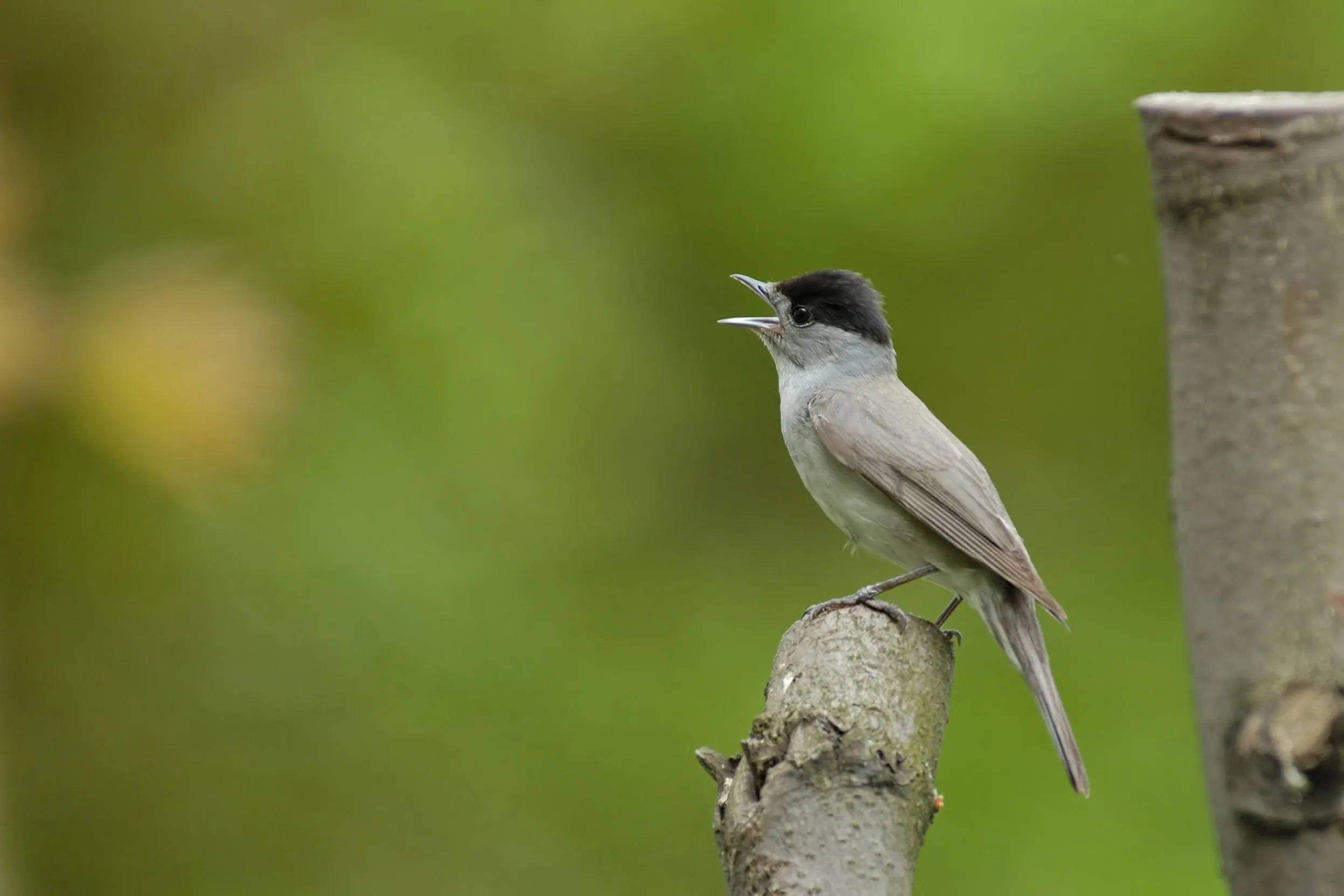
A lone Blackcap singing whilst perched on a tree stump.
On this page

Last updated: 2 July 2025

What is a local plan and why is it significant?

Every local planning authority (LPA) in England must produce a local plan for its area, containing policies and proposals regarding the development and use of land. This allows everyone to look ahead to the future, thinking about what their areas should be like and how planning decisions for development can help to achieve this. A local plan forms the main part of the statutory development plan that lies at the heart of the planning system.  

A local plan must apply the principles set out in the National Planning Policy Framework (NPPF) by having workable strategic and local planning policies for the area. It will also set out a vision and framework for the future development of an area over a period of 15 to 20 years from the date of adoption. 

Neighbourhood plans may provide local and more detailed planning policies for each parish within the local plan area, but neighbourhood plans are optional. 

Every LPA area must have a local plan that is up to date (or in the process of being adopted). The planning policies in the local plan must be considered in the determination of every planning application. 

Poppies
Top tip

It is important for you to engage in, and make representations as part of, the preparation of a local plan. This is your opportunity to have a say in the strategic policies that will guide development in your area and the local policies that set out the general requirements and characteristics of that development.

What is the process of preparing a local plan?

The programme and timetable for preparing a local plan should be set out by the LPA in a Local Development Scheme (LDS).  

The preparation of a local plan must follow, and the LDS should include, a number of evidence-gathering and consultation stages, leading to a formal examination by a planning inspector and the adoption of the final version of the plan when its planning policies come into effect. All local plans are subject to the stages required under the Town and Country Planning (Local Planning) (England) Regulations 2012 as listed below: 
 

  • Early-stage consultation (the Regulation 18 stage) – this is when the LPA consults on the issues and options regarding the development needs of the area which will inform the draft plan 

  • Pre-submission publication (Regulation 19) – at this stage, the public may comment on the preferred options for the final draft plan that the LPA intends to submit for examination 

  • Submission version and examination (Regulation 22) – at this stage, the final version of the plan is submitted to the Planning Inspectorate for examination. If necessary, the LPA may ask the inspector to recommend changes to the plan (known as ‘main modifications’) to address issues identified during the examination. These changes are then subject to public consultation 

  • Inspector’s report and adoption (Regulation 24) – the report will include any modifications made by the inspector as a result of the examination. The inspector will consider any consultation responses on the modifications before reaching their final conclusions.  


At the beginning of the preparation process and any time during it, the LPA may also publish ‘issues and options’ reports for consultation. These reports will include a range of planning issues and proposed options for the future development of an area. Therefore, in practice there may be several interim drafts of the local plan and consultations on those drafts. 

The NPPF requires policies in local plans to be reviewed at least once every five years to assess whether they need updating. If the review concludes that policies need updating, the LPA will prepare an updated local plan, which will replace the previous version.  
When can the public get involved?

Public representations (views either objecting to, commenting on or supporting the proposed local plan) may be made during the consultation period at every stage of the process and on any additional issues and options consultations. When making representations, it is important to understand what stage the plan is at and how it has evolved from earlier stages. While the LPA must record all consultation responses, comments on parts of the plan that have already been settled at a previous stage are unlikely to have much influence.  

What happens at the examination?

A key stage of the process is the examination of the plan, which is held by an independent planning inspector appointed by the Government’s Planning Inspectorate. The purpose of the examination is to test the ‘soundness’ of the plan, and to ensure that it has been properly prepared in accordance with legal and procedural requirements.  

The four tests of soundness are set out in paragraph 36 of the NPPF and require a local plan to be:  
 

  • Positively prepared – providing a strategy that meets the area’s identified needs 

  • Justified – a strategy that has considered reasonable alternatives and is based on evidence.

  • Effective – deliverable over the plan period, and based on joint working with neighbouring authorities on key cross-boundary matters.

  • Consistent with national policy – delivering sustainable development in accordance with the NPPF and other national planning policy.


The inspector considers the plan against these tests on a topic-by-topic basis with input from interested parties, the LPA and various other stakeholders via written representations and in-person or virtual hearing sessions.  

The right to appear at an examination and be heard by the inspector is limited to those people who: 
 

  • Made comments during the final consultation of the draft plan (the Regulation 19 stage) that the LPA subsequently submitted for examination, and 

  • Those comments asked for a change to be made to the plan eg, an objection to the submitted plan. 
     

However, anyone is welcome to attend an examination to listen to the proceedings even if they are not taking part. 

Top tip

If you would like to take part in the examination, make sure that you submit comments on the final version of a local plan (the Regulation 19 stage) even if you have already made comments at an earlier consultation stage.

If you don’t, you do not have a legal right to take part in the examination. 

The Government has produced this short guide for those who might be participating in a local plan examination for the first time. 

What happens if the plan is not adopted?

If the inspector identifies any fundamental issues with the plan, they may recommend that it is not adopted by the LPA. The LPA will then decide whether to withdraw their plan and prepare a new one for submission. If this happens, any existing local plan policies will remain in force while a new plan is being prepared, which may result in such policies becoming increasingly out of date. 

How are environmental impacts assessed?

During its preparation, a local plan must go through a Sustainability Appraisal process. The process is designed to ensure that any environmental, economic and social impacts of the policies and proposals are identified and mitigated. A local plan Sustainability Appraisal will also incorporate the requirement to undertake a Strategic Environmental Assessment (SEA). The Sustainability Appraisal must be integrated with each stage of the plan-making process and published for consultation at each stage.  

A local plan may also require a Habitats Regulations Assessment (HRA), as set out in the Conservation of Habitats and Species Regulations 2017 if it’s considered likely to have significant effects on internationally important wildlife sites (Special Protection Areas, Special Areas for Conservation or Ramsar sites). The sustainability appraisal should take account of the findings of a HRA, if one is carried out.

Adult and juvenile Little Owl snuggled on a branch.
Juvenile Little Owls
Top tip

Examine the Sustainability Appraisal and Habitats Regulations Assessment (where there is one) for your draft local plan. Make sure the plan properly identifies and mitigates all impacts from any new development proposals on the important sites for wildlife that you know about in your area. 

How can I get involved?

All local plan documents will be published on the planning policy pages of the LPA website so you can view them and make comments online. Paper copies of local plan documents should also be available for inspection on request at the LPA’s offices.  

The LPA may also carry out public exhibitions as part of the consultation, usually held in community venues such as village halls, to inform the local community of the local plan proposals and ask for their views.  

A closeup of a Wild Rose, or Dog Rose bush.
Wild Rose
Top tip

Check the LPA’s local plan timetable (LDS) on the planning policy pages of their website to keep track of how your local plan is progressing. You may be able to sign up to receive email reminders about local plan consultations and there should also be notifications in local community newsletters if you don’t have access to email.  

If you’re unsure about how or when to get involved, contact the Planning Policy team at your LPA for advice. Find your LPA here.