Advice
Feeding birds near you
If you want to attract birds to your garden, you’ve come to the right place.
Find out more about using local radio and TV to spread the word and promote your campaign.

You're campaigning to protect nature in your local area and you're well underway with your action plan, but can you do more? This guide will explain how you can use the local media to build support for your cause.
If you’re looking for advice on getting a planning campaign started, head to our How to set up your own campaign to protect nature from a development threat guide.
If you choose to highlight an issue through local media, make sure you can talk confidently about the campaign. Planning a series of media activities and gaining regular coverage across different types of media will give your campaign prominence, but only if you can convince people to take up the story in the first place.
Where possible, it’s best to emphasise positive messages, such as what will be saved, rather than focusing on the negatives, such as what will be lost, as knowing that they can make a positive difference appeals much more to people.
Local radio can be an easy way to reach large numbers of people in your area. A direct approach is usually best, with a phone call or email to whoever controls the radio station’s news desk, supported by a concise statement of the facts or a press release.
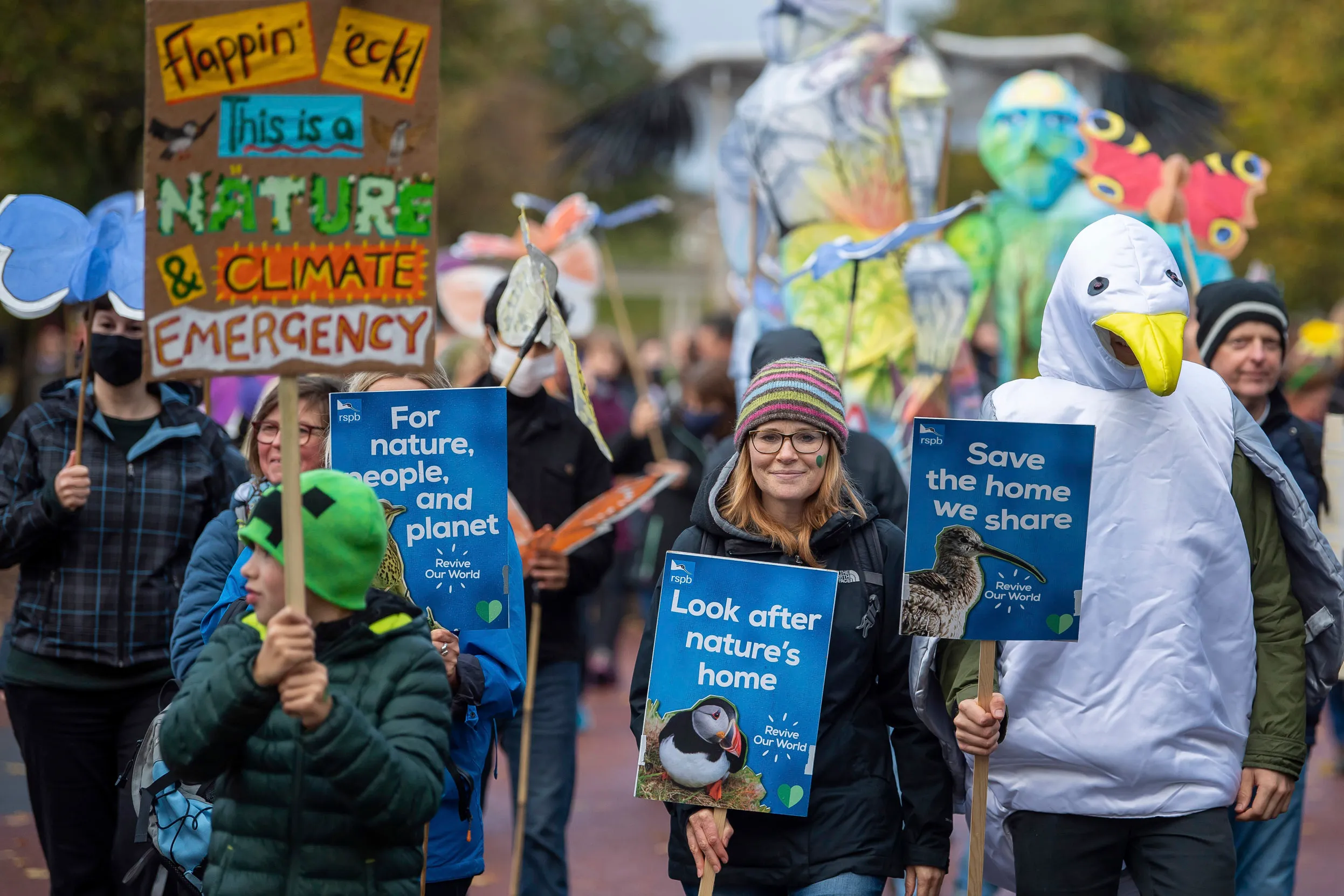
TV requires good visual images or some activity element to your story, so the more you have to offer the programme, the more likely it is to feature you. It also requires more time and people to compile a report compared with radio or newspapers, so ensure you dedicate enough time to meet producers’ requirements.

It’s likely that your campaign will take various twists and turns. The more angles or interesting developments to a story, the more likely a journalist will give you ongoing publicity.
Try to break down your story into bite‐size chunks, rather than giving everything in one go. For instance, you could report on: