
Could England's east coast wetlands be a new World Heritage site?
Wetlands along the east coast of England, from the Humber to the Thames, have successfully been added to the UK’s Tentative List of World Heritage sites.
World Wetlands Day takes place on 2 February. Here’s why wetlands are important.
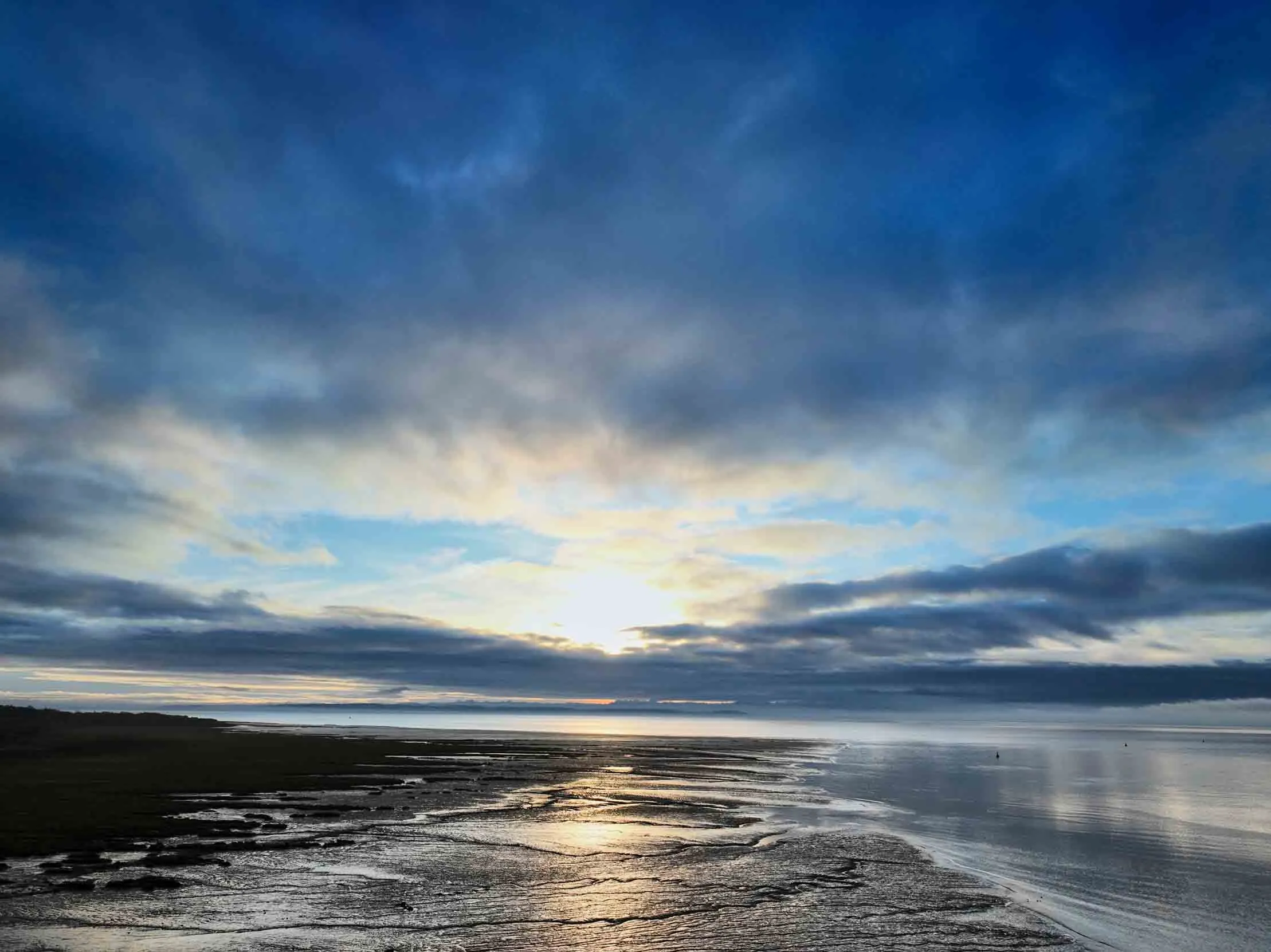
They’re areas that are wet for some, or all, of the time. It includes inland wetlands such as ponds, marshes, lakes, rivers, floodplains, peatlands and swamps; and coastal wetlands such as saltmarshes, mudflats, mangroves and lagoons.They’re areas that are wet for some, or all, of the time. It includes inland wetlands such as ponds, marshes, lakes, rivers, floodplains, peatlands and swamps; and coastal wetlands such as saltmarshes, mudflats, mangroves and lagoons.


It takes place on 2 February, and it’s a day when we all come together to celebrate our wonderful wetlands. Globally, 90% of them have been degraded in some way since the 1700s, and we’re losing wetlands faster than forests. But wetlands are incredibly important! That’s why the UN initiated World Wetlands Day – not just to celebrate the wonder of wetlands, but also to draw attention to the fact they’re under threat.
Wetlands act as vital service stations for migratory birds. They offer food stops for fuelling before and during migration, resting places en route, places to breed, and safe places to spend the winter. The UK’s wetland network forms the perfect ‘service station’ for birds using the migratory bird motorway from the Arctic to South Africa, known as the East Atlantic Flyway. We work with partners to protect wetlands all along the flyway.
England's east coast wetlands are a network of wetlands from the Humber to the Thames. The shorelines are teeming with food such as shellfish, and the marshes offer valuable roosting sites.
Each winter, more than a million birds visit the area, including four species in internationally important numbers: the Bar-tailed Godwit, Knot, Black-tailed Godwit and the Dark-bellied Brent Goose.
Wetlands along the east coast of England, from the Humber to the Thames, have successfully been added to the UK’s Tentative List of World Heritage sites.
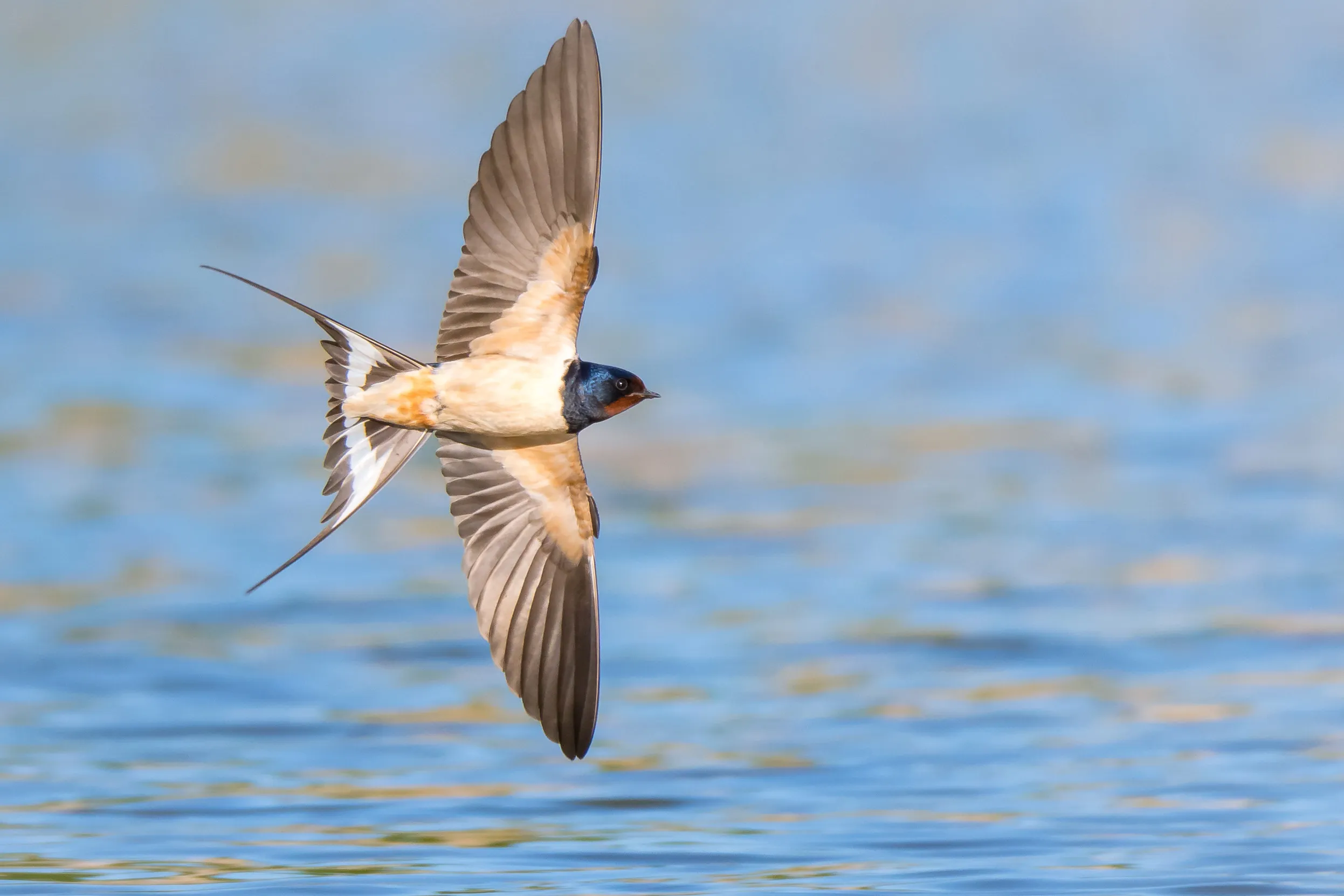
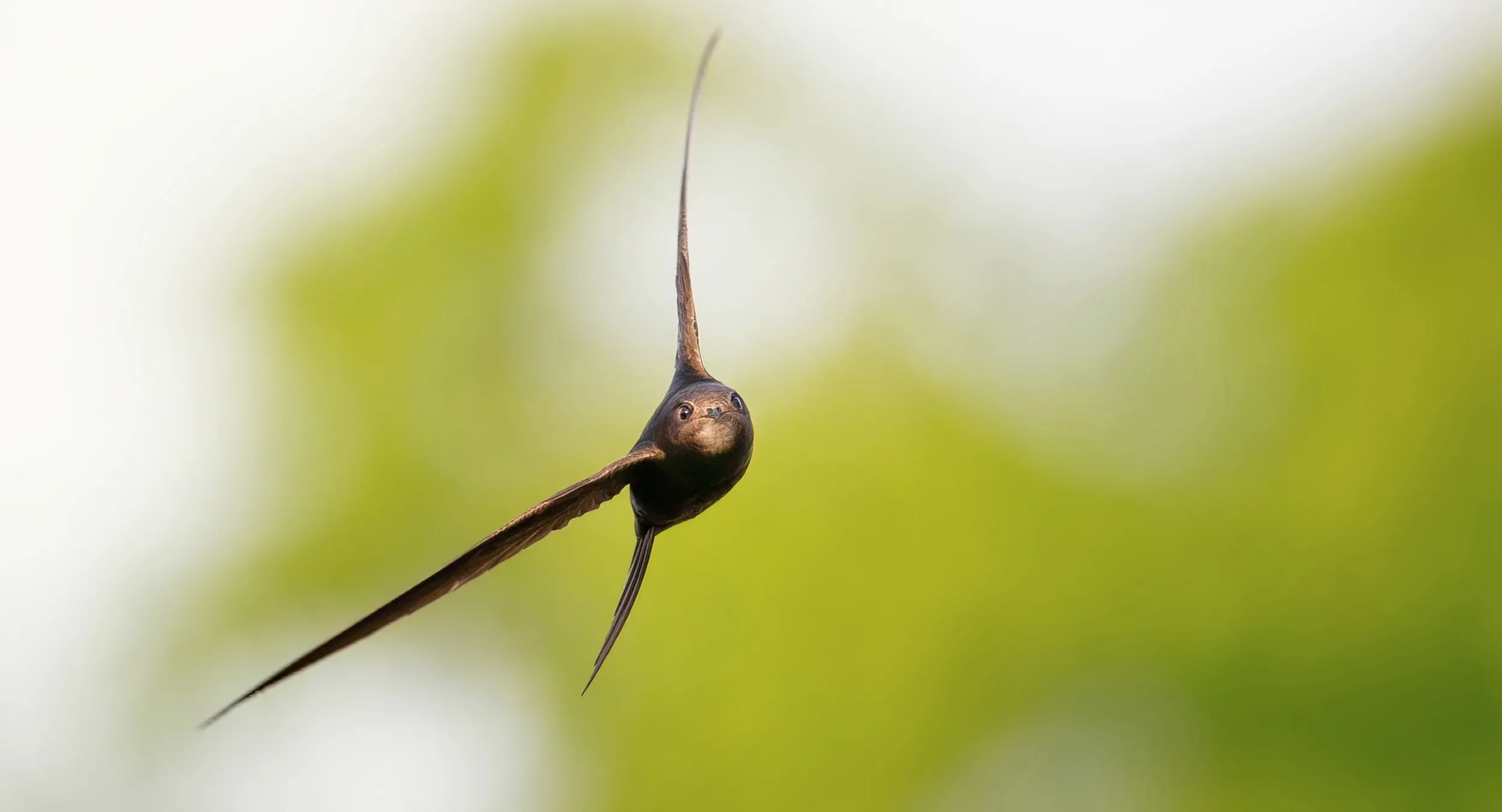
In summer, wetlands are teeming with life as they offer everything a breeding bird might need – sources of food and places to nest close by. Look out for migratory warblers, terns and Ospreys in summer, taking advantage of the conditions. Other migratory birds, such as Swifts and Swallows, use our wetlands too, as they’re often a great place to forage for insects.
.jpg)
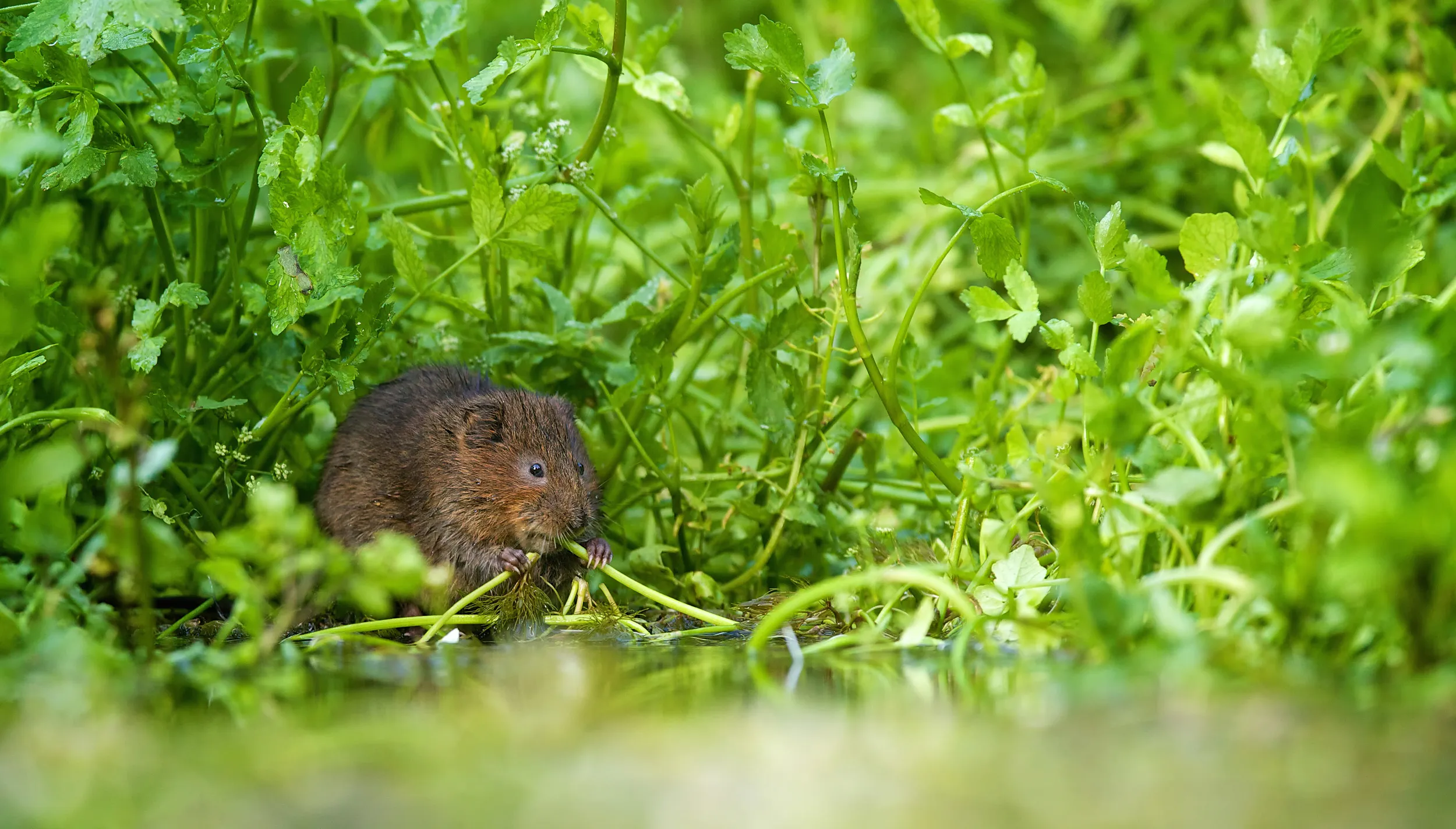
Though they cover just 6% of the earth’s land surface, wetlands provide a home for a staggering 40% of all plant and animal species: not just birds. They’re places where you’ll find amphibians such as frogs and toads, reptiles, fish, insects, and mammals such as Water Voles.


Wetlands aren’t just great for wildlife. We also benefit as they’re key to mitigating the effects of climate change. They can lock away huge amounts of carbon, and they’re useful as a defence against flooding, which is becoming increasingly frequent. They can help slow down water during heavy rainfall, and retain large amounts of water, which would otherwise cause flooding.
Wetlands in coastal areas are particularly useful as they can absorb energy from waves, therefore reducing their size and power.
.jpg)
Some of the UK’s best wildlife spectacles are on our wetlands – so don’t miss out! Head to Snettisham in Norfolk for the incredible ‘wader spectacular’ – on spring high tides from late summer through to early spring, the sight of tens of thousands of birds taking to the skies is one that can’t be missed.
Lochwinnoch, near Glasgow has a network of boardwalks for views of Whooper Swans, Wigeon, Goldeneye and a wide variety of other ducks during the winter months. In spring you won't want to miss the elaborate displays of Great Crested Grebes.
Belfast WOW is a great location for your next urban wildlife encounter, with one of the last remaining mudflats of the many that once surrounded Belfast Lough.
And at Newport Wetlands in Gwent, you have the chance to see reedbeds, lagoons, wet grasslands, and wild estuary mudflats. They’re all perfect feeding grounds for wading birds and duck and geese.


How a floating digger makes a wetland better for wildlife and people.

Imagine a nature reserve alive with the sound of Lapwings, Redshanks, Oystercatchers and Skylarks singing and calling. If you’re there in April, then you could add the barking calls of thousands of Barnacle Geese. And you might even end your day listening to the night-time calls of Natterjack Toads!
This is RSPB Mersehead, a bustling wetland nature reserve on the Solway Coast in Scotland. The rich variety of habitats, including sand dunes, grassland, salt marsh and intertidal sand and mudflats, makes it a magnet for many species, from year-round residents to those flying in from far-flung places. It’s a vital hub in a network of sites that extends the length of the East Atlantic Flyway.
The team has much to be proud of this World Wetlands Day. “This year we’ve had a really successful year for Lapwings, explains Site Manager Colin Bartholomew. “Out of 44 pairs of Lapwings, 88 chicks fledged. Back in 2012, we were down to just nine pairs of Lapwings.”

Regular favourites are the Barnacle Geese. These geese are a distinct population that breed in Svalbard in the Arctic Circle, choosing to winter only in the Solway Firth. “In 2021–22 avian flu hit us big time,” Colin recalls. “Out of a population of 44,000 birds, only 26,000 returned to their breeding grounds. So, it was devastating. But the highlight is that they’ve jumped back to over 40,000 birds again.” Despite this turnaround, avian flu remains a threat, and the reserves team are continuing to closely monitor the birds.

These hard-won successes are testament to the reserve team’s careful management of the site. This includes grazing cattle to provide the differing densities of vegetation that suit different species; hydrological management to manage the water levels; and a predator exclusion fence to protect ground-nesting birds in part of the nature reserve.
The mosaic of wetland habitats at Mersehead are serving the wildlife well, and there could be even more highlights over the coming months.
When the RSPB began managing the site in 1993, experts suggested that it could support breeding Marsh Harriers. These large birds of prey became extinct in Britain in the 19th century through persecution, but they are slowly recovering and spreading from their stronghold in East Anglia.
“In 2024, we had our first Marsh Harrier pair successfully breed and we had two chicks fledge. The adults came back again this year, but they didn’t breed. We think it was because it was a very dry spring and early summer, but we’re hoping they will come back,” says Colin with a smile.
